Ukrainian Artists
Painters, sculptors, and visual artists who shaped Ukrainian art across centuries.
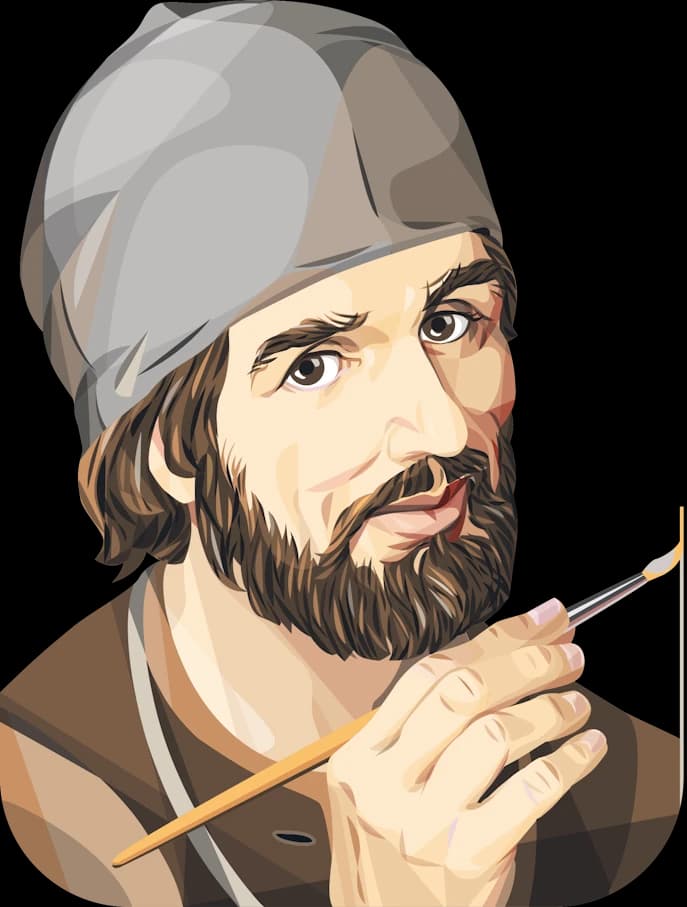
Ivan Rutkovych
1650–1708
Leading Ukrainian Baroque icon painter and founder of the Zhovkva school; master of luminous colour, famous for the 1697–99 Skvariava Nova iconostasis.
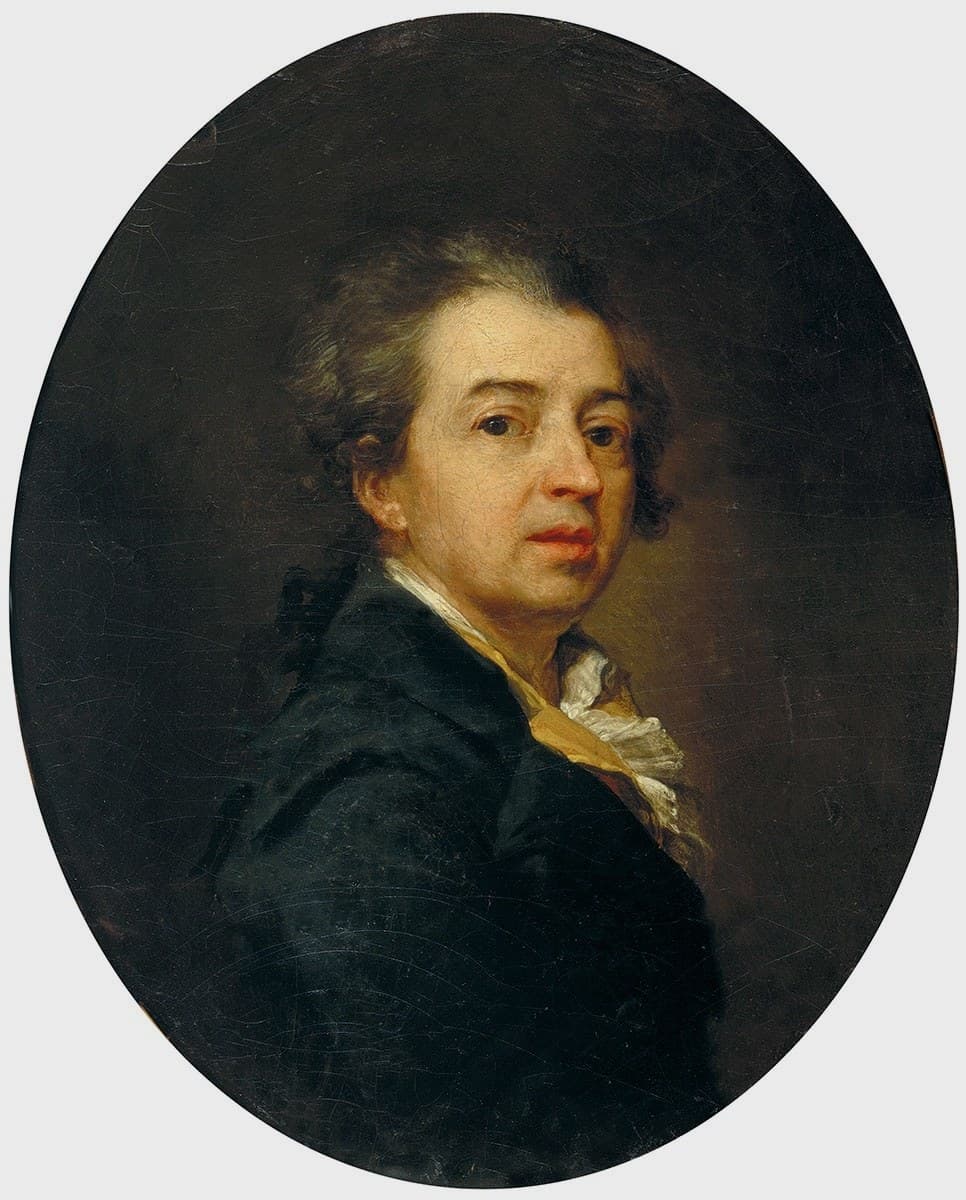
Yov Kondzelevych
1667–1740
Ukrainian Baroque icon painter and monastic elder; brought heightened realism and landscape to Eastern iconography. Masterwork: the Bohorodchany (Manyava) Iconostasis (1698–1705).
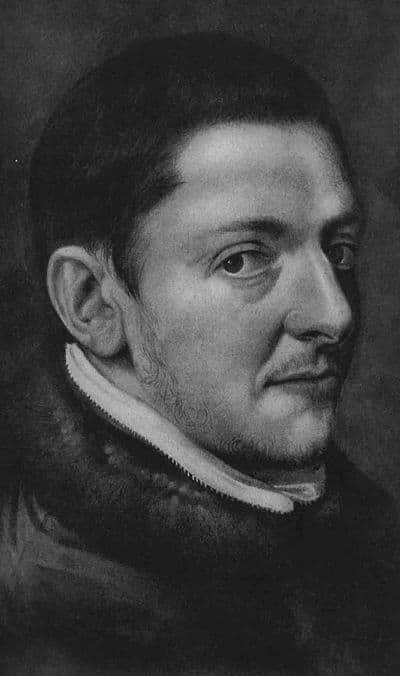
Dmytro Levytskyi
1735–1822
A leading portraitist of the 18th century, born in Kyiv and trained by his father, the engraver-priest Hryhorii Levytsky. Famous for his Smolnyi Institute portrait series, he became one of the most celebrated portrait painters of his era.
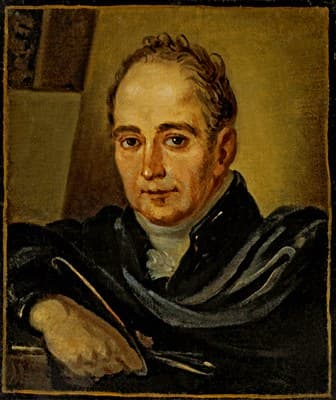
Anton Losenko
1737–1773
Born in Hlukhiv in the Cossack Hetmanate and taken young to the St. Petersburg court choir, Losenko became a pioneer of neoclassical history painting, known for monumental canvases from antiquity and Kyivan Rus.
Volodymyr Borovykovskyi
1757–1825
Born in Myrhorod into a Cossack family of icon painters, Borovikovskyi worked in Ukraine into his thirties before moving to St. Petersburg, where he became the foremost portraitist of the Sentimentalist era.
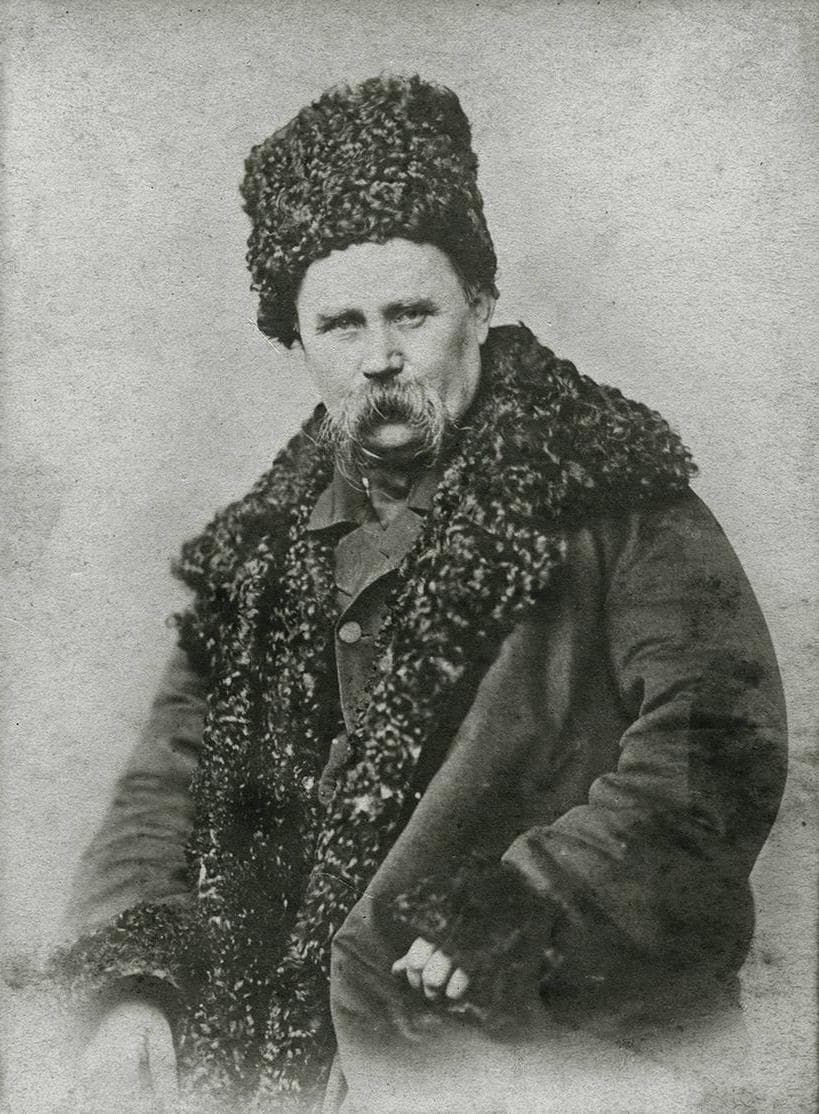
Taras Shevchenko
1814–1861
Born a serf and freed in 1838, Shevchenko is regarded as the father of Ukrainian fine art: a Romantic-Realist painter and pioneering etcher (Academician of engraving, 1860), turning his art to Ukrainian life and social injustice.
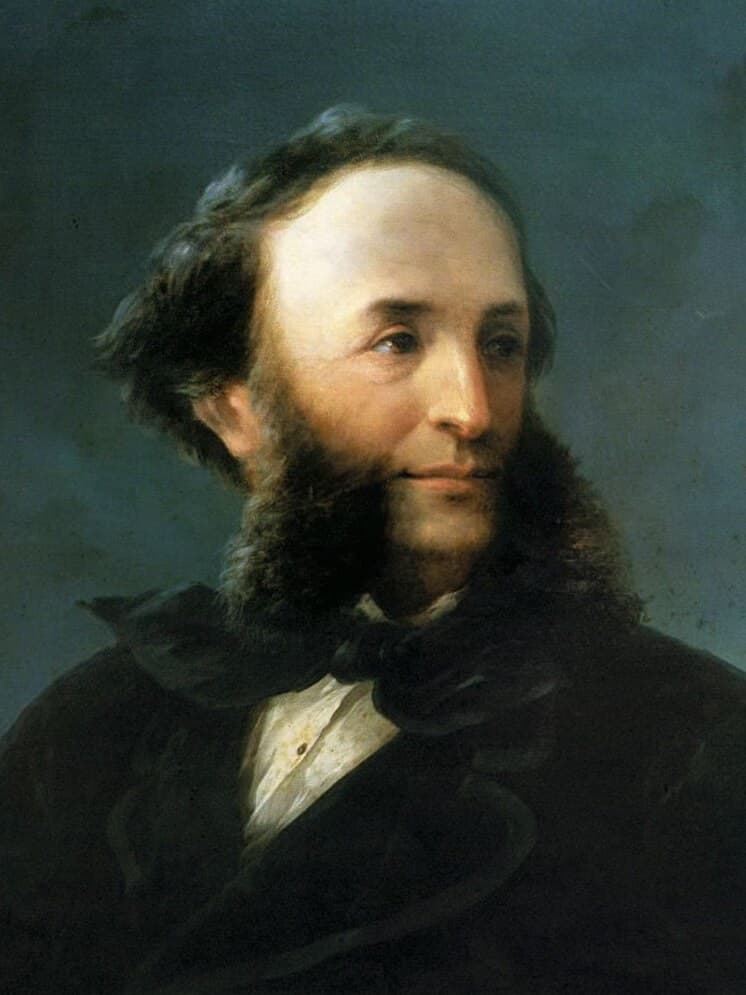
Ivan Aivazovskyi
1817–1900
Armenian marine painter of Crimea, among the greatest seascape masters of the 19th century.
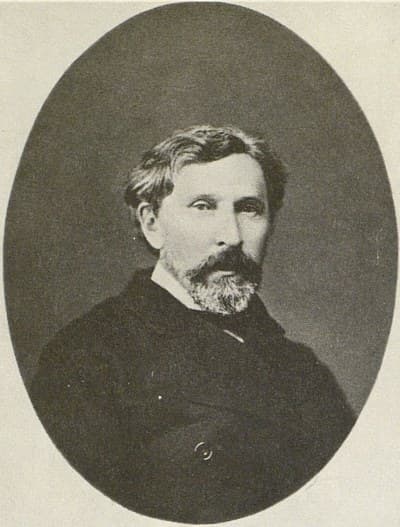
Kostiantyn Trutovskyi
1826–1893
Early master of Ukrainian genre painting devoted to the Ukrainian peasantry; influenced Pymonenko, Vasylkivskyi and Slastion.
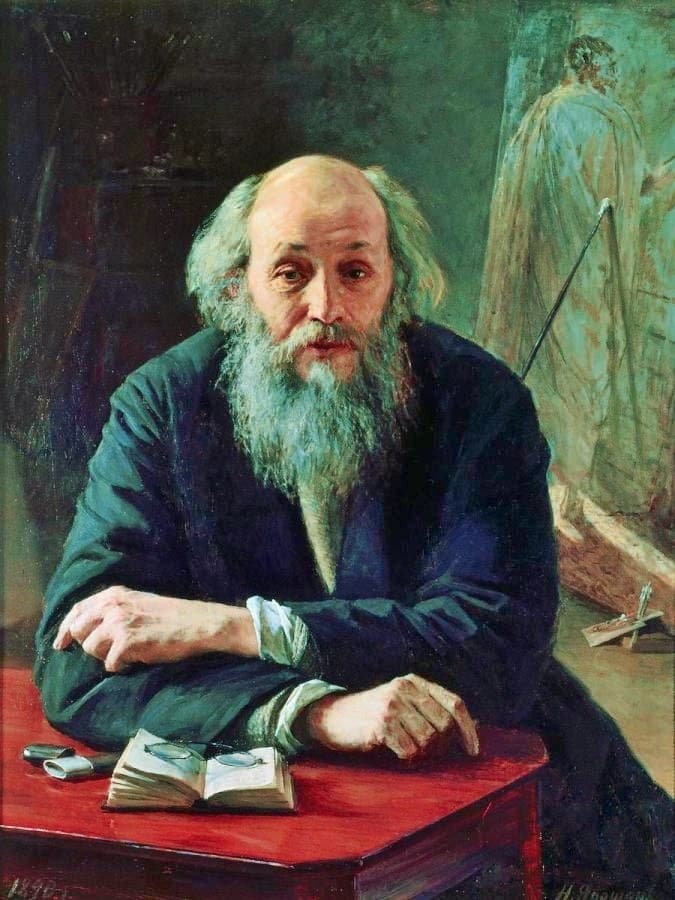
Mykola Ge
1831–1894
Mykola Ge (1831-1894) was a painter of Franco-Ukrainian descent, a leading figure of the Peredvizhniki generation and a radical reinterpreter of biblical subjects. From 1876 until his death he lived on the khutir Ivanivskyi in Chernihiv gubernia, where he painted Ukrainian landscapes and peasants alongside his late Passion cycle.
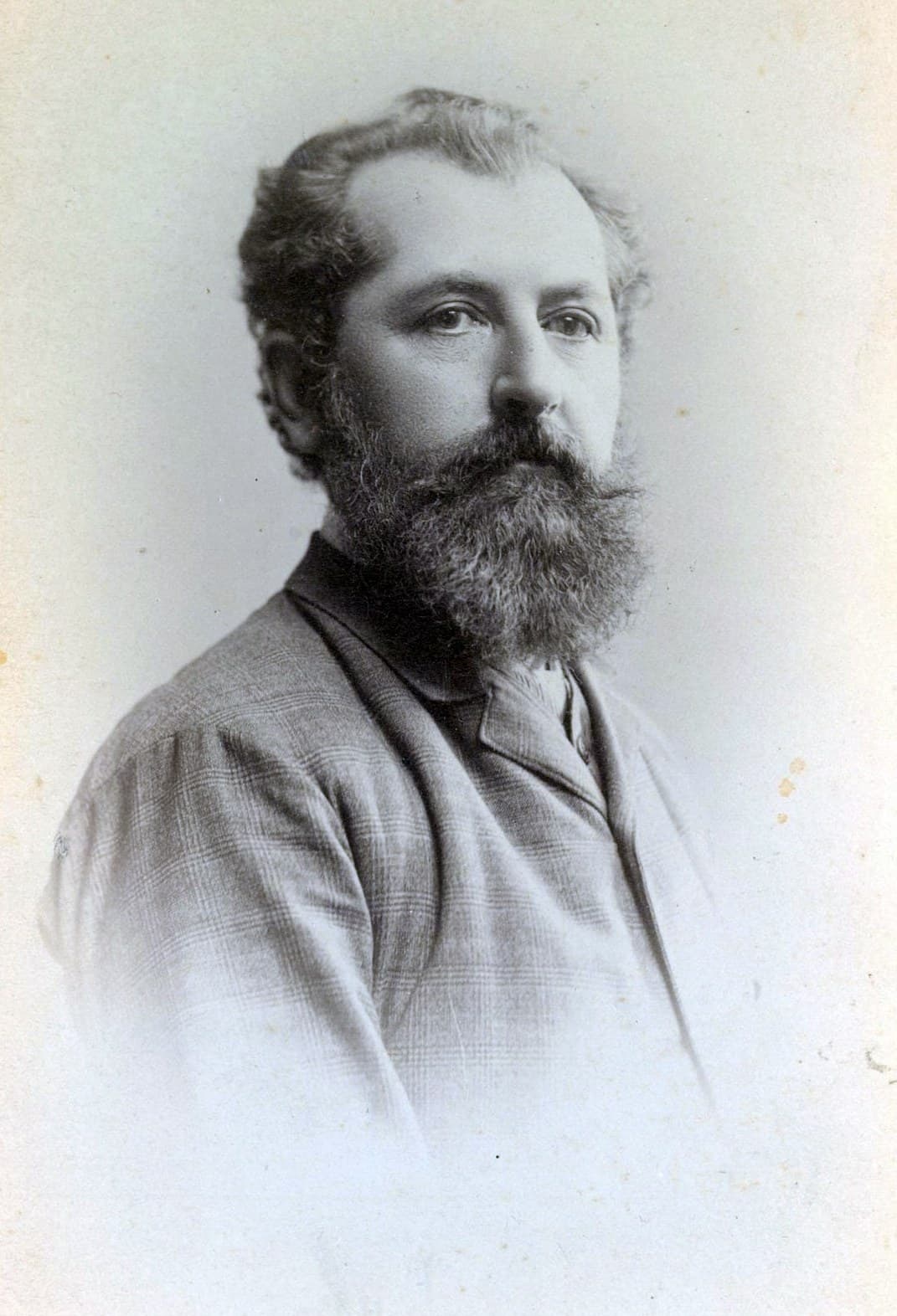
Kornylo Ustyianovych
1839–1903
A Galician Ukrainian painter, iconographer and writer, Vienna Academy-trained, who became a leading figure of 19th-century Western Ukrainian historical painting drawing on Cossack themes and Carpathian folk life.
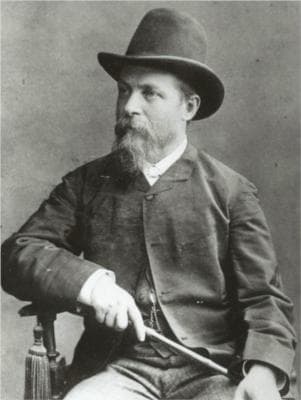
Volodymyr Orlovskyi
1842–1914
Volodymyr Orlovskyi was one of the most outstanding landscape painters of the second half of the 19th century. His contemporaries called him “a star of the first magnitude on a par with Aivazovskyi,” “a seeker of sunlight,” and “an incomparable celebrator of southern nature.”
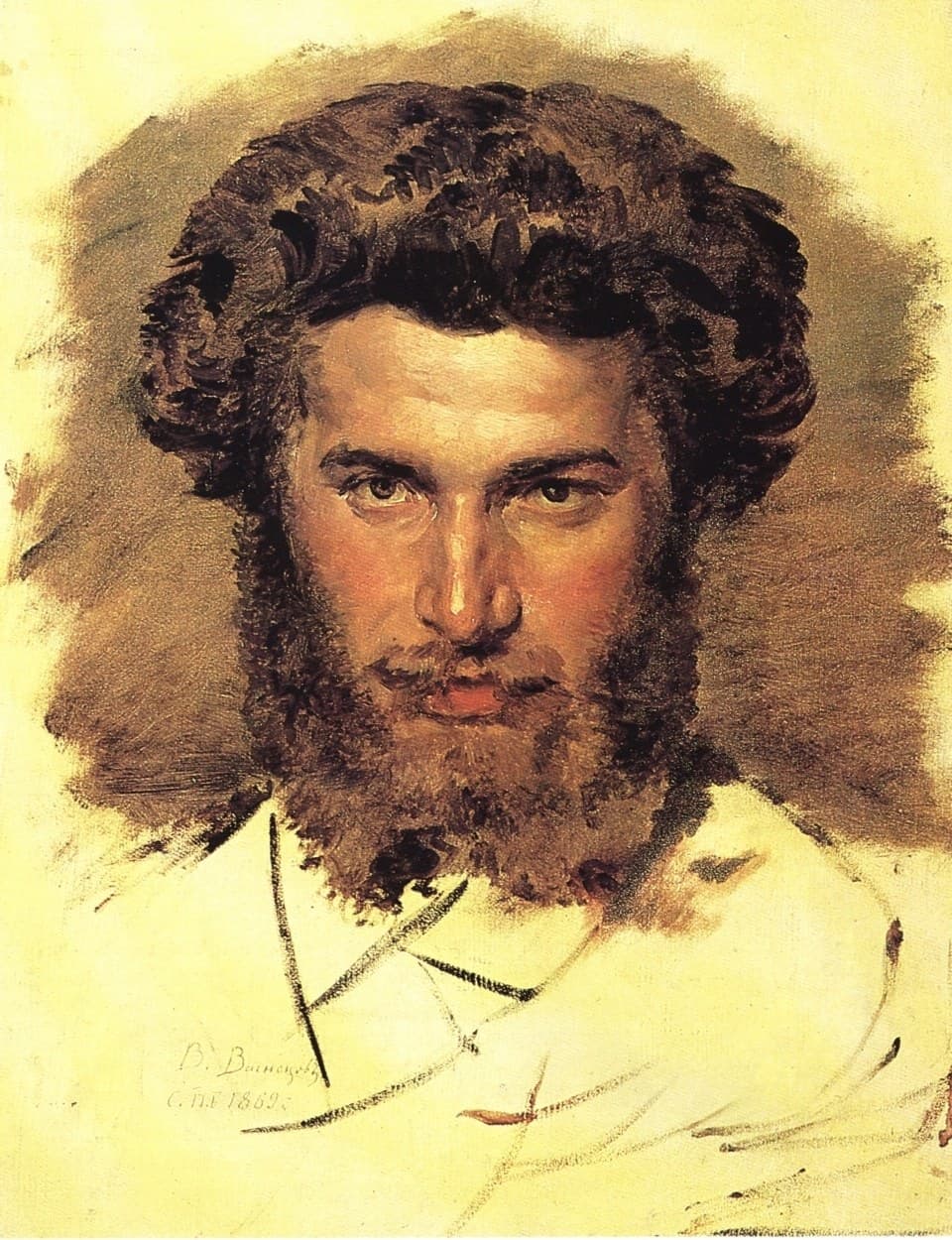
Arkhyp Kuindzhi
1842–1910
Greek-Ukrainian landscape painter famous for dramatic light effects (Moonlit Night on the Dnipro).
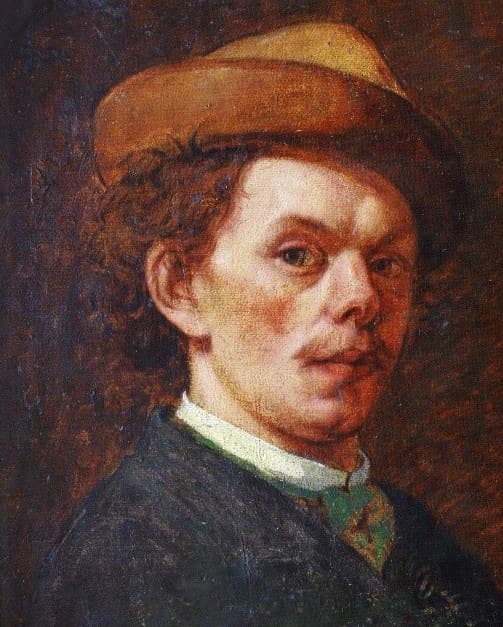
Teofil Kopystynskyi
1844–1916
A Galician Ukrainian painter, portraitist and church-art restorer trained in Cracow and Vienna, who spent his career in Lviv painting iconostases, portraits of Ukrainian historical figures and ethnographic scenes.
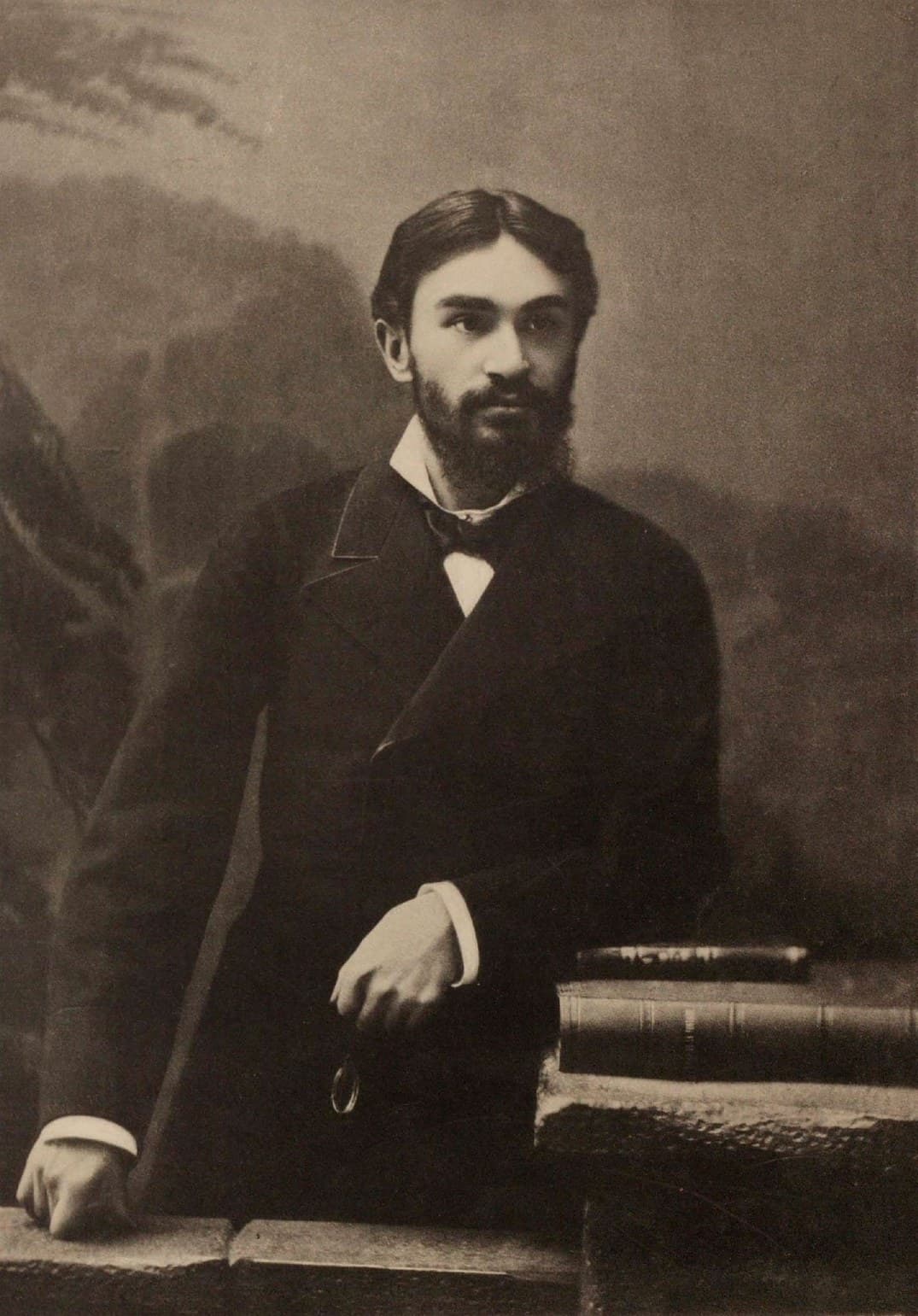
Mykola Murashko
1844–1909
A Ukrainian painter, art teacher and critic who founded the influential Kyiv Drawing School in 1875 and directed it until 1901. A friend of Repin, his own painting focused on realist landscapes, especially views of the Dnipro.
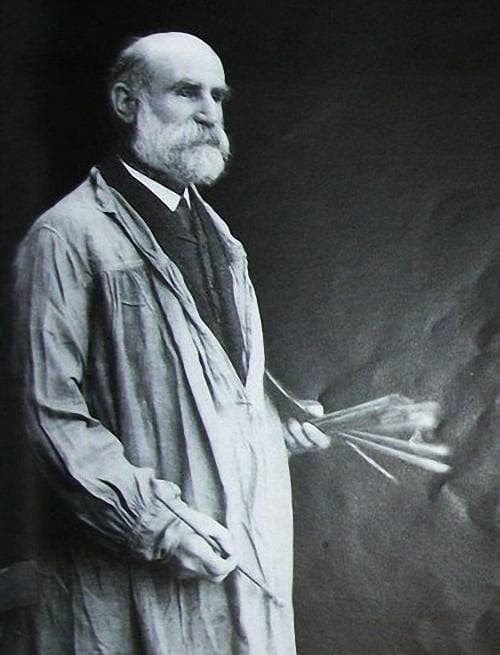
Kyriak Kostandi
1852–1921
Greek-Ukrainian leader of the Odesa school; president of the Society of South Russian Artists and director of the Odesa City Museum; admired for luminous handling of sunlight.
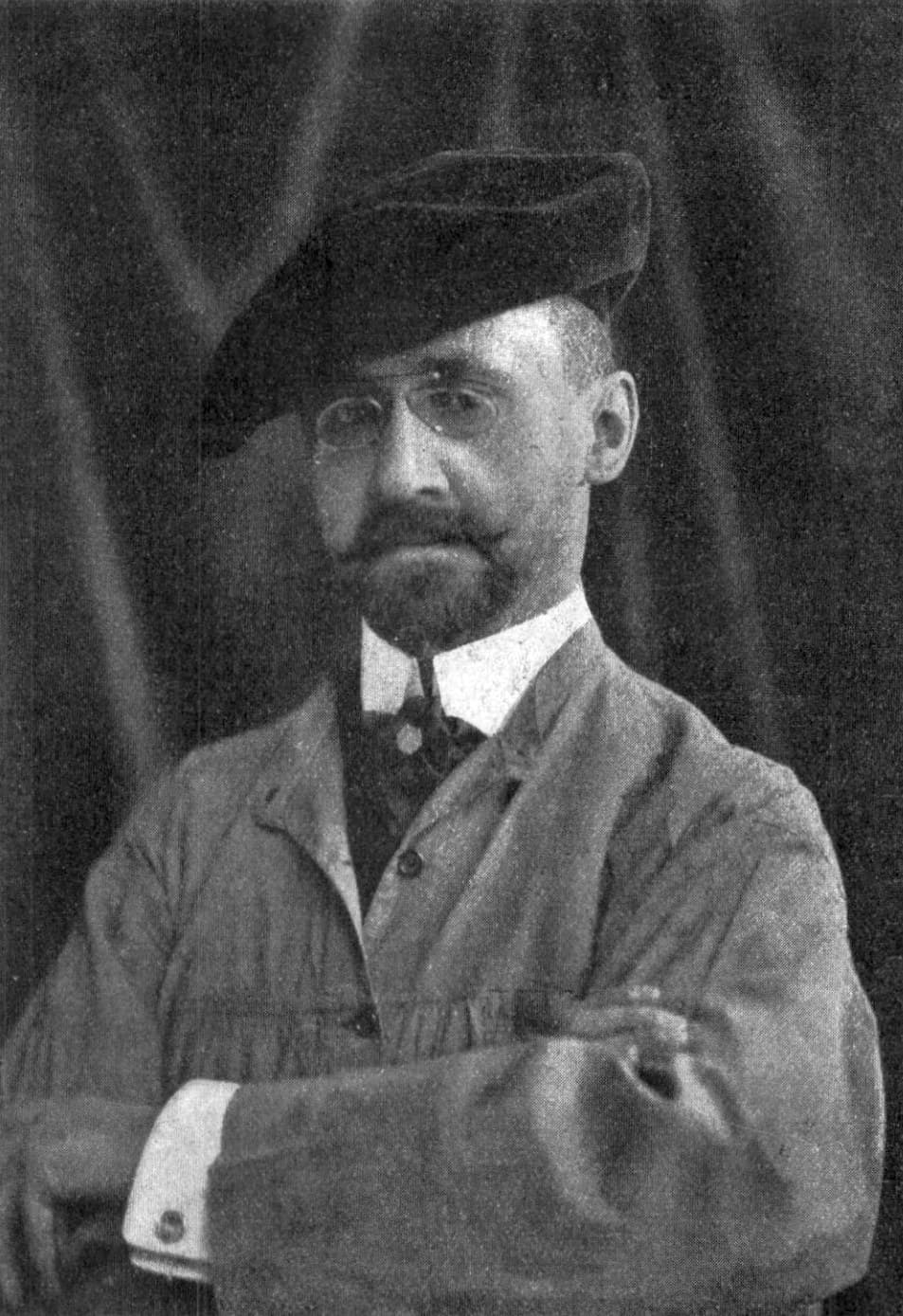
Yosyp Krachkovskyi
1854–1914
Yosyp (Iosif) Krachkovskyi was a landscape painter of Polish descent, born in Warsaw and trained at the Imperial Academy of Arts in St Petersburg, where he spent his career. He is best known for luminous Crimean landscapes and flowering-garden scenes, and for a group of Ukrainian subjects including 'Ukrainian Evening' (1889).
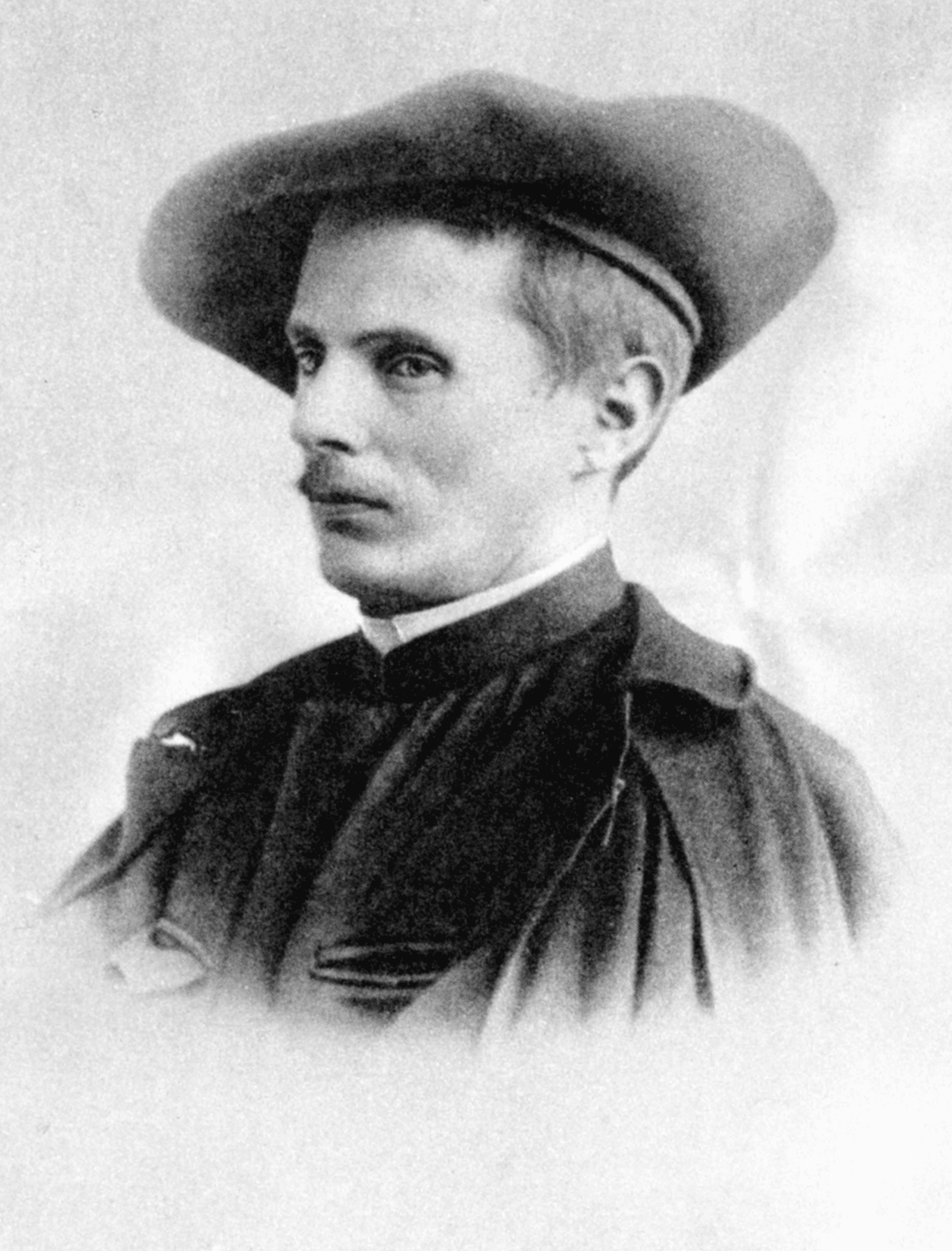
Serhii Vasylkivskyi
1854–1917
Prolific Kharkiv landscape, genre and history painter and authority on Ukrainian folk ornament; left ~3,000 works and donated ~1,500 to the Kharkiv Art Museum.
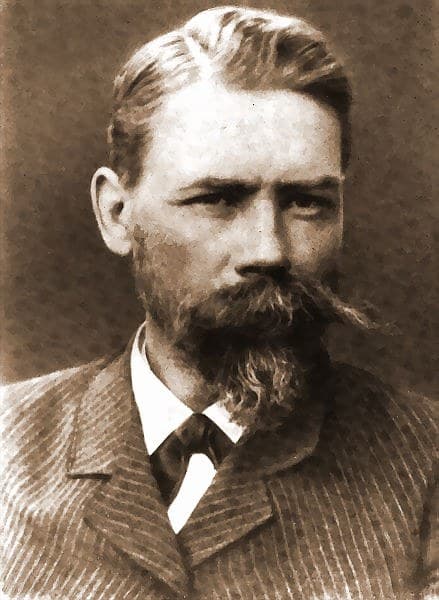
Opanas Slastion
1855–1933
Painter, graphic artist, ethnographer; first illustrator of Shevchenko's 'Haidamaky', documented Ukrainian kobzars, and a pioneer of Ukrainian Art Nouveau.
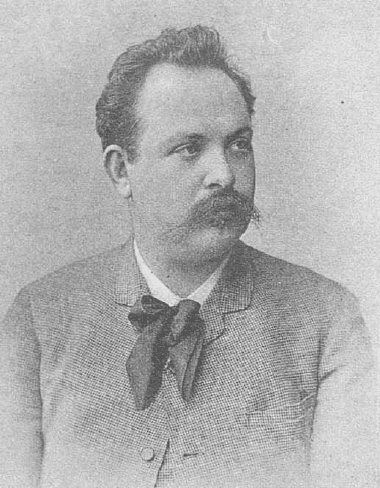
Mykola Serheiev
1855–1919
Mykola Serheiev was a landscape painter born in Kharkiv in 1855 who built his career in St Petersburg and died of typhus back in Kharkiv in 1919. Although catalogued almost everywhere as a Russian painter, his subjects were overwhelmingly Ukrainian: orchards, village gardens, the Dnipro and the Kharkiv-region countryside.
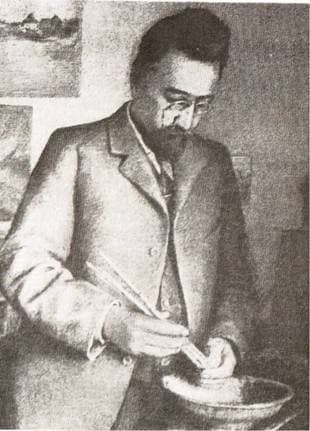
Petro Levchenko
1856–1917
Kharkiv landscape painter of intimate, lyrical Ukrainian villages and courtyards in increasingly impressionist colour; ~800 landscapes.
Serhii Svitoslavskyi
1857–1931
Serhii Ivanovych Svitoslavskyi (October 6, 1857, Kyiv – September 19, 1931, Kyiv) was an outstanding Ukrainian landscape painter and a master of color. He was a member of the Peredvizhniki Society from 1891 to 1900. He was born into a noble family. In 1870, he enrolled in the Moscow School of Painting, Sculpture, and Architecture, where he studied until 1882 under Alexei Savrasov, Vasily Perov, Evgraf Sorokin, Ilarion Pryanishnikov, and Vasily Polenov. He began exhibiting in 1884 at exhibitions organized by the Society for Itinerant Art Exhibitions. In his later work, most of his paintings were dedicated to the nature of Ukraine, views of the Dnipro River, and Kyiv. He created landscapes featuring genre and animalistic scenes. In 1900, he was awarded a bronze medal at the World’s Fair in Paris for his painting “The Courtyard.”
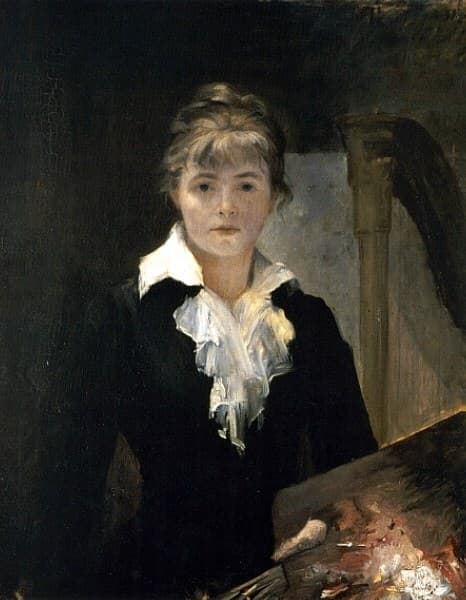
Mariia Bashkirtseva
1858–1884
Mariia Bashkirtseva was a painter, sculptor and diarist born in the village of Havrontsi in Ukraine's Poltava region, who became one of the most talked-about young artists of 1880s Paris. Trained at the Académie Julian and shaped by the naturalism of Jules Bastien-Lepage, she won a Salon gold medal in 1879 and died of tuberculosis at 25. Her early works are today divided between the State Russian Museum and Ukrainian collections in Dnipro and Kharkiv.
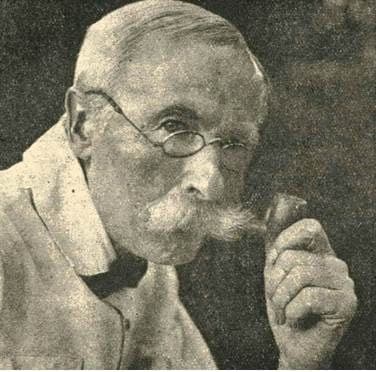
Mykola Samokysh
1860–1944
A prolific Ukrainian battle and equine painter of Cossack descent who produced over 10,000 works. In the Soviet period he devoted much of his art to dramatic canvases of the Khmelnytskyi era.
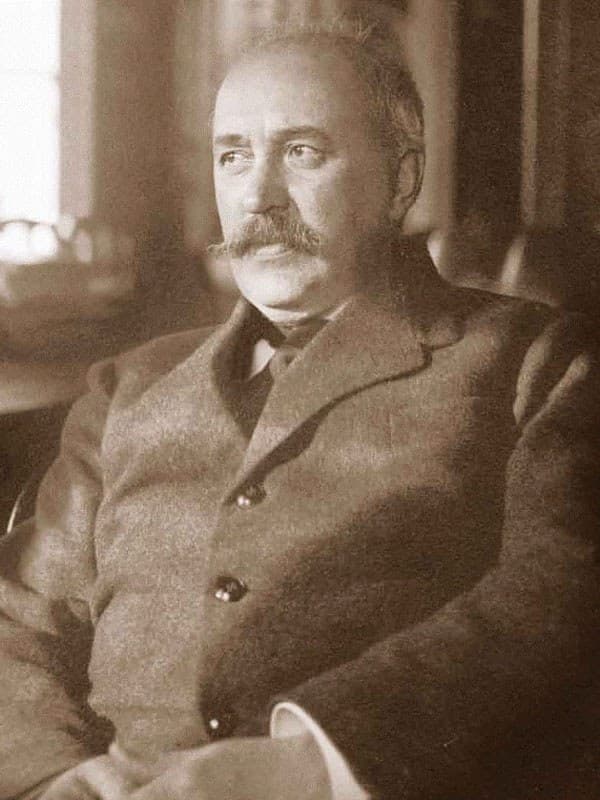
Mykhailo Berkos
1861–1919
A Ukrainian landscape painter trained in Odesa and at the Imperial Academy, who settled near Kharkiv painting impressionist-influenced Ukrainian landscapes and helped found the Kharkiv Art College.
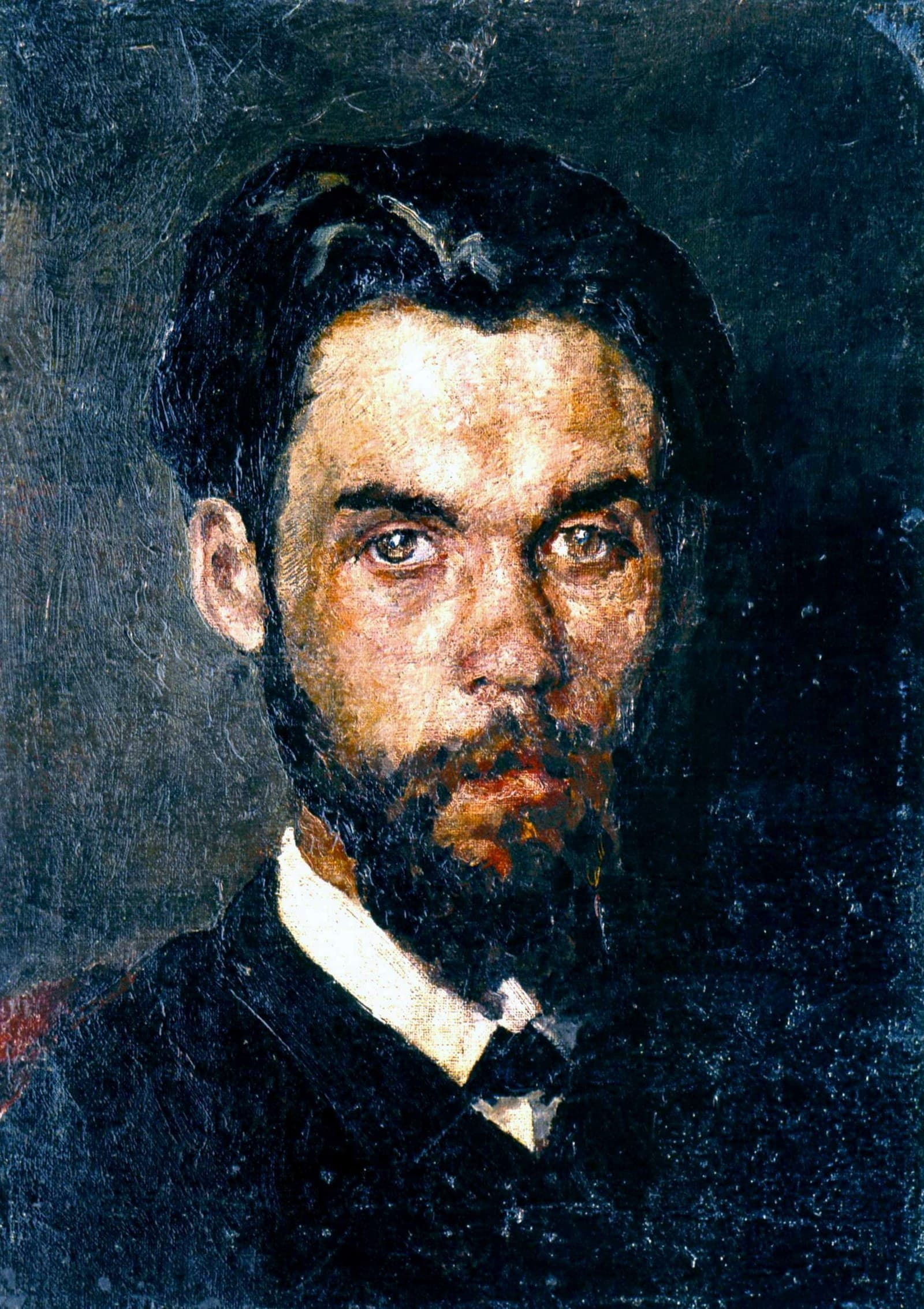
Mykola Pymonenko
1862–1912
Leading figure of Ukrainian realist genre art; produced 700+ ethnographically precise scenes of Ukrainian rural life and taught at the Kyiv Art School (Malevych was a pupil). His 'Hopak' entered the Louvre.
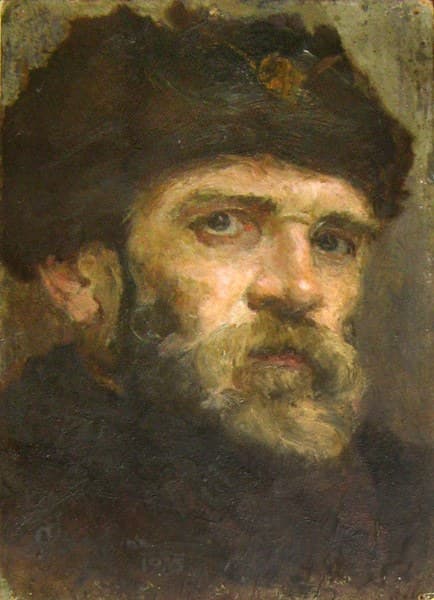
Ivan Yizhakevych
1864–1962
One of the most prolific Ukrainian painters and illustrators of his era, trained in the Kyiv Pechersk Lavra icon workshop and the St. Petersburg Academy. A late master of Ukrainian icon painting, known for genre scenes and Shevchenko illustrations.
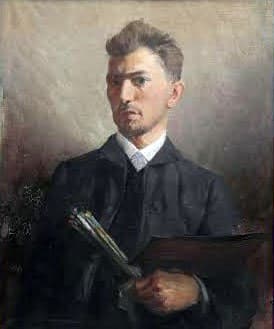
Mykola Ivasiuk
1865–1937
A Ukrainian history painter born in Bukovyna and Vienna Academy-trained, who worked in Chernivtsi and Kyiv on monumental Cossack history. He was arrested and executed during the Great Purge in 1937.
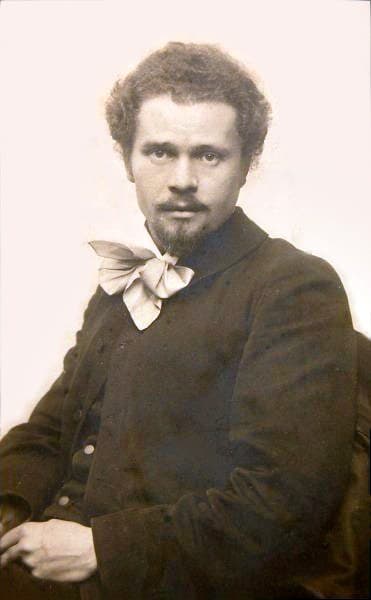
Ivan Trush
1869–1941
One of the foremost Ukrainian Impressionists; ~6,000 works; central to founding the Lviv National Museum; painted luminous landscapes and portraits of Ukrainian cultural figures.
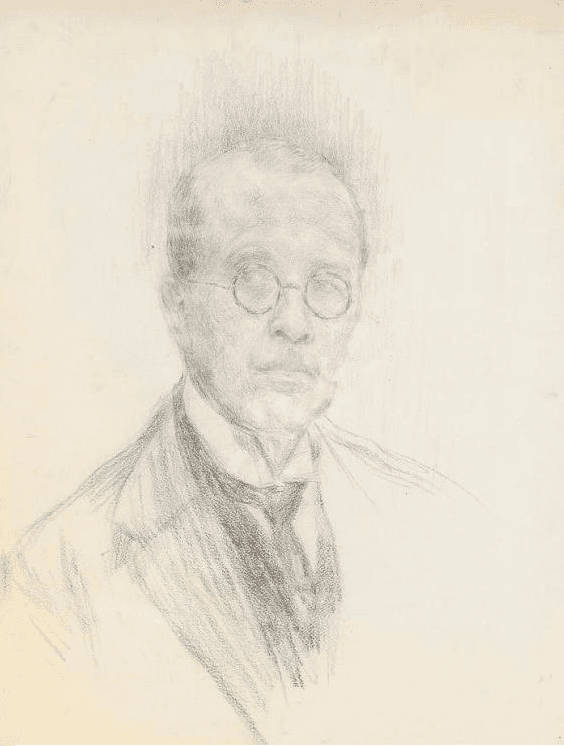
Petro Nilus
1869–1943
An Impressionist painter and writer born in Podolia and raised in Odesa, where he trained under Kyriak Kostandi. A friend of Bunin, he emigrated to Paris in 1920, where he worked until his death.
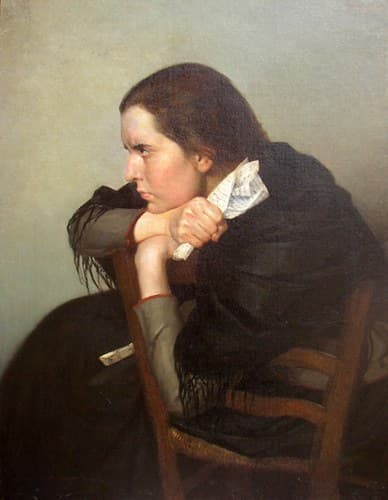
Serafyma Blonska
1870–1947
Serafyma Blonska was a Ukrainian painter born in Verkhnodniprovsk on the Dnipro, trained at Mykola Murashko's Kyiv Drawing School and at the Imperial Academy of Arts, with further study in Italy. Her 1900 diploma canvas Girls. Palm Sunday, a candle-lit church interior full of girls holding willow branches, is one of the finest Ukrainian paintings of Easter-cycle ritual. With her husband, the Myrhorod-born painter Oleksandr Leontovskyi, she ran a drawing school in Taganrog for eighteen years, teaching orphaned children free of charge.
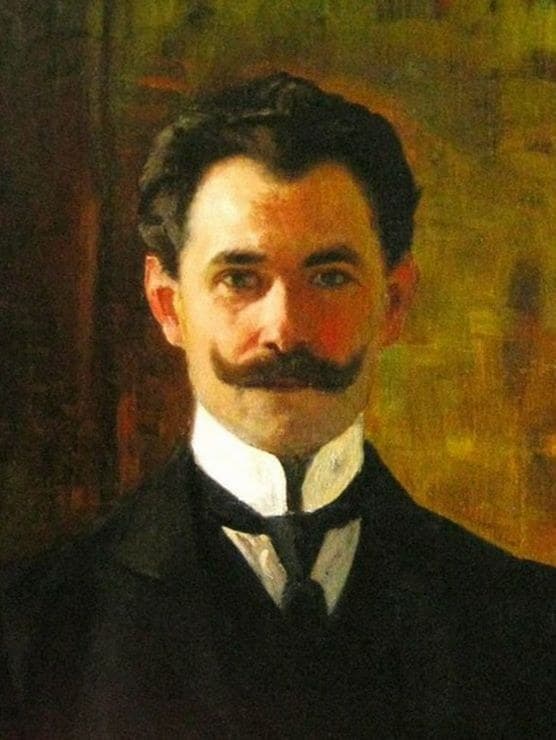
Osyp Kurylas
1870–1951
A Ukrainian (Galician) painter and graphic artist, Kraków Academy-trained, best known for depictions of Hutsuls and patriotic imagery of the Ukrainian Sich Riflemen, with whom he served in WWI. He later directed Novakivskyi's Lviv art school.
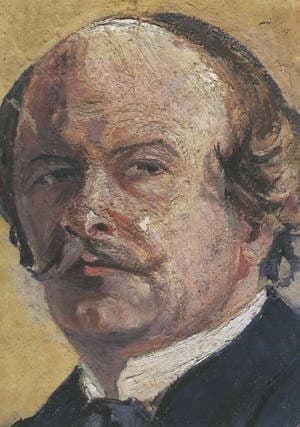
Mykola Burachek
1871–1942
Virtuoso Impressionist landscape painter, theatre designer and writer; studied under Stanisławski and in Matisse's studio; taught in Kyiv and Kharkiv.
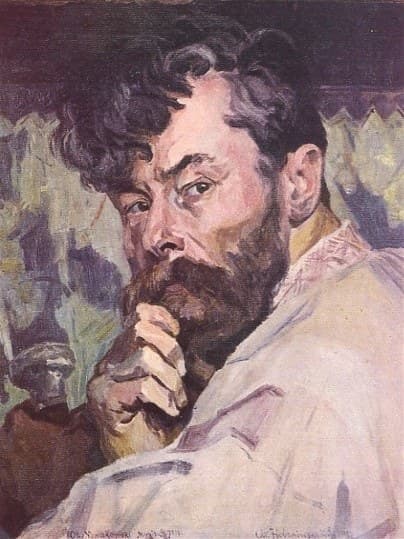
Oleksa Novakivskyi
1872–1935
Evolved from Impressionism through Symbolism to personal Expressionism; under Sheptytsky's patronage founded an influential Lviv art school (1923).
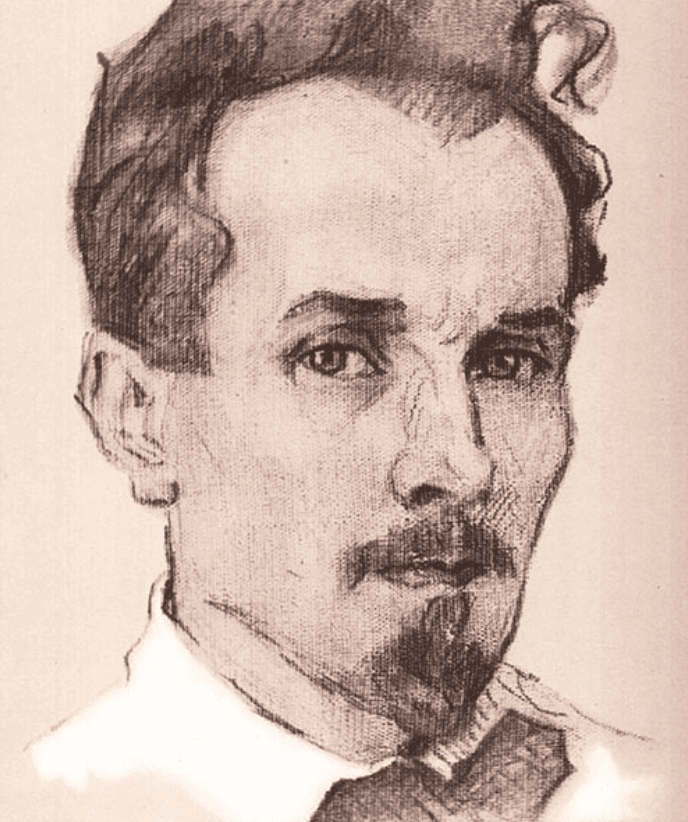
Hryhorii Svitlytskyi
1872–1948
A Ukrainian painter and trained musician born and died in Kyiv, who studied under Murashko, Repin and Kuindzhi. Nicknamed the 'Poet of Moonlit Nights,' he was a lyrical landscapist and in 1946 became the first People's Artist of the Ukrainian SSR.
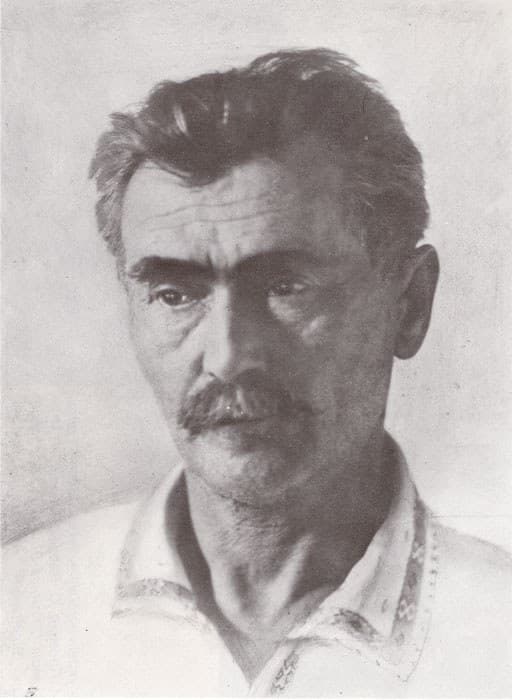
Vasyl Krychevskyi
1873–1952
Pioneering painter, architect and graphic artist; a founder of Ukrainian Art Nouveau; designed the trident state emblem and banknotes of the UNR (1918); emigrated, died in Venezuela.
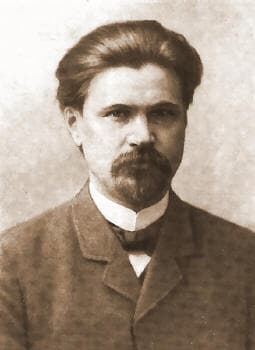
Fotii Krasytskyi
1873–1944
A Ukrainian painter and graphic artist, grand-nephew of Taras Shevchenko, who studied under Pymonenko, Kostandi and Repin. A realist with impressionist leanings, he taught at the Kyiv State Art Institute.
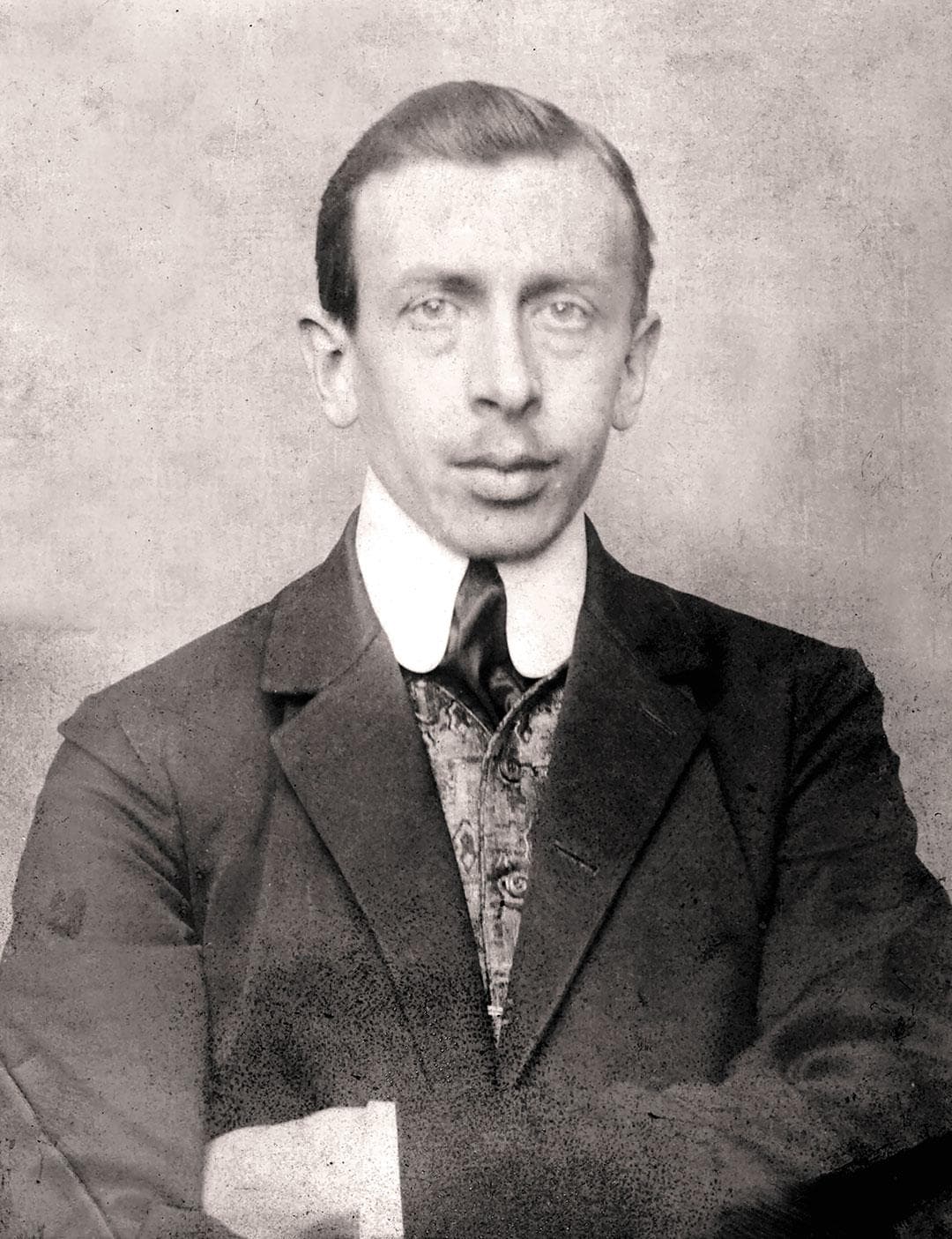
Modest Sosenko
1875–1920
Modest Danylovych Sosenko (April 28, 1875, Porohy, Austro-Hungarian Empire – February 4, 1920, Lviv, West Ukrainian People’s Republic) was a prominent Ukrainian monumentalist whose work is characterized by a synthesis of ancient traditions and modern European trends. His style is often described as a synthetic style or Ukrainian Art Nouveau in sacred art.
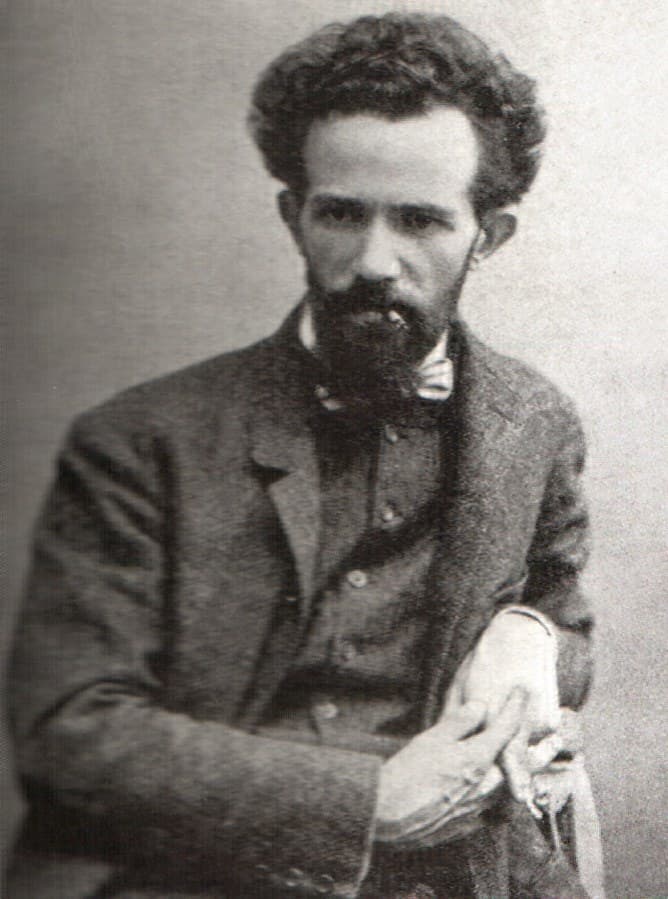
Oleksandr Murashko
1875–1919
Often called the most important Ukrainian artist of the turn of the century; trained under Repin and Ažbe; 'Carousel' won gold at Munich 1909; co-founded the Ukrainian State Academy of Arts (1917); murdered in Kyiv 1919.
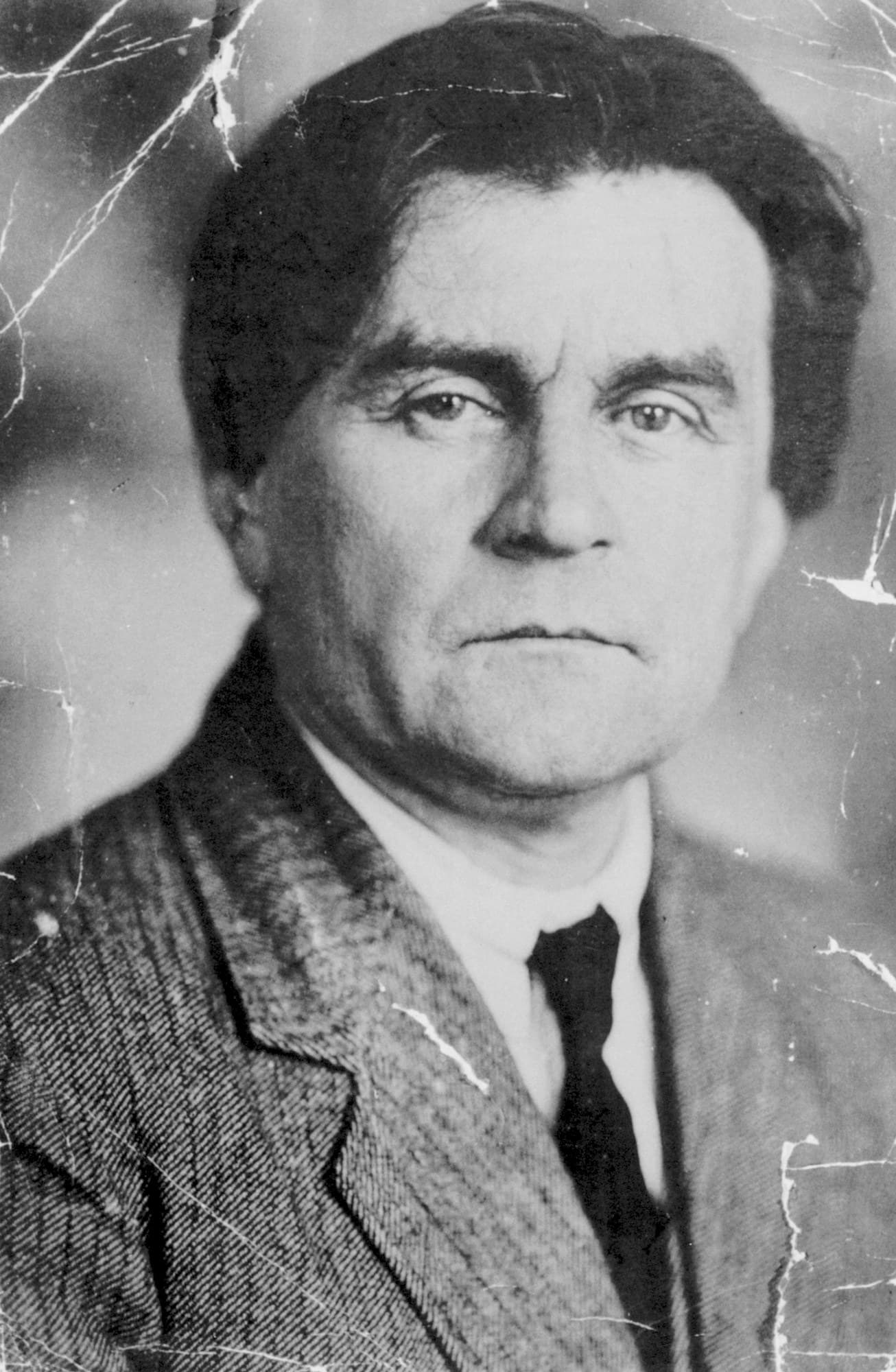
Kazymyr Malevych
1879–1935
Founder of Suprematism and a pioneer of geometric abstraction; born in Kyiv and later taught at the Kyiv Art Institute (1928–30).
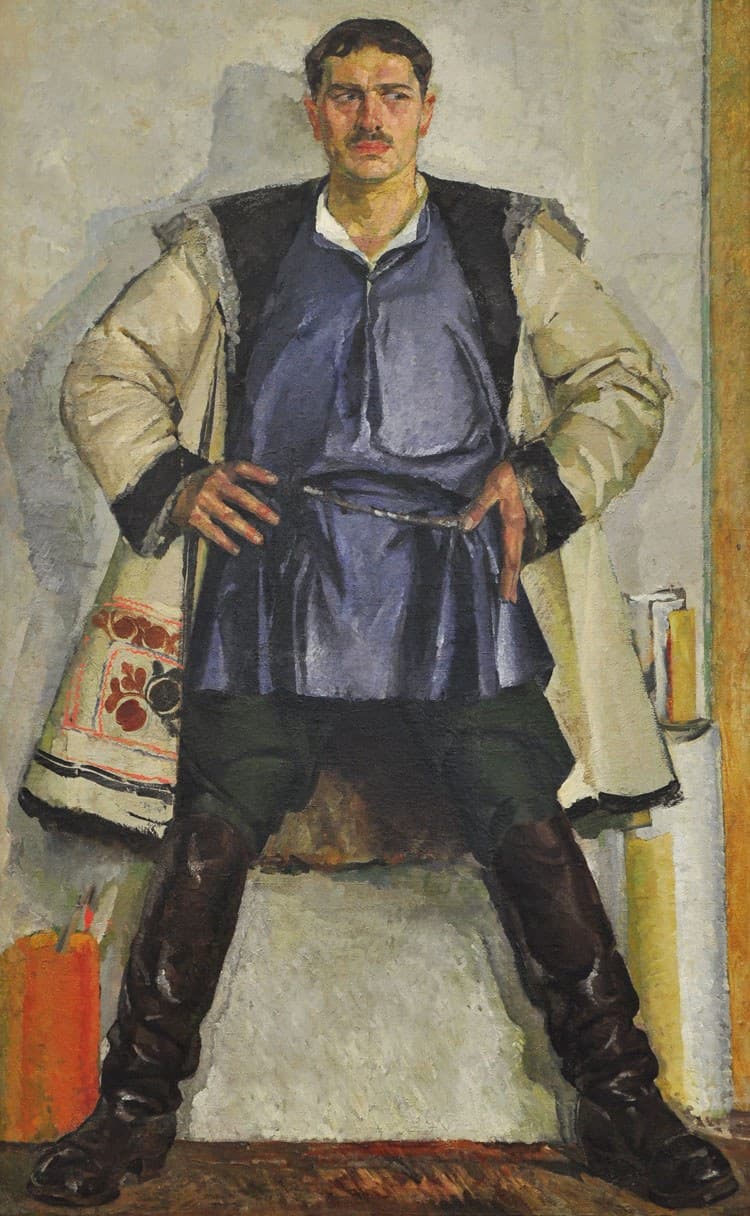
Fedir Krychevskyi
1879–1947
Leading early-modernist painter; co-founder/rector of the Ukrainian State Academy of Arts; created the triptych 'Life' (Venice Biennale 1928); persecuted after WWII, died in poverty 1947.
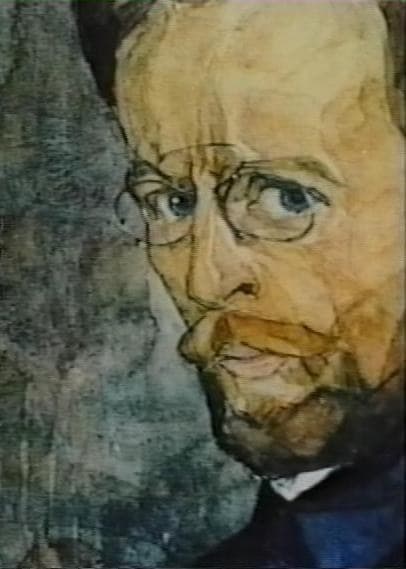
Oleksandr Bohomazov
1880–1930
Central theorist and painter of the Ukrainian avant-garde ('the unknown genius of Ukrainian Cubo-Futurism'); his 1914 treatise 'Painting and Elements' set out its theory.
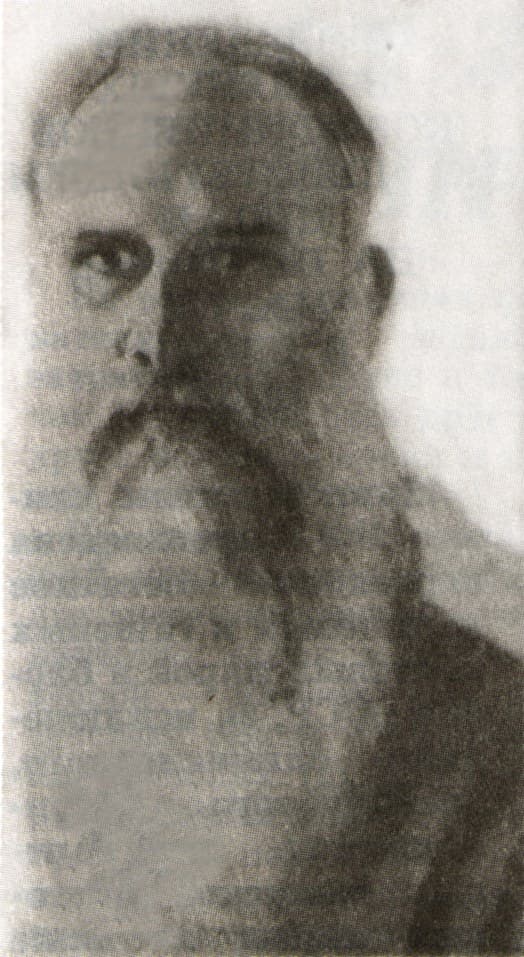
Ivan Miasoiedov
1881–1953
Ivan Miasoiedov was a painter, draughtsman and engraver born in Kharkiv and raised on his family's estate near Poltava, where he led a bohemian artists' circle and painted Ukrainian landscapes alongside large symbolist compositions on antique myth. He was also a champion weightlifter, a wartime artist, a convicted counterfeiter and, from 1938, the designer of Liechtenstein's postage stamps under the name Eugen Zotow. His early Poltava-period work is held by the Poltava Art Museum, and the bulk of his later output by the Zotow–Miasoiedov Foundation in Vaduz.
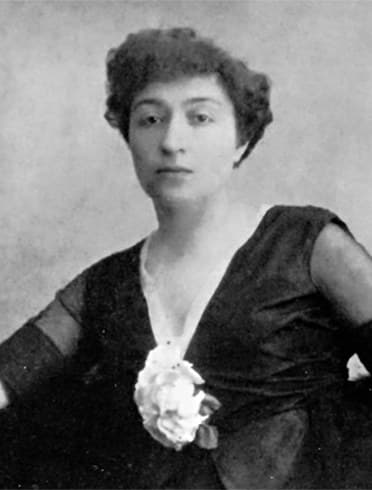
Oleksandra Ekster
1882–1949
Leading figure of Ukrainian Cubo-Futurism and Constructivism; her Kyiv studio was the hub of the local avant-garde; celebrated theatre and film designer.
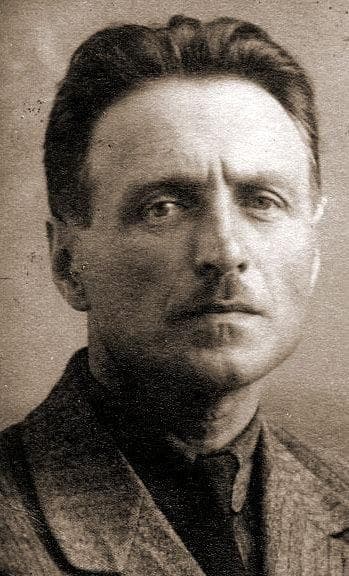
Mykhailo Boichuk
1882–1937
Founder of Boichukism, a monumental school synthesising Byzantine, Quattrocento and Ukrainian folk art; co-founder/rector of the Ukrainian State Academy of Arts. Executed by the NKVD on 13 July 1937; nearly all his monumental works were destroyed.
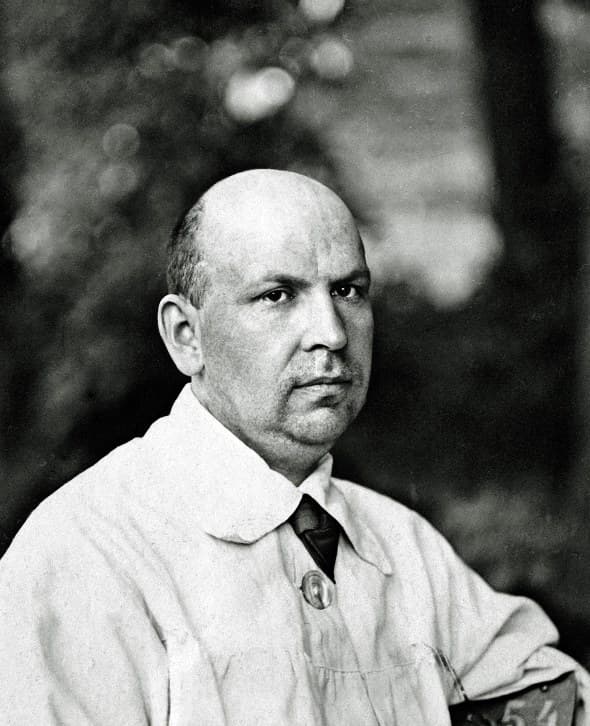
Heorhii Narbut
1886–1920
Founding genius of modern Ukrainian graphic art; designed UNR banknotes, stamps and the state emblem, and the celebrated Ukrainian Alphabet; professor and rector of the Ukrainian Academy of Arts.
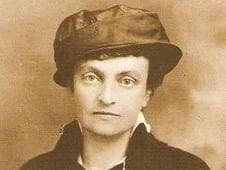
Olena Kulchytska
1887–1967
A Ukrainian artist working in various fields[3] of graphic art, painting, and carpet weaving, as well as an educator. People’s Artist of the Ukrainian SSR (1956). Member of the Supreme Council of the Ukrainian SSR during its 3rd and 4th convocations. Author of over 4,000 works of art that have become part of the golden fund of Ukrainian book illustration (“The Tale of Igor’s Campaign,” “Shadows of Forgotten Ancestors,” “Lys Mykyta,” and the three-volume work by ethnographer Stefanyk). A pioneer of children’s book illustration in Ukraine.
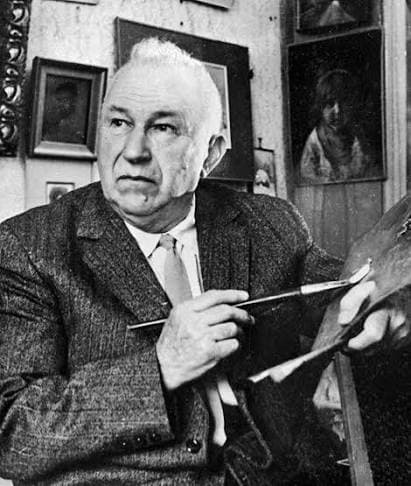
Fedir Konovaliuk
1890–1984
Fedir Konovaliuk was a Kyiv painter and illustrator who began as an icon painter in the Pechersk Lavra workshop and became one of the most exact landscapists of the Ukrainian village. He worked for decades alongside Ivan Yizhakevych, together producing illustrations for the classics of Ukrainian literature. His small, densely coloured panels record identifiable places, seasons and even particular days rather than picturesque scenery.
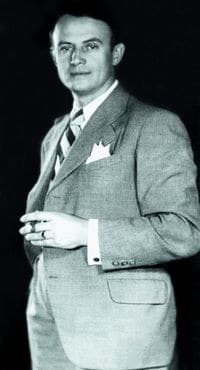
Adalbert Erdeli
1891–1955
Adalbert Erdeli (1891–1955) was a founder of the Transcarpathian school of painting, trained in Budapest, Munich and Paris, where he absorbed impressionism and fauvism. With Yosyp Bokshai he founded the Uzhhorod art school in 1927 and taught most of the region's leading painters, refusing socialist realism throughout the Soviet period.
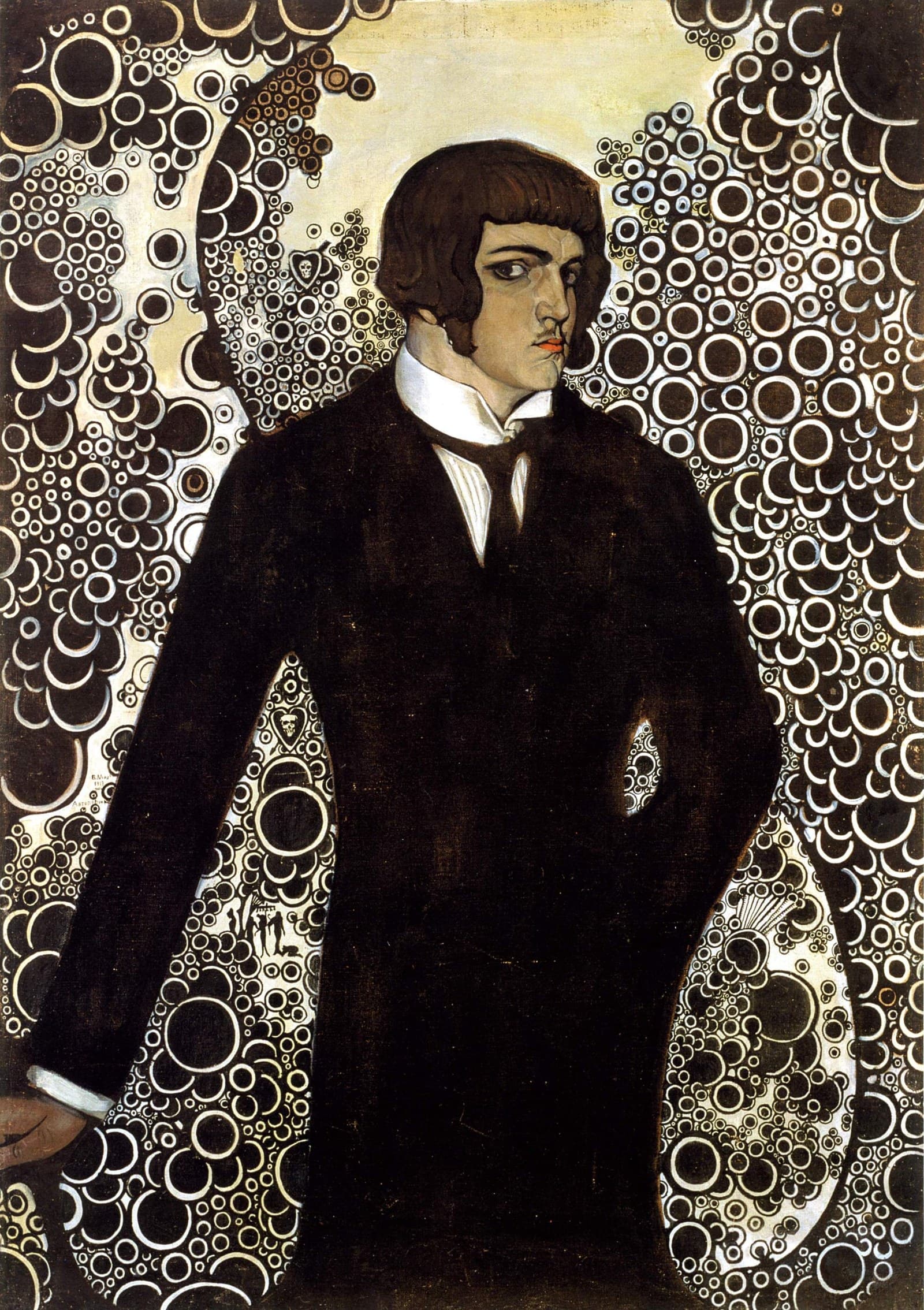
Vsevolod Maksymovych
1894–1914
Short-lived Poltava prodigy ('the Ukrainian Beardsley'); ornate Symbolist/Art Nouveau paintings; most surviving works in the National Art Museum of Ukraine.
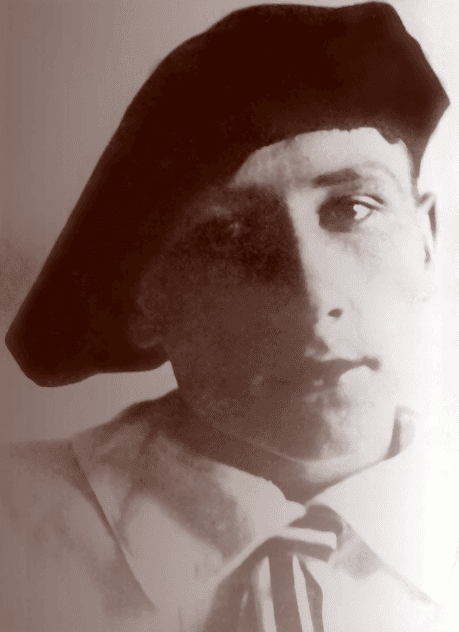
Vasyl Yermylov
1894–1968
Central figure of Kharkiv Constructivism; developed a distinctive constructivist collage and typographic style; co-founded the Kharkiv Technical Art Institute (1922).
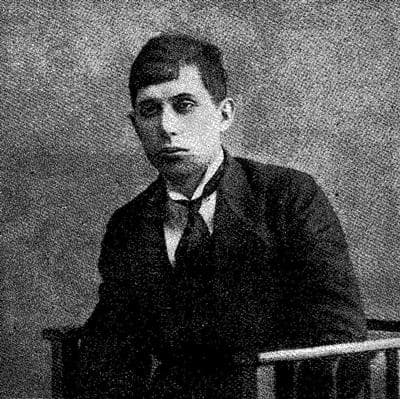
Anatol Petrytskyi
1895–1964
Painter and leading Constructivist theatre designer of the Ukrainian avant-garde; painted 150+ portraits of Ukrainian cultural figures, most destroyed under Soviet repression.
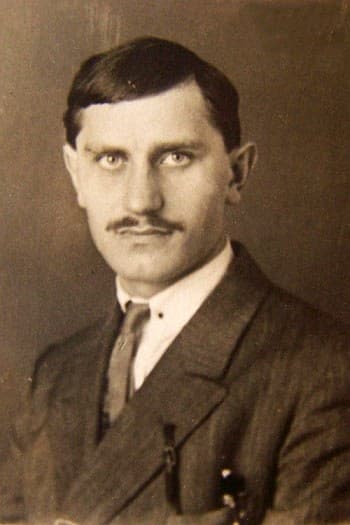
Vasyl Sedliar
1899–1937
Close associate of Boichuk; painter, ceramicist and book artist best known for his complete cycle of illustrations to Shevchenko's 'Kobzar'; executed by the NKVD in 1937.
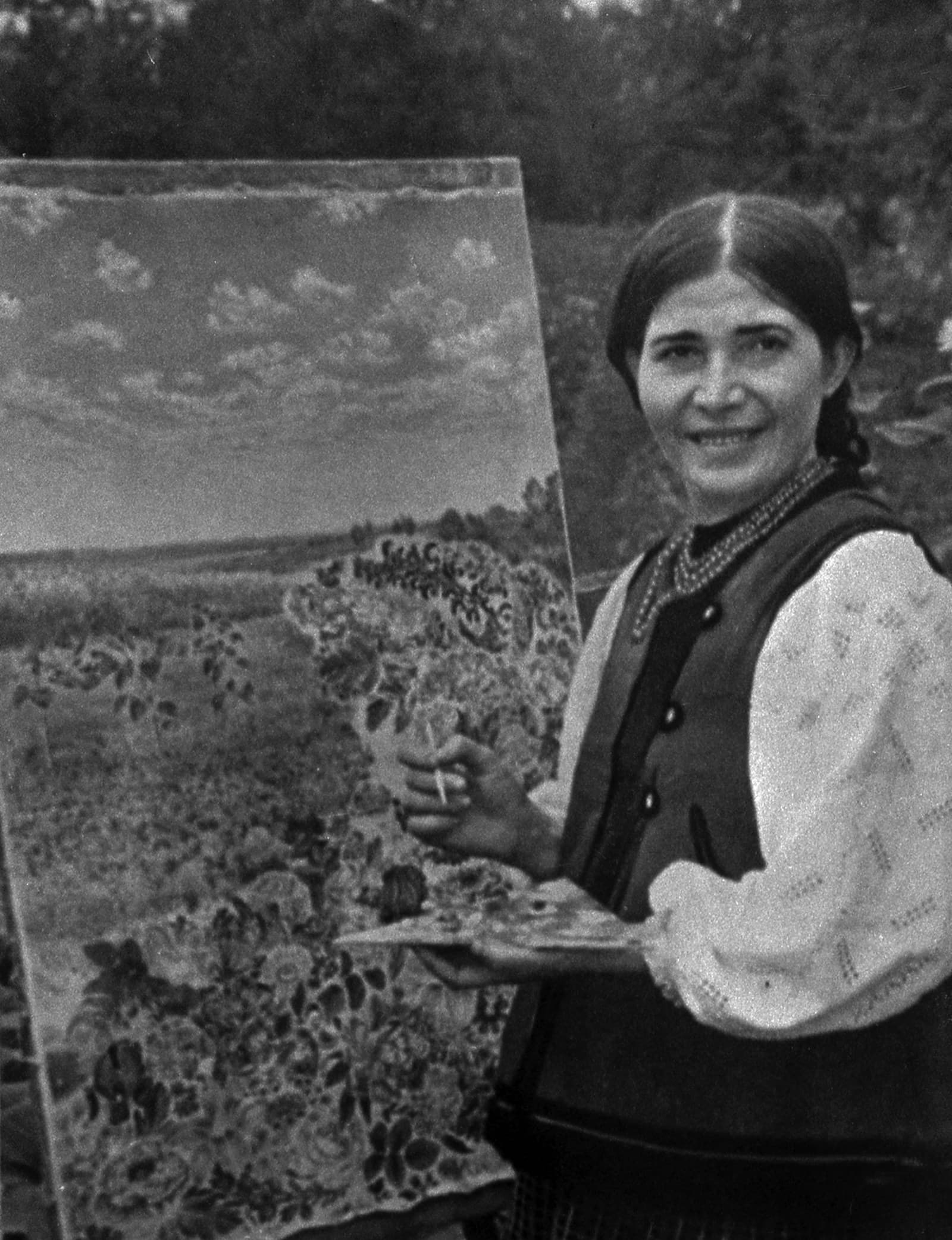
Kateryna Bilokur
1900–1961
Kateryna Bilokur was a self-taught peasant painter from the Poltava region who became one of the great figures of Ukrainian folk decorative art, working almost entirely in oil on canvas without ever attending an art school. Refused entry to art colleges twice for lacking a school certificate, she painted in secret against her family's opposition, making her own brushes from cat and cow hair and cherry twigs. Her densely worked flower compositions on deep blue grounds brought her national recognition from 1940 onwards and are now the core of the collection of the National Museum of Ukrainian Folk Decorative Art in Kyiv.
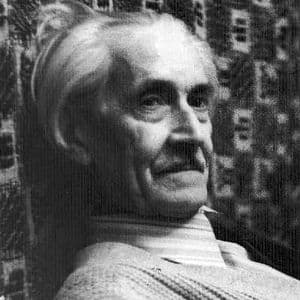
Roman Selskyi
1903–1990
Roman Selskyi was the central figure of twentieth-century Lviv painting and the founder of the school known as Ukrainian colourism, in which colour rather than subject carries the picture. Trained in Kraków and Paris, where he worked at Fernand Léger's Académie Moderne, he brought European modernism back to Galicia and first chaired the avant-garde group 'Artes'. As a professor in Lviv from 1947 he taught for nearly thirty years and shaped a generation of painters who kept a non-doctrinal practice alive in Soviet Ukraine.
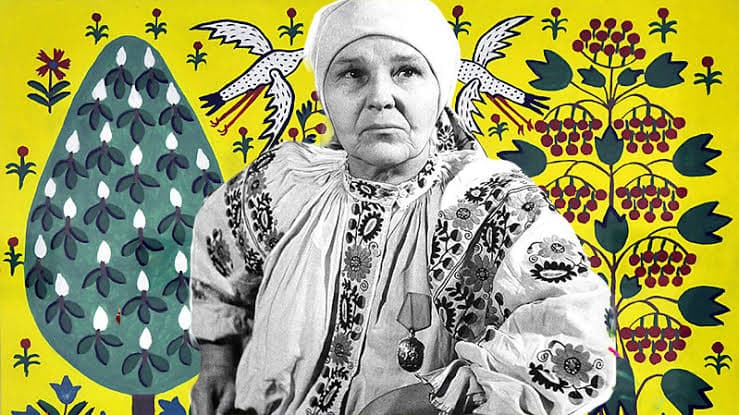
Mariia Prymachenko
1909–1997
Mariia Prymachenko was a Ukrainian folk painter and the best-known figure of twentieth-century Ukrainian naive art. Working in gouache and watercolour on paper, she invented a bestiary of fantastical animals and personified flowers that has become a national visual emblem. She spent almost her whole life in her native village of Bolotnia, north of Kyiv.
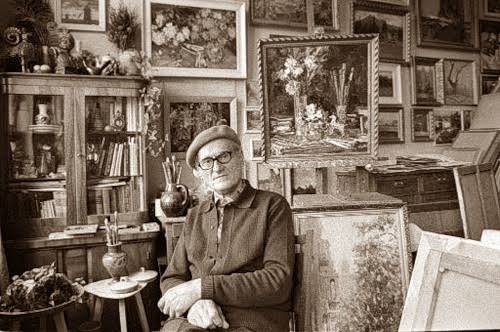
Serhii Shyshko
1911–1997
Serhii Shyshko was a Ukrainian landscape painter who spent five decades recording Kyiv and its surroundings in a loose, light-filled plein-air manner. He is best known for the 'Kyivan Suite', a cycle of more than a hundred canvases of the city, and was among the most decorated landscapists of Soviet Ukraine.
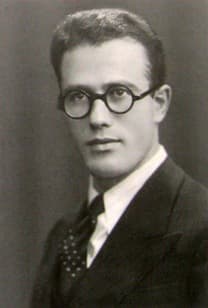
Havrylo Hliuk
1912–1983
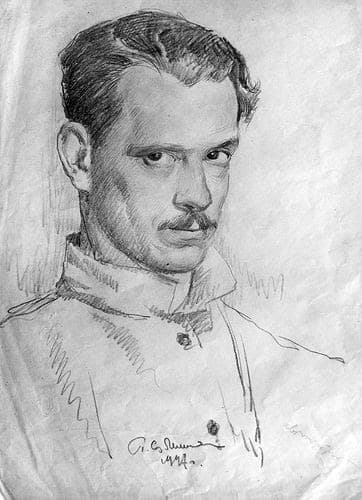
Petro Sulymenko
1914–1996
Petro Stepanovych Sulymenko (1914–1996) was a Ukrainian painter, landscape artist, and creator of thematic paintings. He was named an Honored Artist of Ukraine in 1974. He studied at the Kyiv Art Institute (1939–1947) under O. Shovkunenko. He traveled extensively. His most significant works are dedicated to the heroic deeds of naval soldiers on the fronts of World War II and during the October Revolution. Husband of artist Z. Zatsepina. He lived and worked in Kyiv.
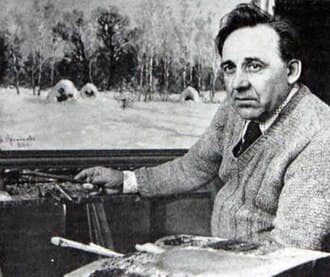
Vasyl Nepyipyvo
1916–2007
Vasyl Nepyipyvo was a Ukrainian landscape and still-life painter, People's Artist of the Ukrainian SSR (1982), who worked entirely outside formal art education. A self-taught graduate of a Kharkiv art studio and a Second World War veteran, he built a career on lyrical panoramas of the Dnipro, Poltava region and Kyiv. Critics described his landscapes as epic, romantic and unusually rich in colour, rooted in the tradition of Ukrainian realist landscape painting.
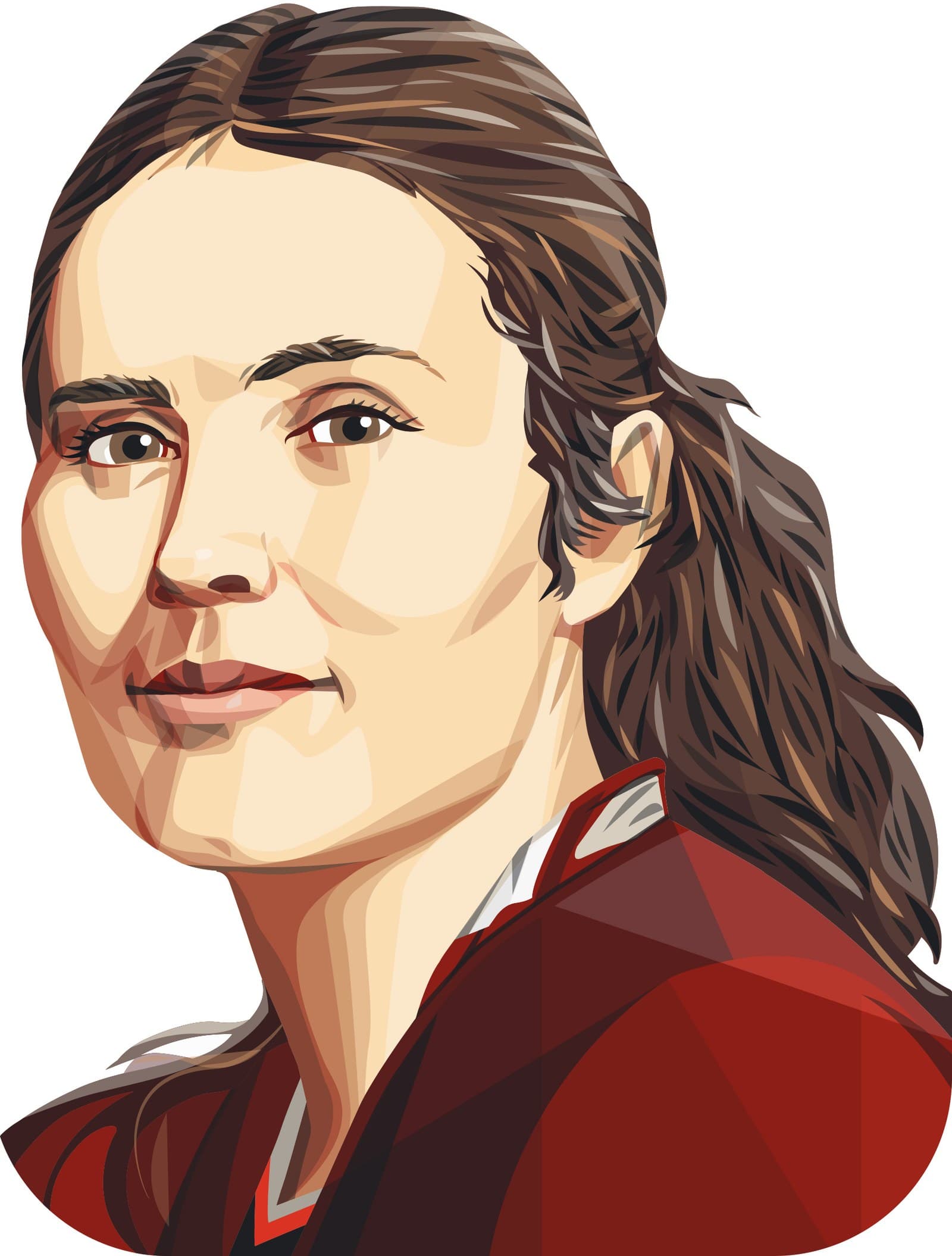
Tetiana Yablonska
1917–2005
Tetiana Yablonska was one of the defining painters of twentieth-century Ukraine, whose sixty-year career ran from prize-winning Socialist Realist canvases to intensely personal late pastels. Trained in Kyiv under Fedir Krychevskyi, she won three USSR State Prizes yet repeatedly collided with the Party over its control of art. Her 1969 canvas 'Youth' and her folk-inflected paintings of the 1960s mark her as one of the artists who reopened Ukrainian painting to something other than official doctrine.
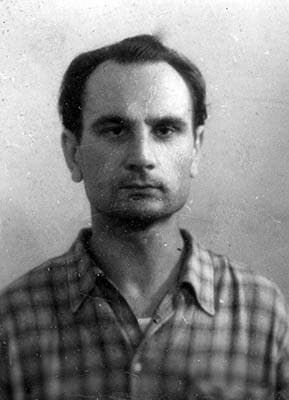
Oleksii Fishchenko
1920–2010
Oleksii Fishchenko (1920–2010) was a Ukrainian graphic artist and printmaker, a People's Artist of Ukraine, best known for large colour linocuts of Ukrainian landscape and of Kyiv. He cut his blocks in multiple boards and printed them by hand, without a press, which gave his prints an unusually dense, painterly colour. His long series «Ритми. Київ» (Rhythms. Kyiv), begun in the 1980s, is his signature cycle.
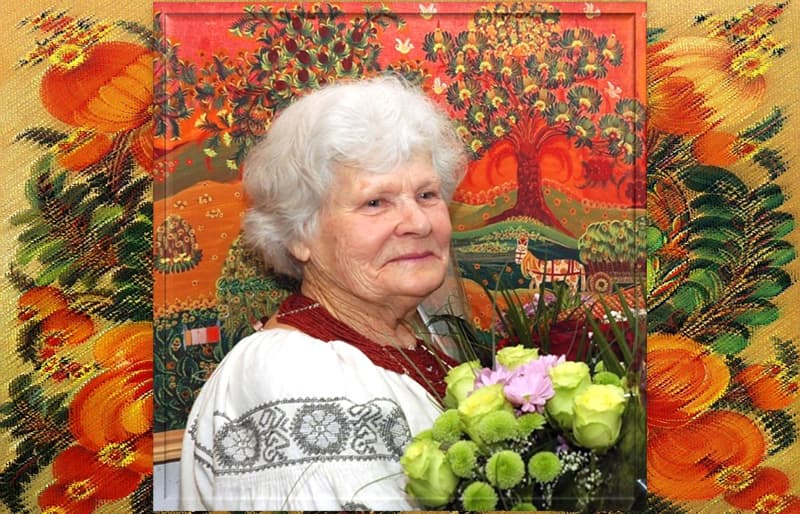
Marfa Tymchenko
1922–2009
Marfa Tymchenko (1922–2009) was a Ukrainian artist. She was born in the village of Petrykivka, Dnipropetrovsk Oblast. She graduated from the two-year school of Petrykivka painting (1938). She studied at the Kyiv Art School of Masters of Folk Decorative Art (1938–1941). She worked at the Korosten Porcelain Factory (1940–1941); as a monumental artist in the folk art department of the Institute of Art Industry at the Academy of Architecture (1944–1947); as a textile artist at the Union of Artists of Ukraine (UAU) and in the Khudoprom artel (1947–1954). Member of the UAU (since 1950). In 1954, she was invited to the Kyiv Experimental Ceramics and Porcelain Factory as an artist, where she worked for 33 years. An active participant in exhibitions within the USSR and abroad (since 1947). Recipient of numerous orders, medals, and certificates.
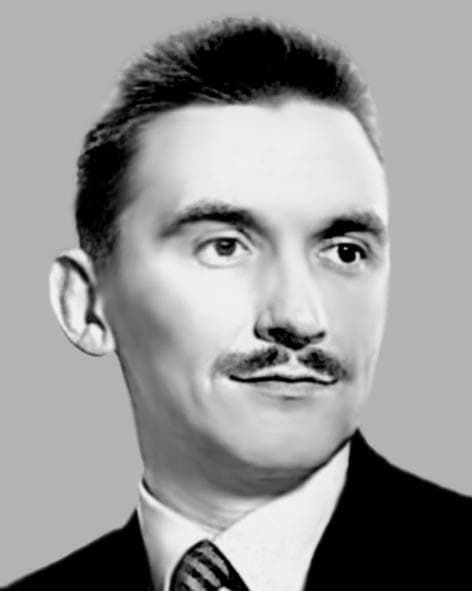
Liuboslav Hutsaliuk
1923–2003
Liuboslav Hutsaliuk was a Lviv-born painter who emigrated to New York in 1949 and became one of the leading figures of Ukrainian diaspora modernism. Working between studios in New York and Paris, he built a distinctive body of cityscapes in which cathedral spires, rooftops and bridges dissolve into thick vertical impasto and two- or three-note colour harmonies.
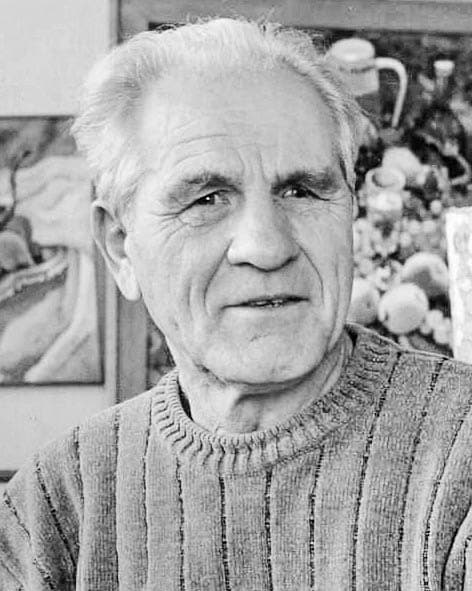
Mykola Maksymenko
1924–2016
Mykola Maksymenko was a Ukrainian painter of still lifes and landscapes, People's Artist of Ukraine (1994) and a laureate of the Shevchenko National Prize for his cycle 'Landscapes of Ukraine'. Blinded in one eye as a front-line scout in 1943, he spent nearly seven decades painting the Polissia countryside around Zhytomyr in a dense, high-keyed impasto. The largest single collection of his work is held by the Zhytomyr Regional Museum of Local Lore.
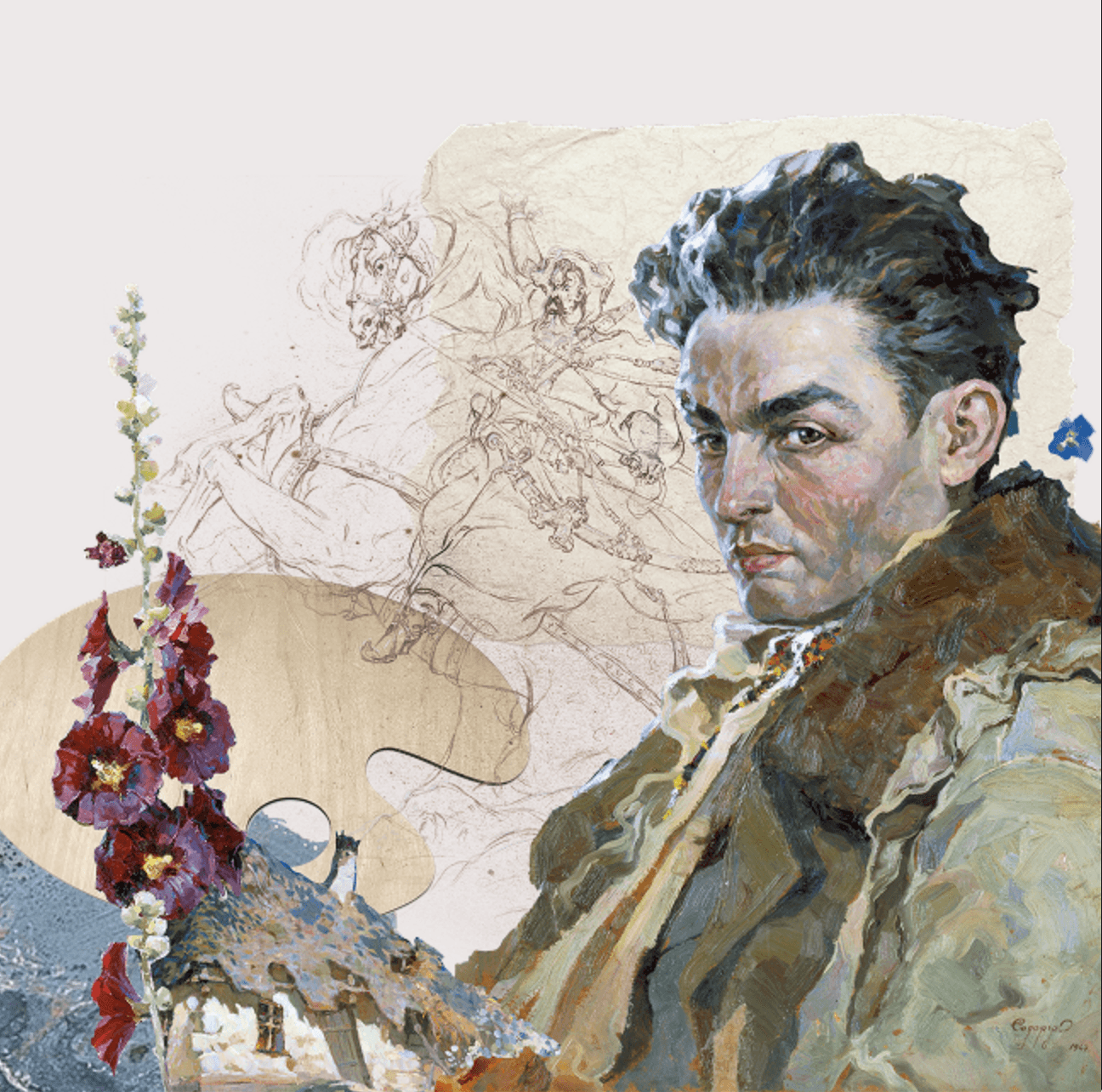
Volodymyr Sydoruk
1925–1997
Volodymyr Sydoruk (1925–1997) – Ukrainian painter. He graduated from the Kyiv Art School (1938), where he studied under I. Khvorostetskyi and Y. Kyianchenko. He participated in exhibitions (beginning in 1954). Member of the National Union of Artists of Ukraine (1957). Honored Artist of the Ukrainian SSR (1985). During his lifetime, the artist held 12 solo exhibitions. He worked primarily in the genres of landscape, still life, and thematic painting. The artist’s works are held in museums in Ukraine, as well as in private collections and galleries in Ukraine, Russia, Japan, and Europe.
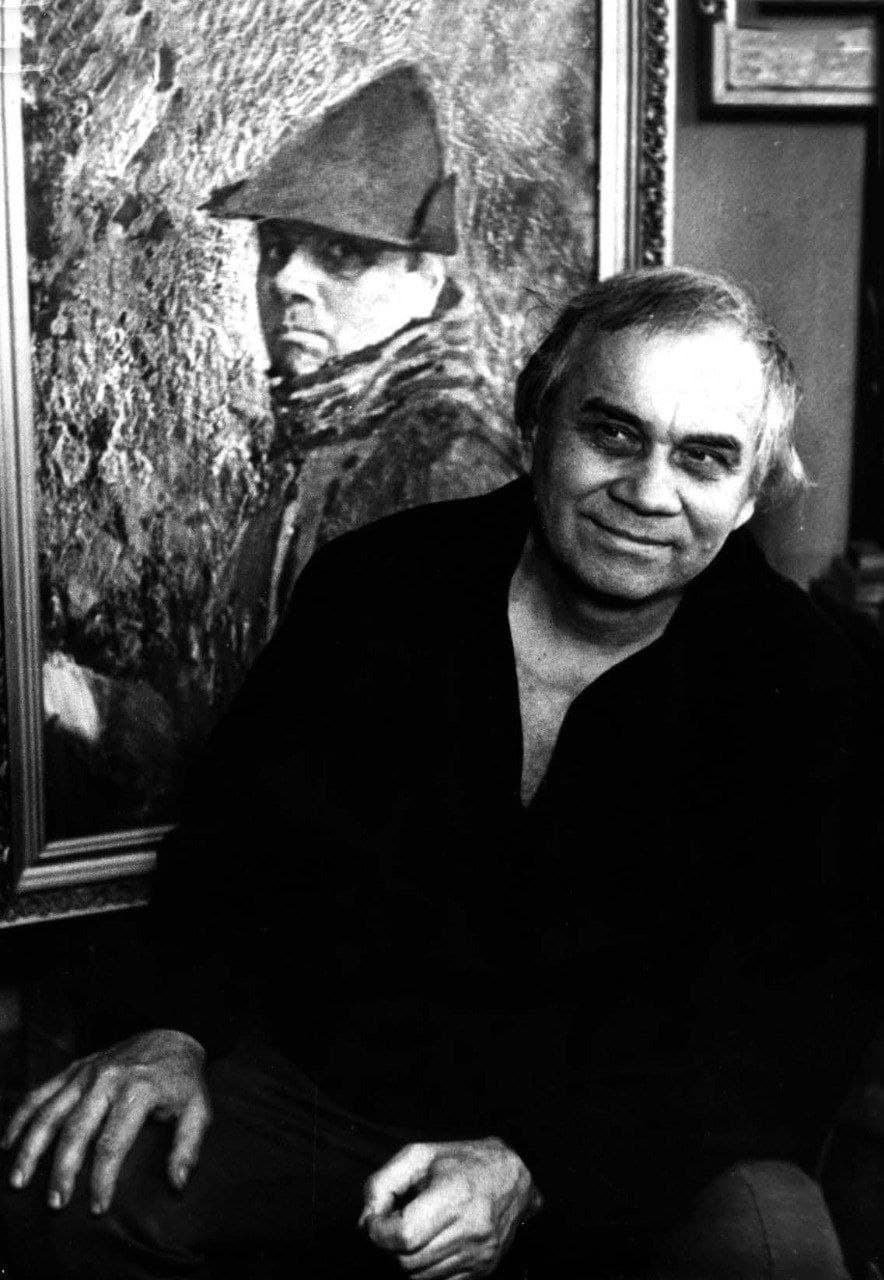
Viktor Zaretskyi
1925–1990
Viktor Zaretskyi (1925–1990) was a Ukrainian painter, monumentalist and teacher, husband of Alla Horska and one of the leaders of the Sixtiers generation. After beginning with a socially observant Donbas miners' cycle he turned in the 1980s to an ornamental, gold-laden manner indebted to the Vienna Secession that earned him the nickname "the Ukrainian Klimt".
Yurii Yehorov
1926–2008
An outstanding Ukrainian artist, painter, and monumentalist, and one of the leading figures and key representatives of the Odesa School of Painting in the second half of the 20th century.s well as graphic art, and created tapestries, ceramics, stained glass, and mosaics.
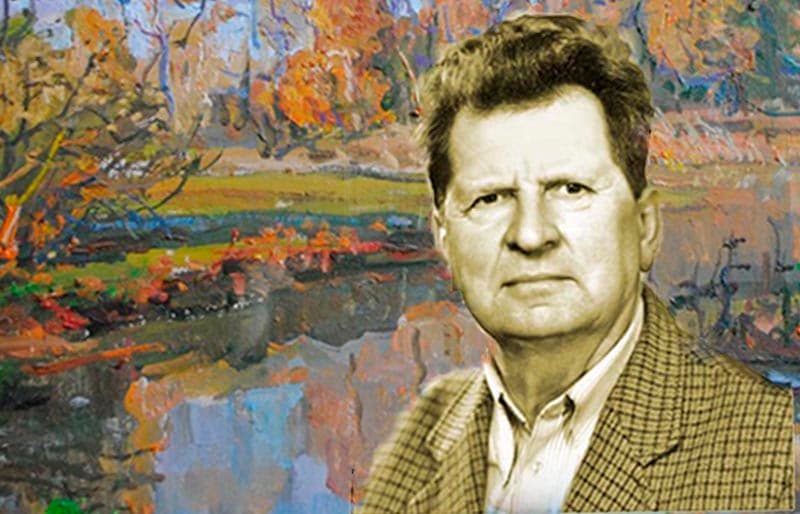
Volodymyr Zhuhan
1926–2008
Volodymyr Zhuhan (1926–2008) was a Ukrainian painter from the Dnipro region and one of the originators of the Ukrainian industrial landscape. A Second World War veteran, he built a career around the scenery, rivers and heavy industry of Dnipropetrovsk and Poltava oblasts. He was made a Merited Artist of Ukraine in 2006.
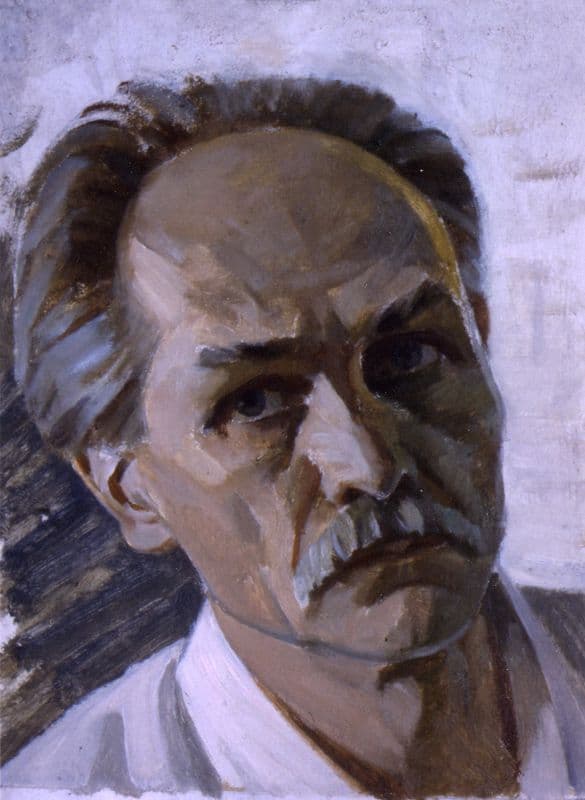
Veniamin Kushnir
1926–1992
Veniamin Kushnir was a Ukrainian painter and monumentalist, and one of the founders of the Kyiv Club of Creative Youth 'Suchasnyk' that gave the Sixtiers movement its centre. He fused Carpathian and Podillian folk form with modernist colour in paintings of motherhood, horses, musicians and Hutsul landscape, and was pushed to the margins of official art for his Ukrainian national convictions.
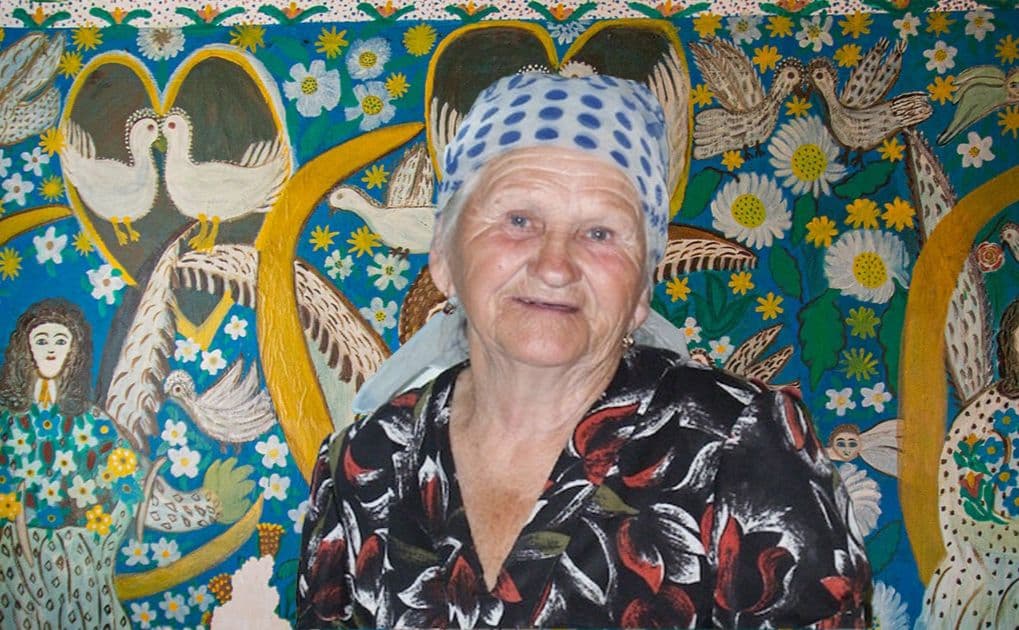
Polina Raiko
1928–2004
Polina Raiko was a Ukrainian self-taught naive artist from Oleshky in the Kherson region who began to paint at the age of sixty-nine. Over roughly six years she covered the walls and ceilings of her own six-room house, its summer kitchen, gates and fences with enamel-paint murals of angels, birds, animals and family memories. The house became a cult site of Ukrainian outsider art and was destroyed in June 2023 by the flooding that followed the Russian destruction of the Kakhovka dam.
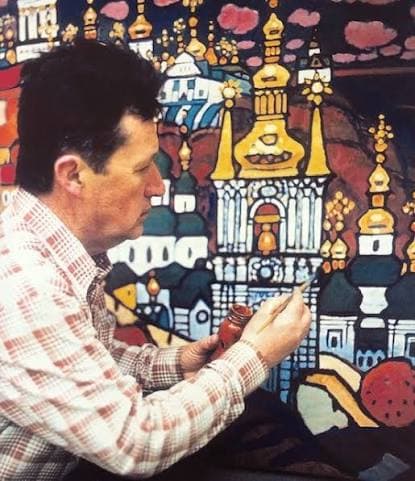
Yurii Khymych
1928–2003
Yurii Khymych was a Ukrainian architect turned painter, the outstanding master of the architectural landscape in twentieth-century Ukrainian art. By the late 1950s he was regarded as one of the finest watercolourists in the USSR, before abruptly switching to gouache, the medium of most of his mature work. Trained as an architect and steeped in years of copying church frescoes and mosaics, he painted what he called 'portraits of buildings' — flattened, open-coloured, black-contoured images closer to icons than to conventional views.
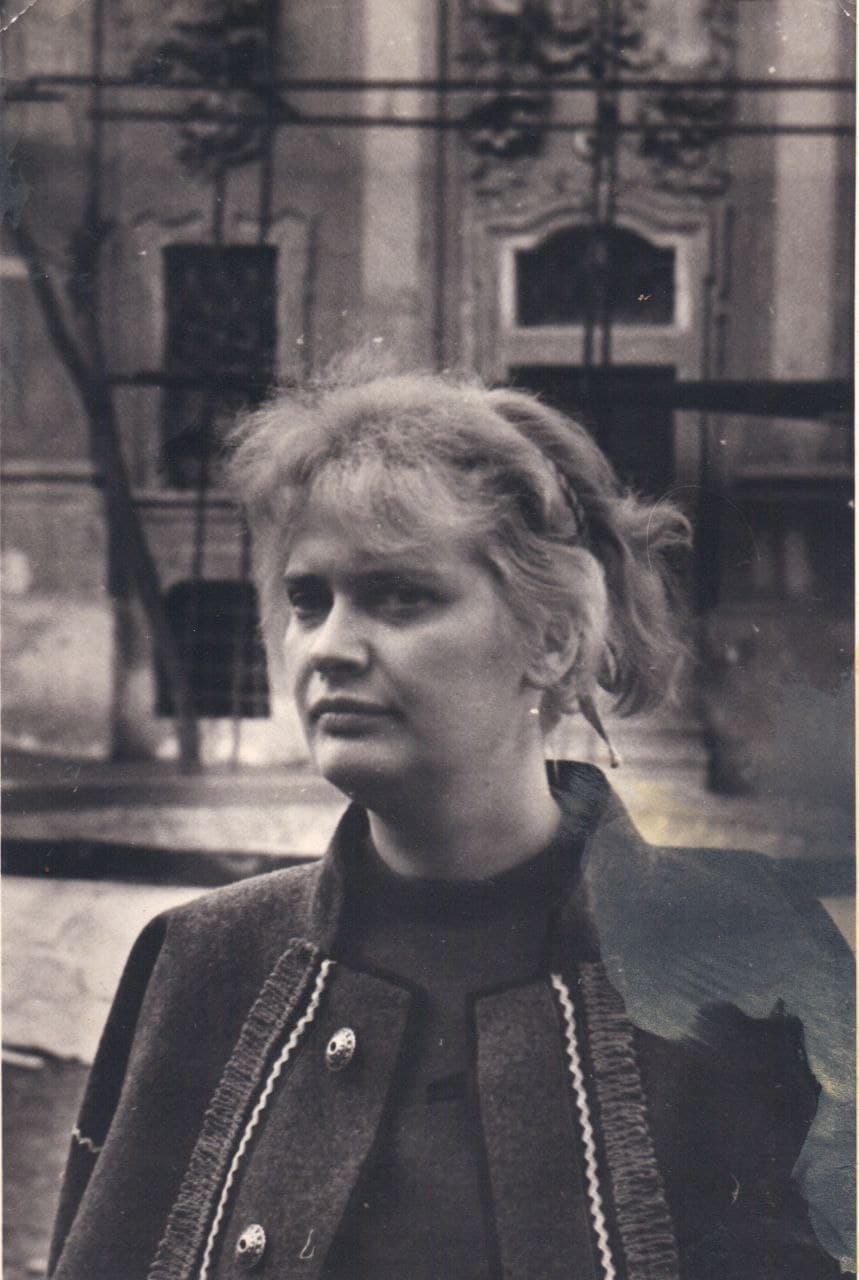
Alla Horska
1929–1970
Alla Horska (1929–1970) was a Ukrainian painter and monumentalist, and with her husband Viktor Zaretskyi a founder of the Club of Creative Youth "Suchasnyk" and a central figure of the Sixtiers and the dissident movement. Her output spans easel painting and portrait drawing, banned stage designs for Les Taniuk, and large mosaic and stained-glass cycles. She was murdered in Vasylkiv in November 1970 at the age of 41, and much of her monumental work has since been destroyed or is endangered.
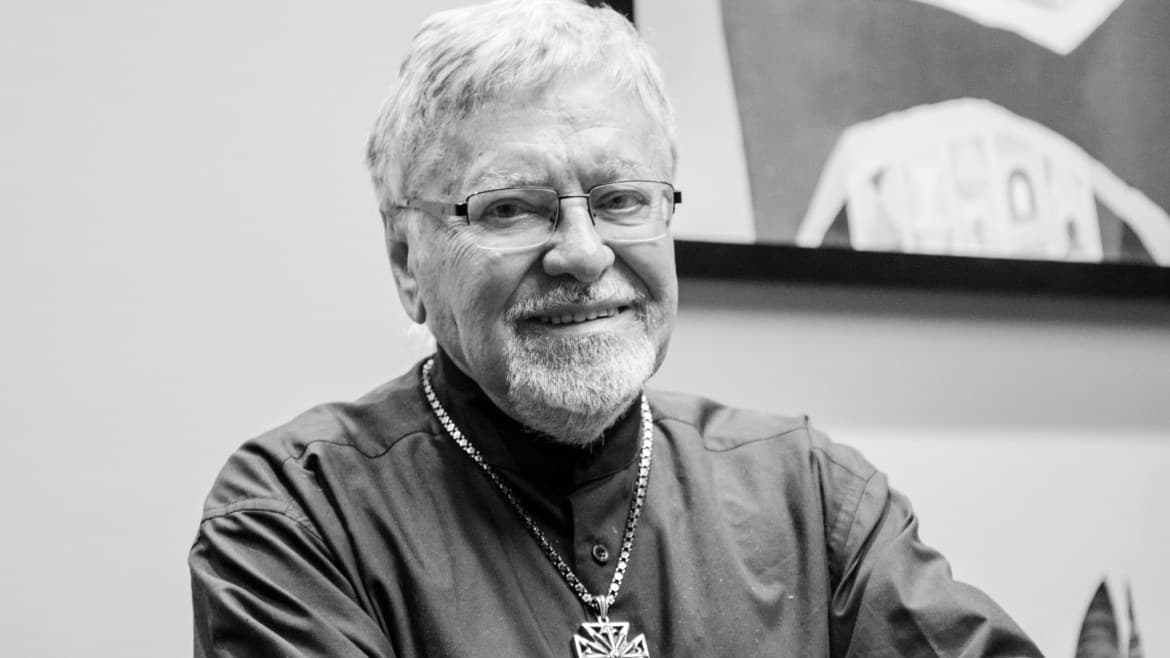
Oleksandr Dubovyk
b. 1931
Oleksandr Dubovyk is a Ukrainian painter, printmaker, monumental artist and writer on art, born in Kyiv in 1931 and still working there. A leading figure of the Kyiv artistic underground of the 1960s–80s, he moved from academic training through the austere realism of the Thaw into an abstract-symbolist language of his own signs — the Bouquet, the Triumphator, the Phantom, the Tree of Life. His work is held by the National Art Museum of Ukraine, the Zimmerli Art Museum's Dodge Collection and museums in Germany, Iran and the USA.
Ivan Marchuk
b. 1936
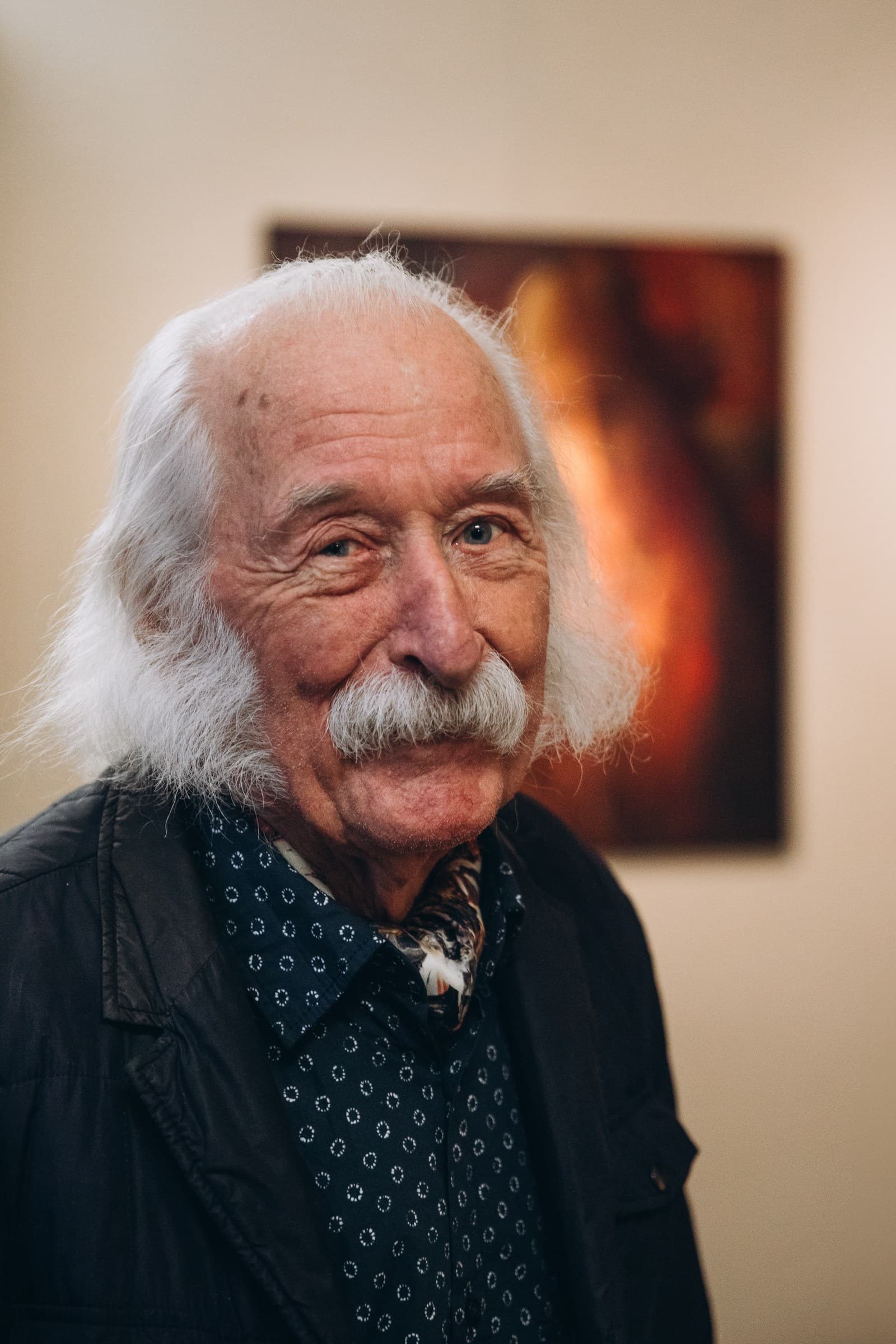
Ivan Marchuk (b. 1936) is a Ukrainian painter who invented "pliontanizm", a technique of building an image out of thousands of fine interwoven threads of paint instead of brushstrokes. He works in long cycles — among them "Voice of My Soul", "Shevchenkiana", "White Planet" and "Vienna Rhapsodies" — that move between landscape, portrait and visionary allegory.
Nataliia Verhun
1938–2026
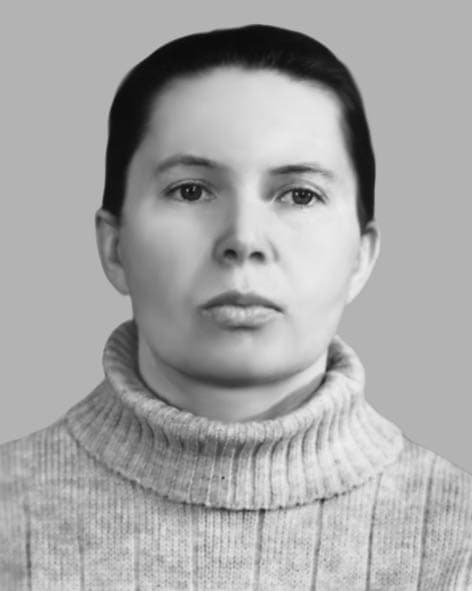
Nataliia Verhun was a Ukrainian painter based in Kharkiv, People's Artist of Ukraine (1997) and the daughter of the poet Ivan Vyrhan. Trained at the Repin Institute in Leningrad under Andrei Mylnikov, she devoted her career to the life of the Ukrainian village — harvests, field meals, self-portraits and seasonal still lifes. The Kharkiv Art Museum holds the largest body of her work, enlarged by a gift of some 400 pieces in 2025.
Liubov Panchenko
1938–2022
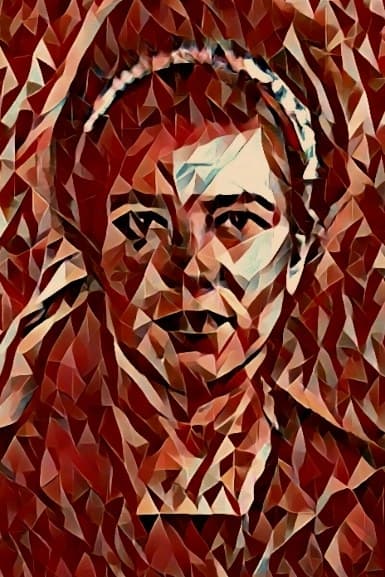
Liubov Panchenko (1938–2022) was a Ukrainian artist and fashion designer of the Sixtiers generation who worked across clothing design, textile appliqué, embroidery, watercolour, gouache and linocut, always through a Ukrainian ornamental idiom. Blacklisted by the Soviet authorities, she was never admitted to the Union of Artists and neither exhibited nor published for decades. She spent a month under Russian occupation in Bucha in 2022 and died on 30 April that year, aged 84, after starvation and exhaustion.
Vladyslav Mamsikov
1940–2020
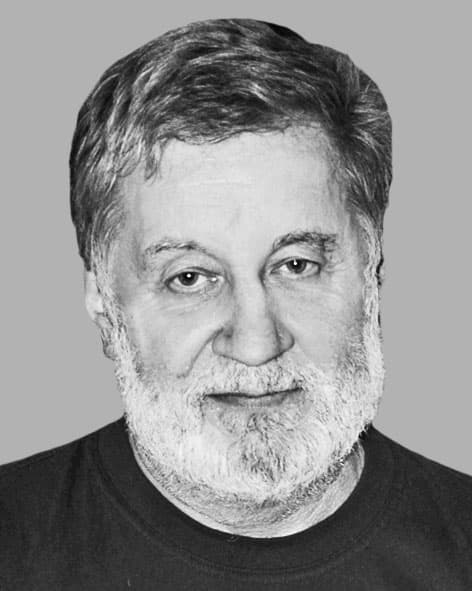
A renowned Ukrainian artist and master of tonal painting. In 1956, he enrolled in art school. From 1958 to 1963, he studied at the Kyiv Art Institute (NAOMA) under K. Trokhimenko, V. Kostetsky, and I. Shtylman. Since 1971, he has been a member of the National Union of Artists of Ukraine. Vladislav Mamsikov belongs to a group of artists who rejected academicism in painting; in the 1960s, he was one of the most consistent adherents of the “austere style”; in the 1970s, he was a romantic and metaphysician. His works are held in museum collections (the Museum of the History of Kyiv, the Museum of Modern Visual Arts of Ukraine, the Kharkiv Art Museum, the Dnipropetrovsk State Art Museum, and the Zaporizhzhia State Art Museum) and in private collections around the world.
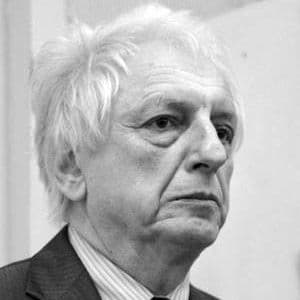
Liubomyr Medvid
b. 1941
Liubomyr Medvid, born in 1941 in the Lviv-region village of Varyazh, is one of the leading painters of the Lviv school and a professor at the Lviv National Academy of Arts. He is a People's Artist of Ukraine and a full academician of the National Academy of Arts of Ukraine, and won the Shevchenko National Prize in 2014 for his cycle «Ремінісценції». His painting moves between meticulously observed Galician landscape and large philosophical cycles on displacement, exile and Christian ethics.
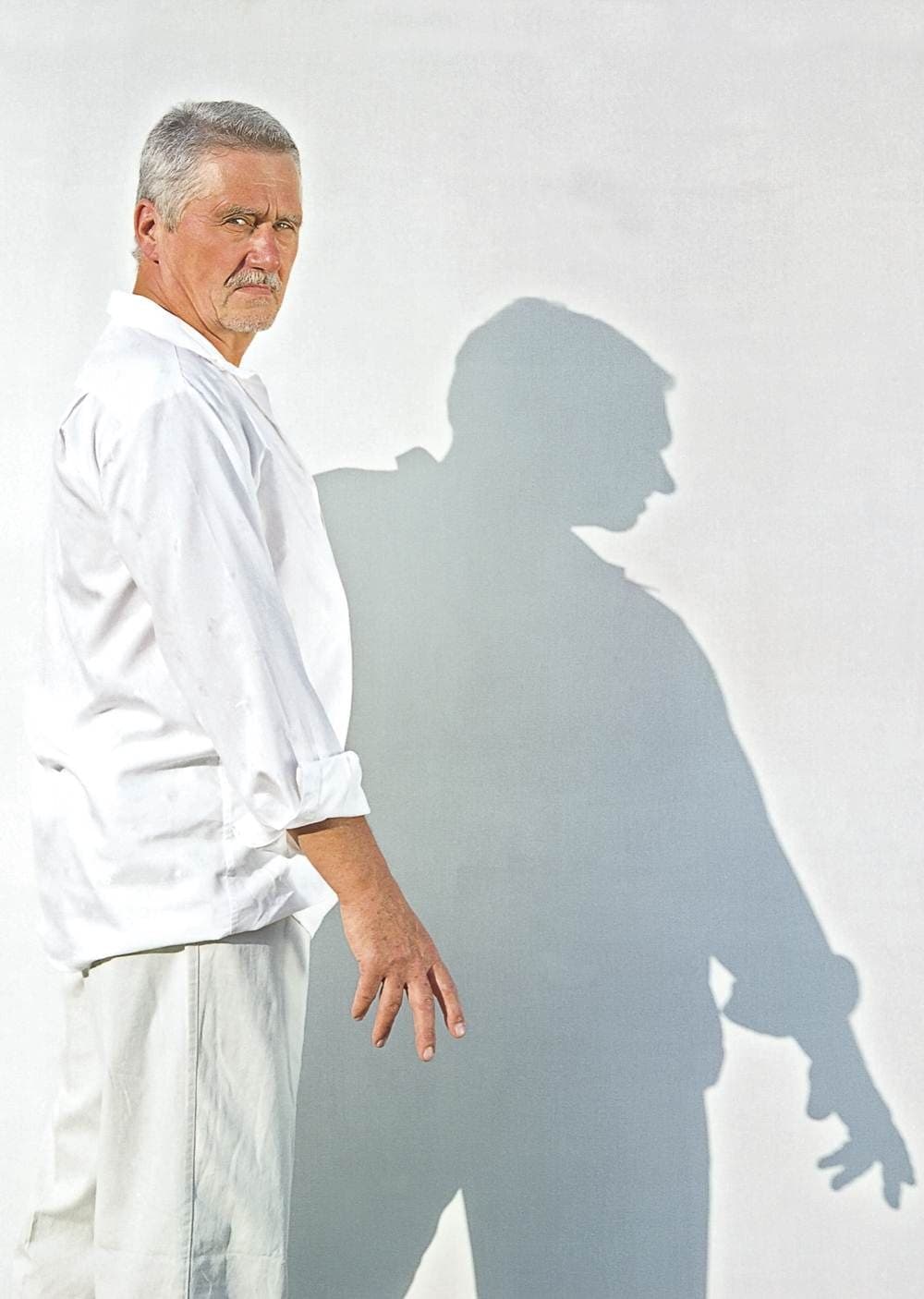
Anatolii Kryvolap
b. 1946
Anatolii Kryvolap, born 1946 in Yahotyn, is the master of Ukrainian non-figurative landscape and one of the highest-selling living Ukrainian painters. Colour is his entire subject — steppe, lake, evening, horse reduced to saturated fields of pigment — and in 2011 his canvases twice set world records for contemporary Ukrainian art at Phillips.
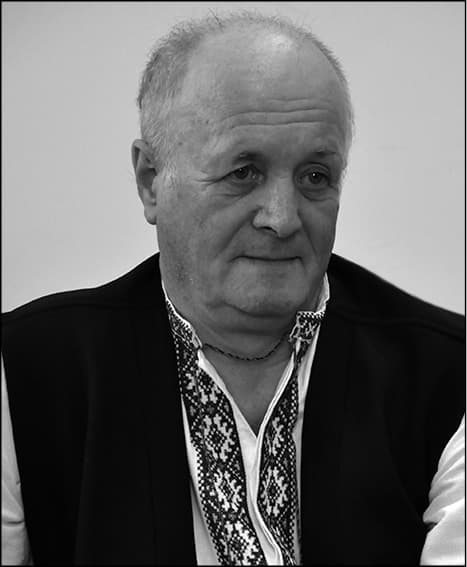
Viktor Nakonechnyi
1947–2015
Viktor Nakonechnyi was a self-taught Podillian painter, graphic artist and master of vytynanka paper-cutting and pysanka egg-painting from the embroidery village of Klembivka in Vinnytsia Oblast. He fused Ukrainian folk painting traditions with academic oil and tempera technique to build an enormous body of ethnographic village scenes, and won Ukraine's highest artistic honour, the Shevchenko National Prize, in 2009.
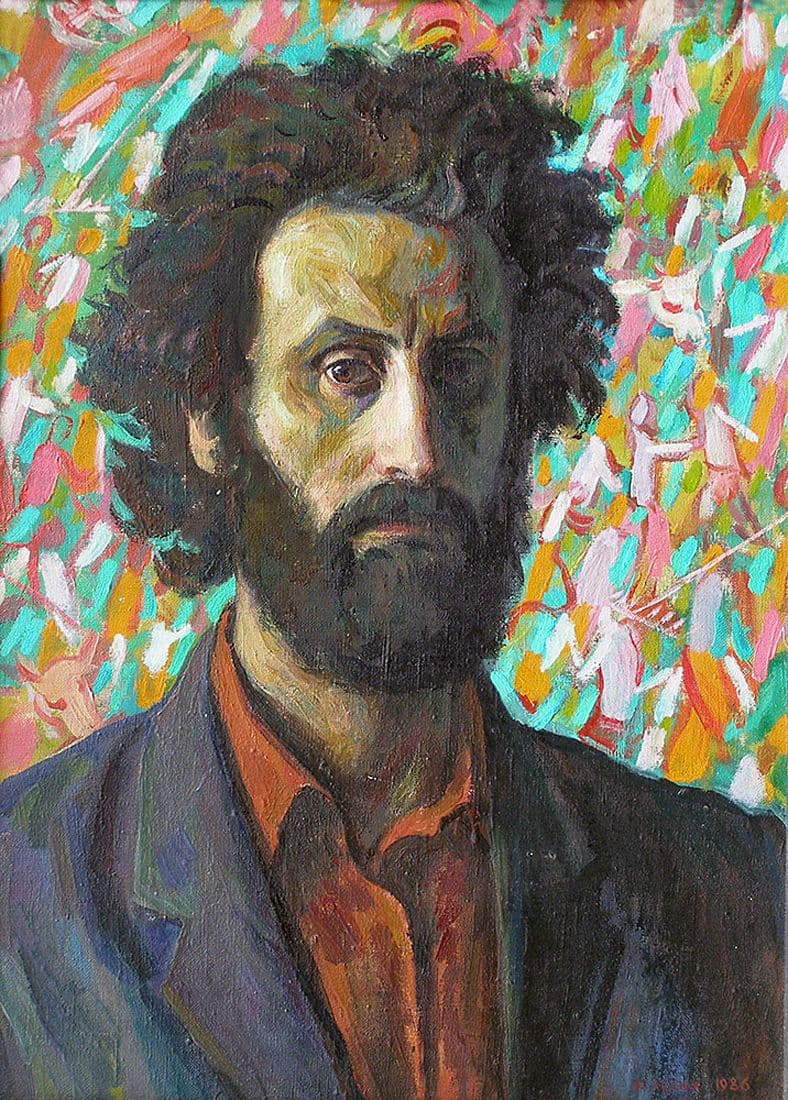
Yurii Lesiuk
b. 1947
Yurii Lesiuk is a Lviv painter, Honoured Artist of Ukraine, and head of the painting department at the Ivan Trush Lviv State College of Decorative and Applied Arts. His thematic canvases, landscapes, still lifes and portraits are emphatically national in character, mixing Hutsul and Pokuttia ritual and folk humour with a decorative, flattened treatment of form. He has taken part in more than ninety exhibitions and held eleven solo shows in Ukraine, Canada and the USA.
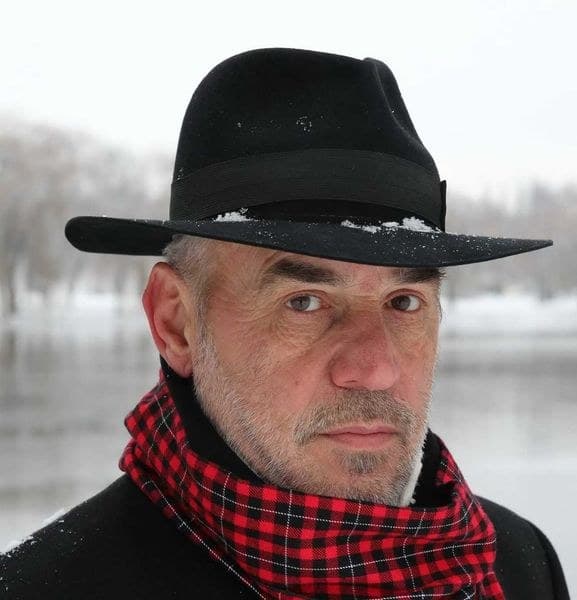
Viktor Hvozdynskyi
b. 1951
Viktor Vyacheslavovych Hvozdynskyi (born 25 February 1951 in Volodymyr-Volynskyi) is a Ukrainian painter, watercolourist and monumental artist who has worked in Rivne since 1975 and has been a member of the National Union of Artists of Ukraine since 1985. He is best known for watercolour and oil landscapes of Volyn, Polissia, the Carpathians and Central Europe, and for stained glass made with his wife Larysa Hvozdynska.
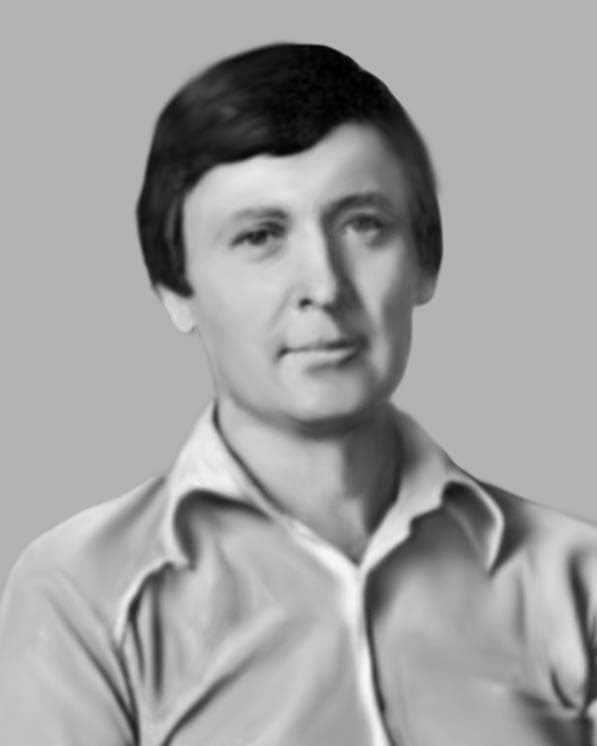
Yevhen Hordiiets
b. 1952
Yevhen Hordiiets is a Ukrainian surrealist artist. He was born in Makiivka, Donetsk Oblast. He graduated from the Kyiv State Art Institute (1971–1977), where he studied under O. Lopukhov; and the Creative Workshop of the USSR Academy of Arts in Kyiv (1978–1982), where his supervisor was S. Grigoriev. He worked at the “Artist” Creative and Production Association (1977–1991). Lecturer at the Kyiv State Art Institute (1977–1978). Member of the National Union of Artists of Ukraine (1979). Graduate student at the Creative Workshops of the Academy of Arts of the USSR in Kyiv (1978–1982). Participant in republican, all-Union, and international exhibitions (since 1977), including in Paris (1989), New York (1995), Scottsdale, and Nantucket (2001). First prize for his diploma work at the All-Union Diploma Exhibition in Vilnius (1977), First prize at the Republican Exhibition (Kyiv, 1982). Honored Artist of the Ukrainian SSR (1986). His works are held in the National Museum “Kyiv Art Gallery,” the Tretyakov Gallery in Moscow, the Cologne Museum of Modern Art, and others. Yevhen Hordiiets’ works have been sold at international auctions, and in 1990, one of his works graced the cover of a Christie’s catalog. He has lived in the United States since 1991.
Mykola Ovsiiko
b. 1954
Mykola Ovsiiko (b. 1954, Chernihiv Oblast) is an Odesa-based Ukrainian painter working almost entirely in landscape and still life. His pictures are noted for their quiet, narrative undercurrent and unorthodox painterly solutions rather than straight description. He was made a Merited Artist of Ukraine in 2018.
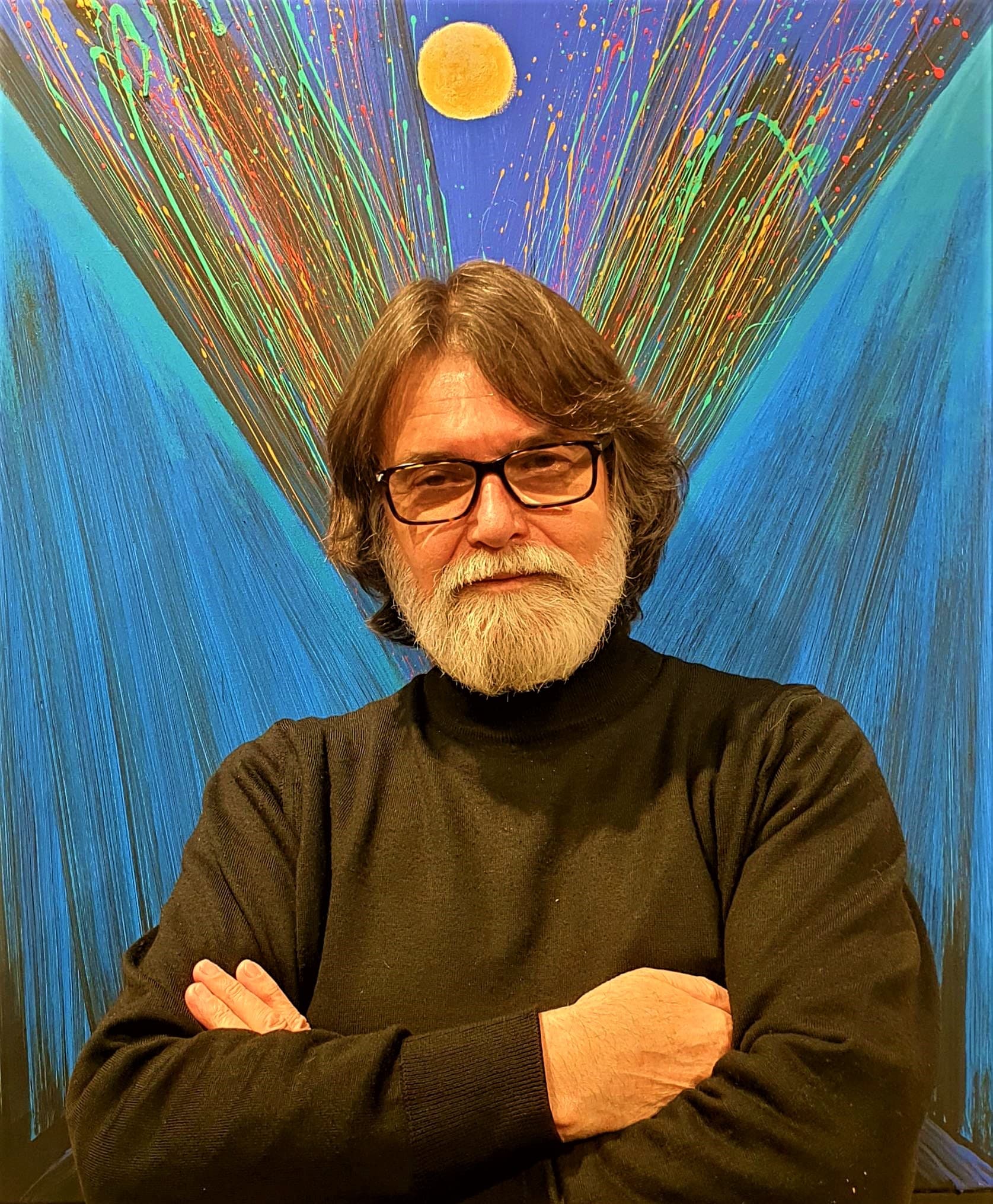
Yurii Nahulko
b. 1954
Artist, writer, philosopher, creator of hundreds of paintings, recipient of art awards, and author of books. He was born in Zdolbuniv to a family of teachers. On his father’s side, he came from a Cossack family; on his mother’s side, from Ukrainian and Polish nobility.
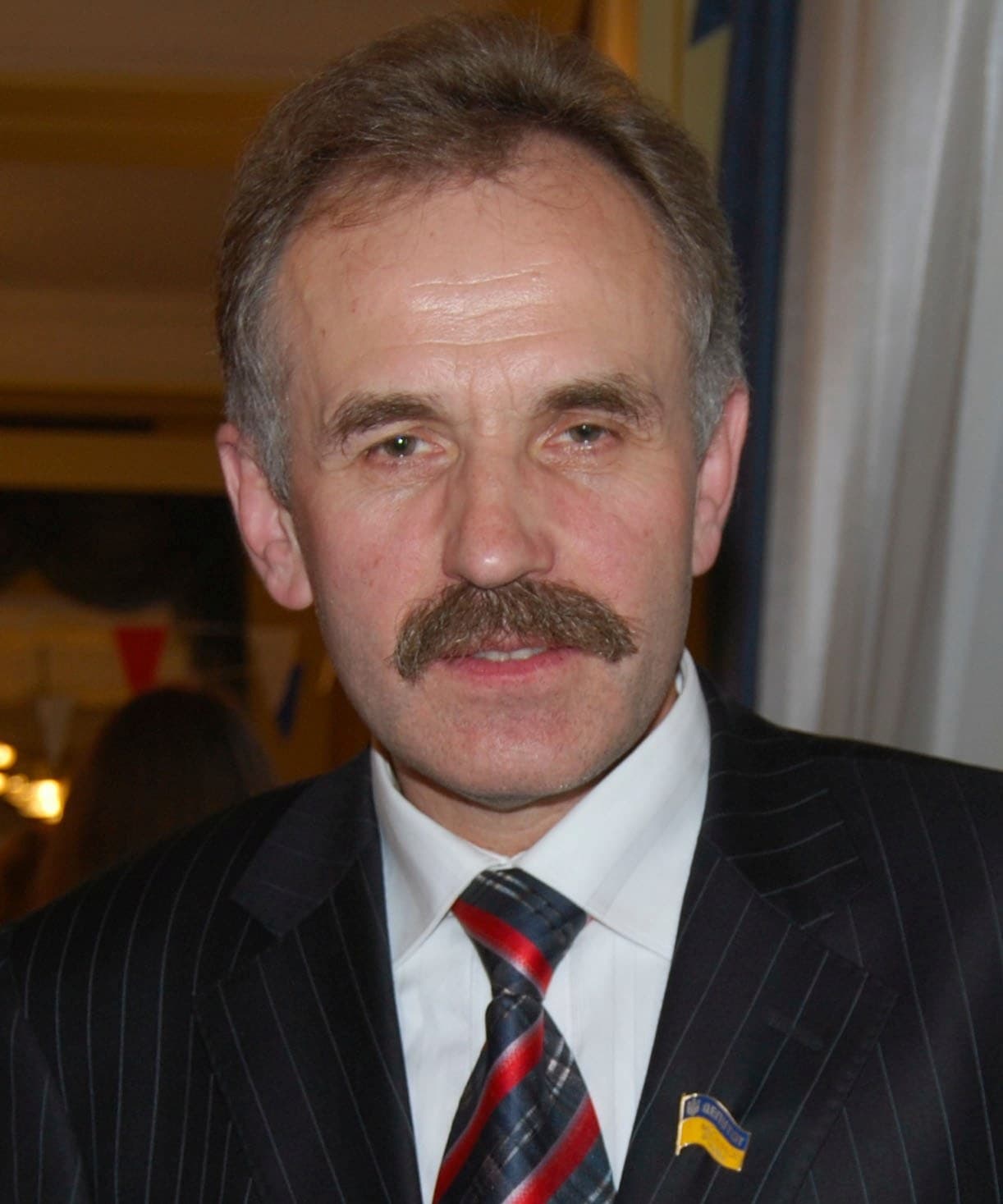
Ihor Havryshkevych
b. 1955
Ihor Havryshkevych is a Lviv painter, People's Artist of Ukraine, and for fifteen years the director of the Lychakiv Cemetery museum-reserve. His painting builds stylised figures and open, unmixed colour into large historical cycles — 'Along the Paths of Taras Shevchenko', 'Ancestors' and 'Along Cossack Trails' — that came out of his journeys across Ukraine and Kazakhstan.
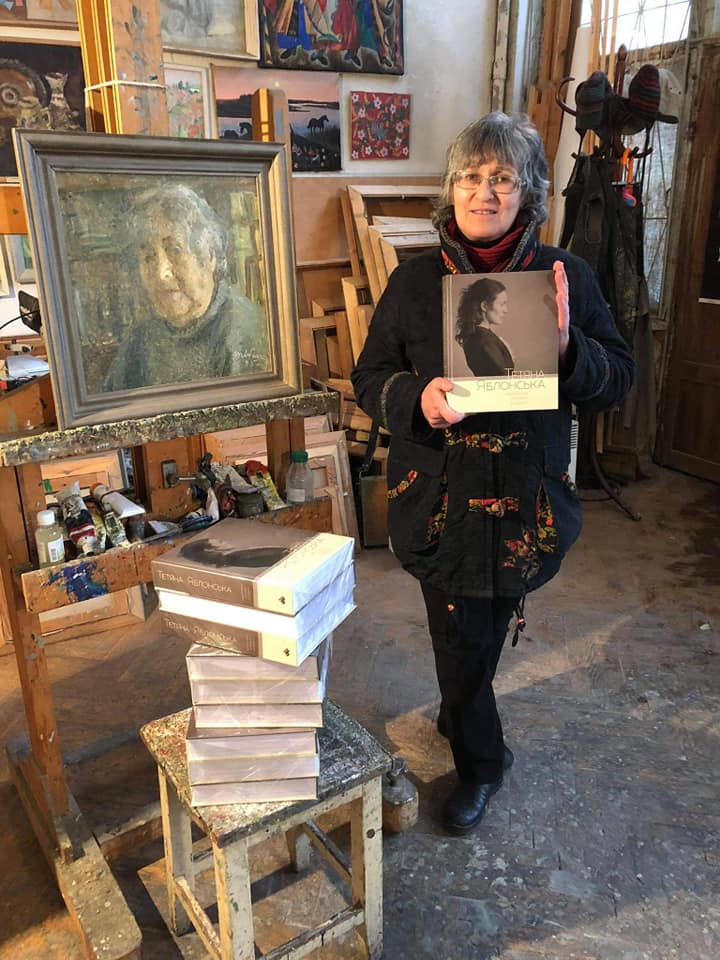
Haiane Ataian
b. 1959
Haiane Ataian is a Kyiv painter born in 1959, the youngest daughter of the Ukrainian painter Tetiana Yablonska and the Armenian-Ukrainian painter Armen Ataian. She works almost entirely in easel landscape, much of it painted on location in and around Kyiv and at the Sedniv artists' residence. Her works are held by the National Museum "Kyiv Art Gallery" and by regional museums in Khmelnytskyi and Zaporizhzhia.
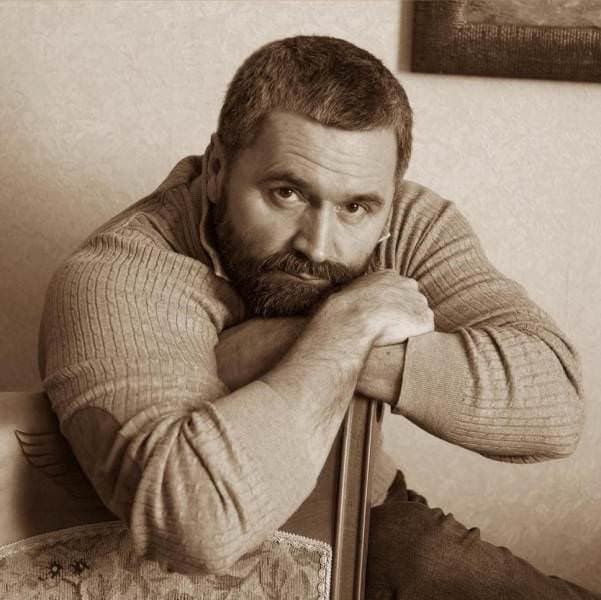
Yurii Klapoukh
b. 1963
Yuriy Klapoukh was born on March 12, 1963, in the city of Uman, Cherkasy Oblast. After graduating from high school, he enrolled in the Kharkiv Higher Military Aviation Engineering School, majoring in “Aircraft and Power Plants.” His archive contains many works in various genres, but his main focus is on classical realist landscapes and portraits, as well as genre scenes depicting rural life.
Serhii Komornyi
b. 1963
Serhii Komornyi (b. 1963, Chuhuiv) is a Kharkiv-based Ukrainian artist who works almost entirely in pastel on large-format paper, in a manner that sits between drawing and painting. He paints psychological portraits, plein-air landscapes and still lifes with a bright impressionist palette.
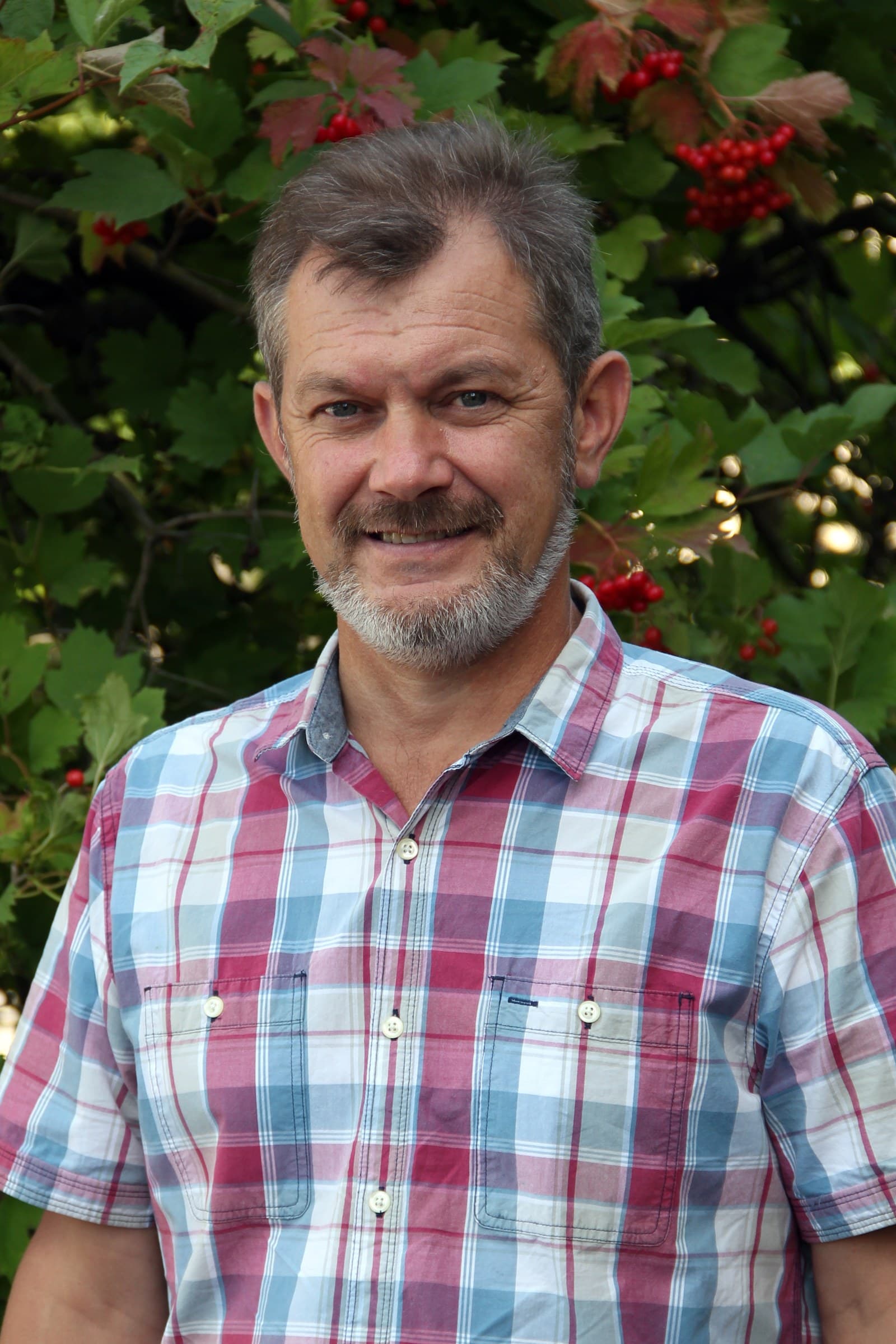
Oleh Shupliak
b. 1967
Oleh Shupliak (b. 1967, Bishche, Ternopil Oblast) is an Honoured Artist of Ukraine best known for his 'dvovzory' — double-image paintings in which a landscape or genre scene resolves, at a second glance, into a portrait. He has been called the Ukrainian Salvador Dalí.
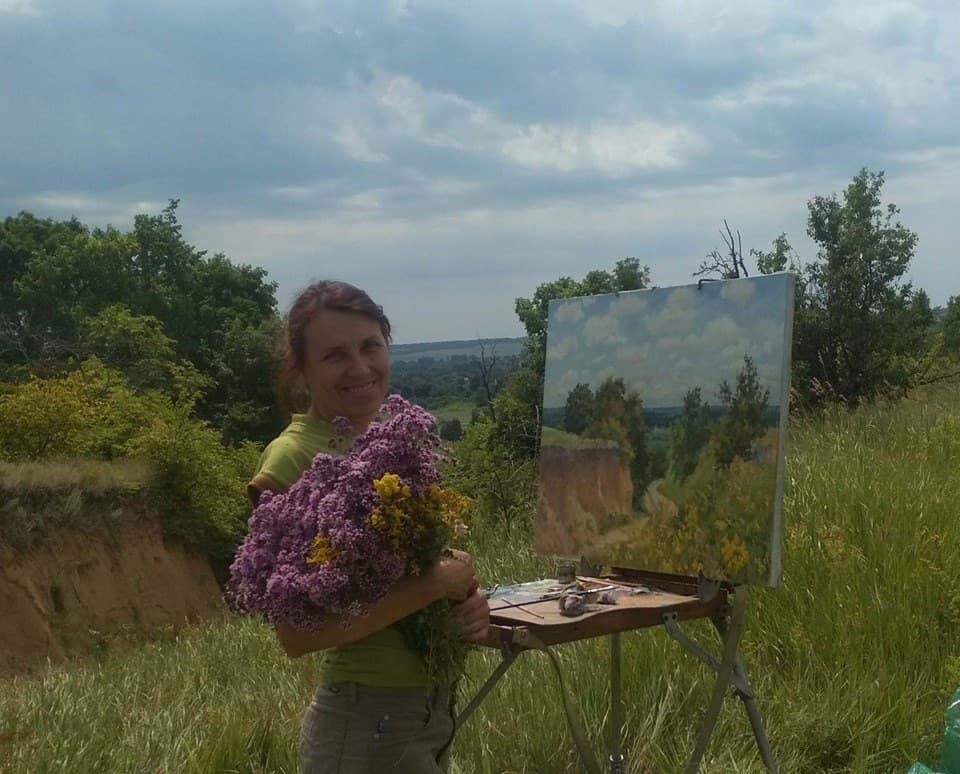
Nadiia Poluian-Vnukova
b. 1968
Nadiia Poluian-Vnukova is a Ukrainian painter born in Romny, Sumy Oblast, in 1968 and still living and working there, a member of the National Union of Artists of Ukraine since 2004. Trained first as a decorative painter and textile designer, she paints minutely detailed, sunlit interiors, still lifes of wild flowers in ceramic jugs, and scenes of Christmas and childhood in her native Romny district.
Ihor Khilko
b. 1969
Ihor Khilko (b. 1969, Sokyriany) is a Ukrainian painter, icon restorer and academic based in Chernivtsi. He paints Carpathian landscapes, still lifes and seasonal subjects in a figurative, light-driven manner, and has restored icons of the Dniester Bukovyna region. He is a member of the National Union of Artists of Ukraine and an associate professor at Yuriy Fedkovych Chernivtsi National University.
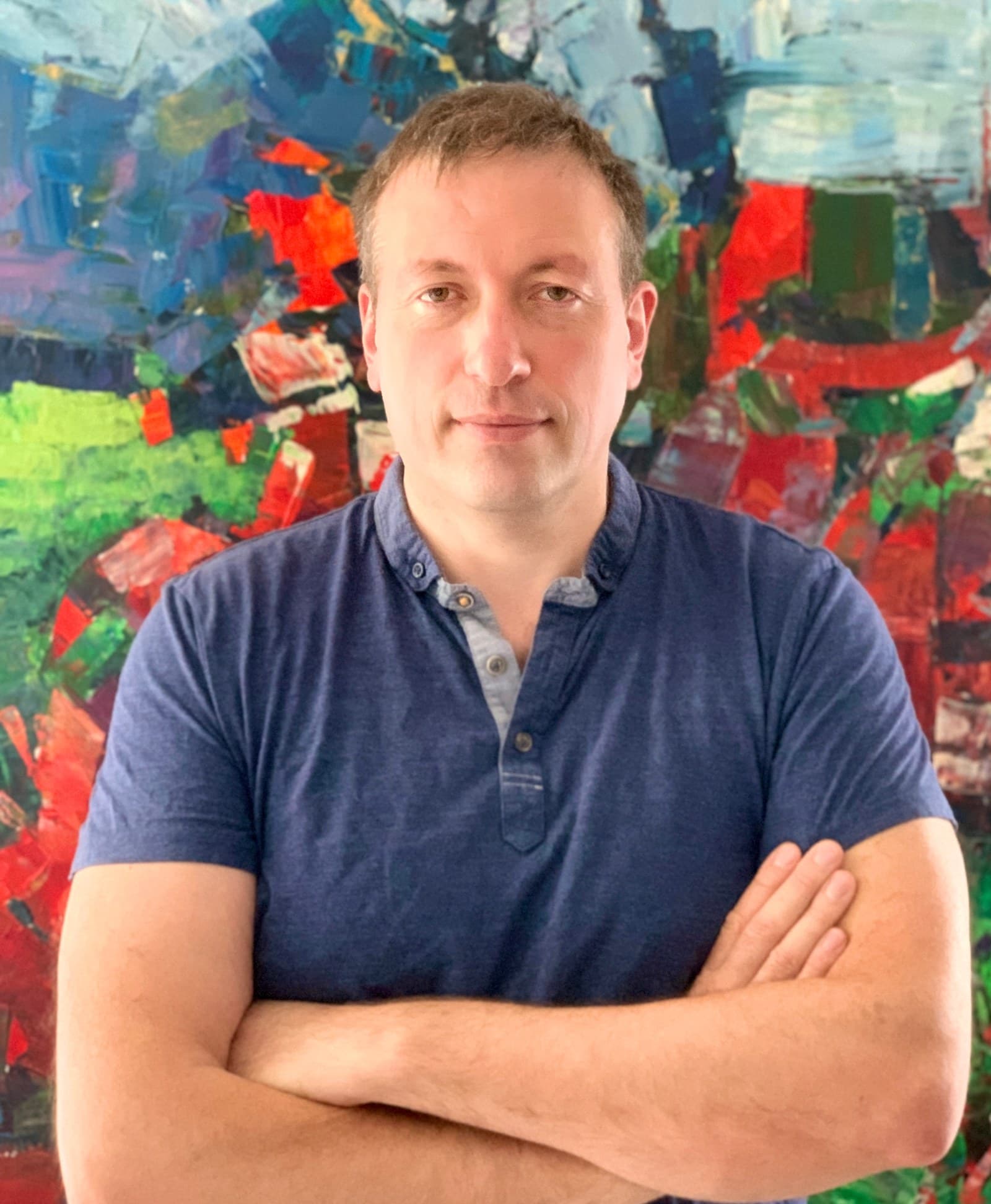
Yurii Vatkin
b. 1975
Yurii Vatkin is a Kharkiv-based abstract painter who moved from realism through expressionism to a colour-driven abstraction rooted in nature. He works in thick, visually tactile impasto strokes, treating each canvas as a record of his emotional state at the moment of painting. A member of the National Union of Artists of Ukraine since 2008, he has exhibited in Kharkiv, Kyiv, Prague, London, Milan, Luxembourg, Glasgow and New York.
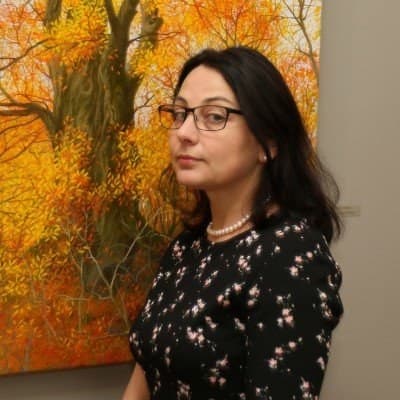
Olha Kvasha
b. 1976
Olha Kvasha is a contemporary Ukrainian painter born in Lutsk in 1976 and based in Lviv, a 1999 graduate of the Lviv Academy of Arts. She paints dreamlike, faintly naive Ukrainian landscapes — orchards, snowy village streets, river valleys and hillsides — in which an ordinary scene is tilted toward fairy tale.
Anna Yarmoliuk
b. 1977
Anna Yarmoliuk is a Ukrainian self-taught painter born in 1977, reported to live in Kharkiv and to work as a librarian. She paints small naive-art scenes in oil pastel on paper and cardboard — snowy streets, wooded roads, women and children walking with dogs — with a warm, lyrical view of unhurried small-town life.
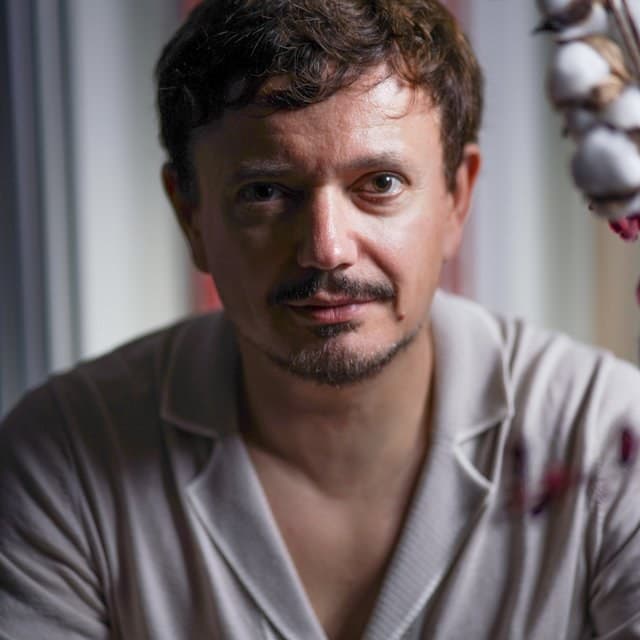
Oleh Savka
b. 1978
Oleh Savka is a contemporary Ukrainian painter, designer and architect who lives in the old town of Kyiv and paints its streets, courtyards and churches with a palette knife. Trained as a furniture and interior designer, he turned intensively to painting in 2022 and by early 2026 had completed some ninety-nine canvases.
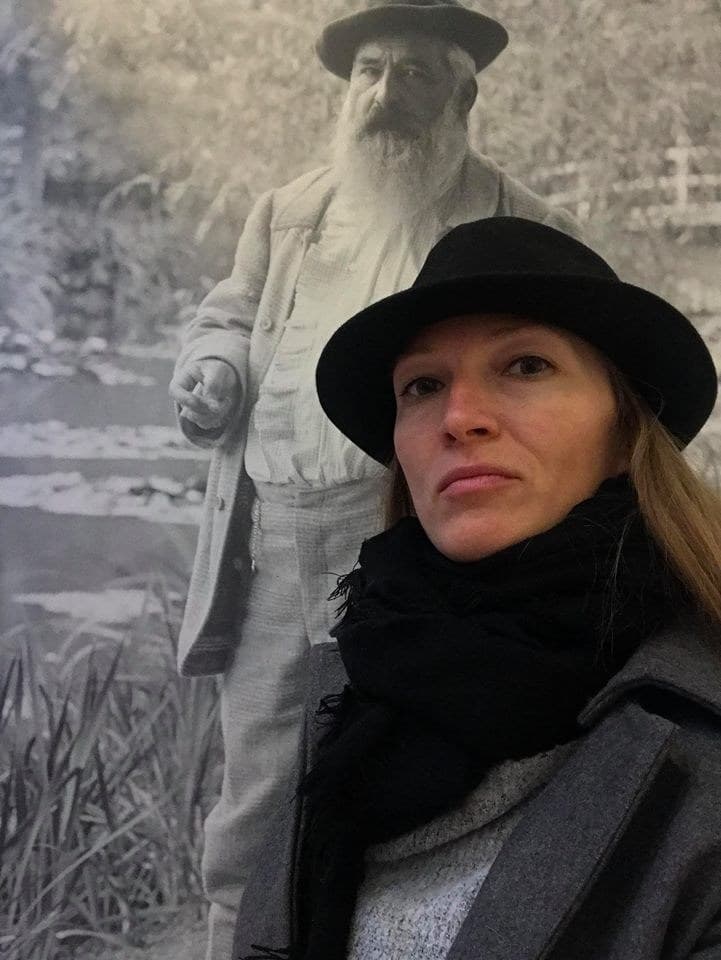
Kateryna Kosianenko
b. 1978
Kateryna Kosianenko is a Kyiv painter and icon-painter whose figurative work fuses Ukrainian Baroque iconography with Renaissance composition and an impressionist feel for landscape light. Honoured Artist of Ukraine (2019) and a member of the National Union of Artists of Ukraine since 2002, she works almost entirely in themed series. She has held more than 35 solo exhibitions and won first prize in painting at the 100th Salon d'Automne in Paris (2003).
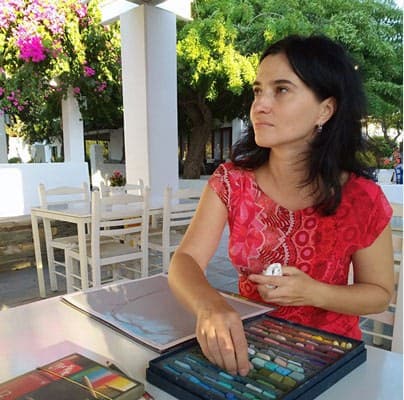
Vira Kavura
b. 1978
Vira Kavura is a Kyiv-based artist who works almost exclusively in soft pastel, and mainly with flowers. She paints from live bouquets in natural light, building each composition around a dominant bloom, and has produced more than three hundred realist floral pastels. She is an associate artist of Unison Colour and teaches pastel technique through video courses and international workshops.
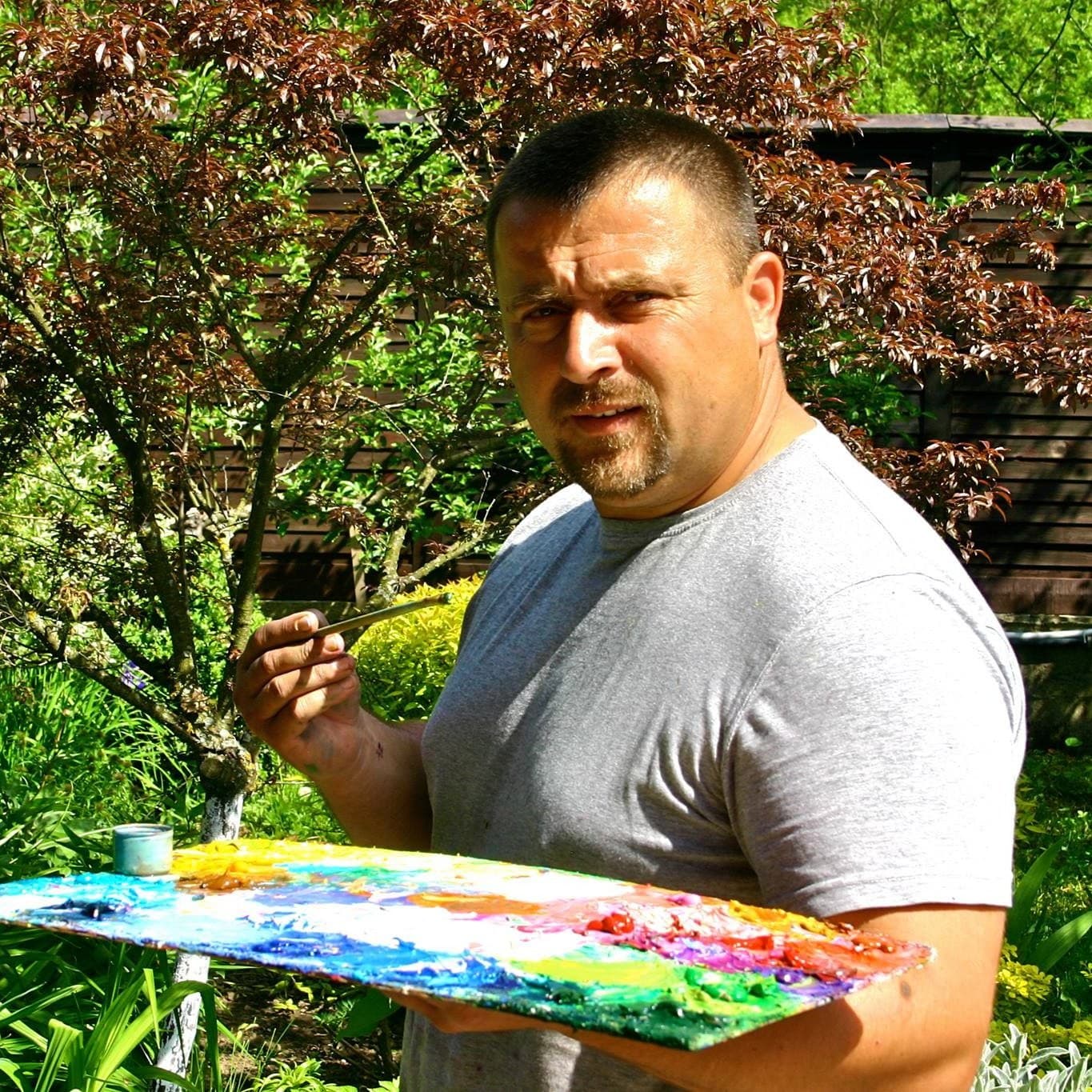
Oleksandr Shandor
b. 1981
Oleksandr Shandor (born 1981 in Vynohradiv, Transcarpathia) is a Ukrainian landscape and still-life painter of the Transcarpathian school, working in oil in a warm impressionist manner. He joined the folk creative association "Verkhovynskyi Khudozhnyk" in 2007 and the youth union "Artists of Transcarpathia" in 2012.
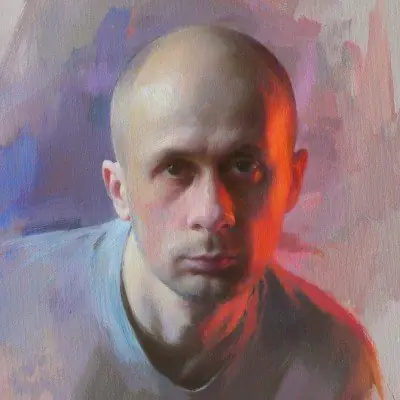
Serhii Poliakov
b. 1982
Serhii Poliakov (b. 1982) is a Kyiv-based Ukrainian painter known for atmospheric cityscapes of Kyiv — Khreshchatyk, Bessarabska Square, the Dnipro bridges — as well as portraits and historical battle scenes. He paints in oil with heavy layering and expressive brushwork drawn from the Impressionists and Post-Impressionists.
Denys Horodnychyi
b. 1984
Denys Horodnychyi (b. 1984) is a Ukrainian landscape painter based in Poltava. He works in oil on canvas and cardboard, mostly at small scale, on the rivers, fields and coastlines of Ukraine and occasional Mediterranean subjects. His stated aim is to catch the changing states and moods of nature rather than to describe a place.
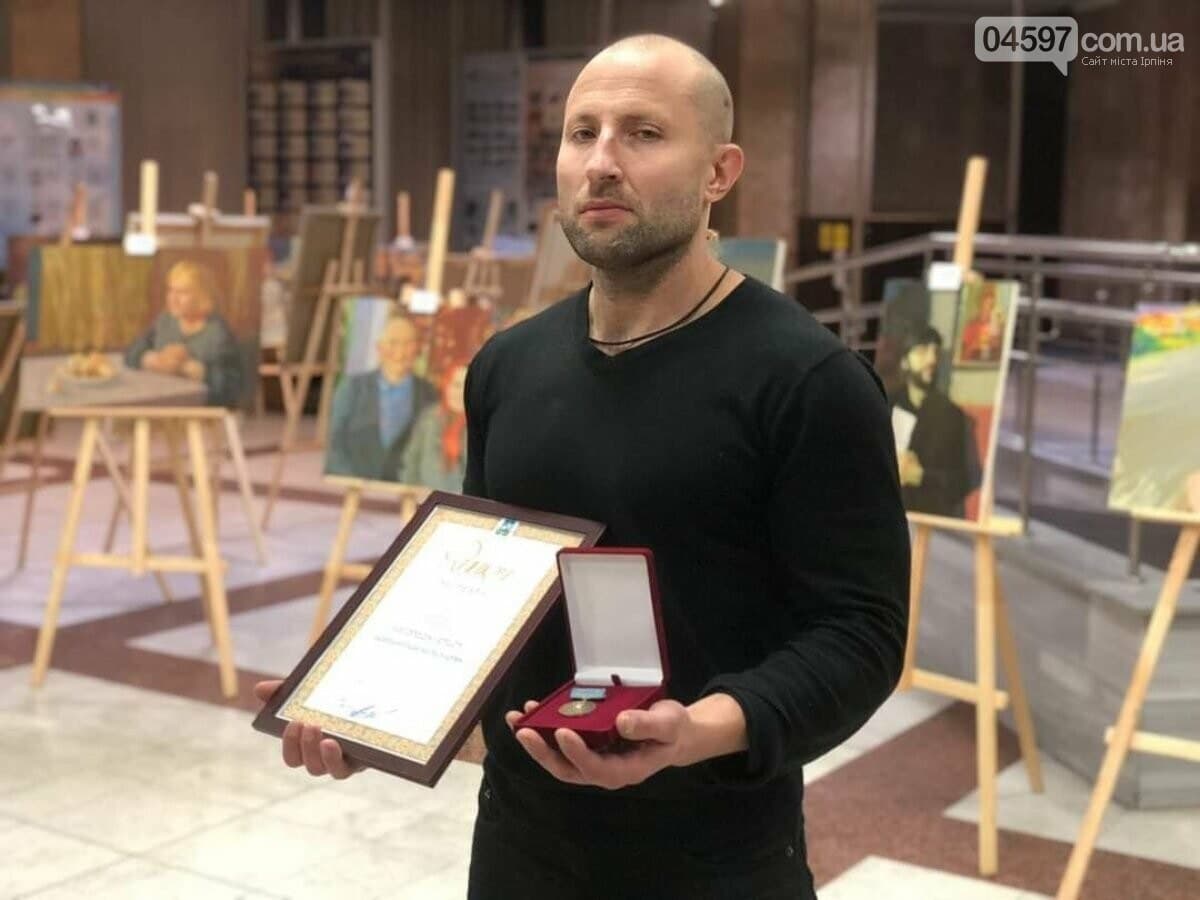
Vladyslav Zadvorskyi
b. 1984
Vladyslav Zadvorskyi (b. 1984, Shpola) is a Ukrainian painter based in Irpin near Kyiv who works in an impressionist and realist idiom. He paints landscapes, portraits and figurative compositions, and since 2022 has documented the wartime history of Irpin.
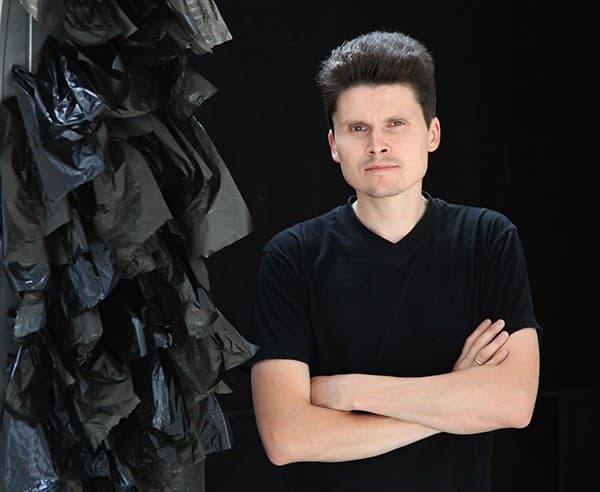
Anton Lohov
b. 1984
Anton Lohov (b. 1984, Rozdilna, Odesa Oblast) is a Kyiv-based Ukrainian artist working in painting, objects and installation. His practice moves between abstraction and industrial imagery — power lines, mine shafts, depots, climate control — and since 2022 has turned directly to the Russian invasion, including paintings made on salvaged air-defence missile containers. He teaches installation at the School of Contemporary Art in Kyiv.
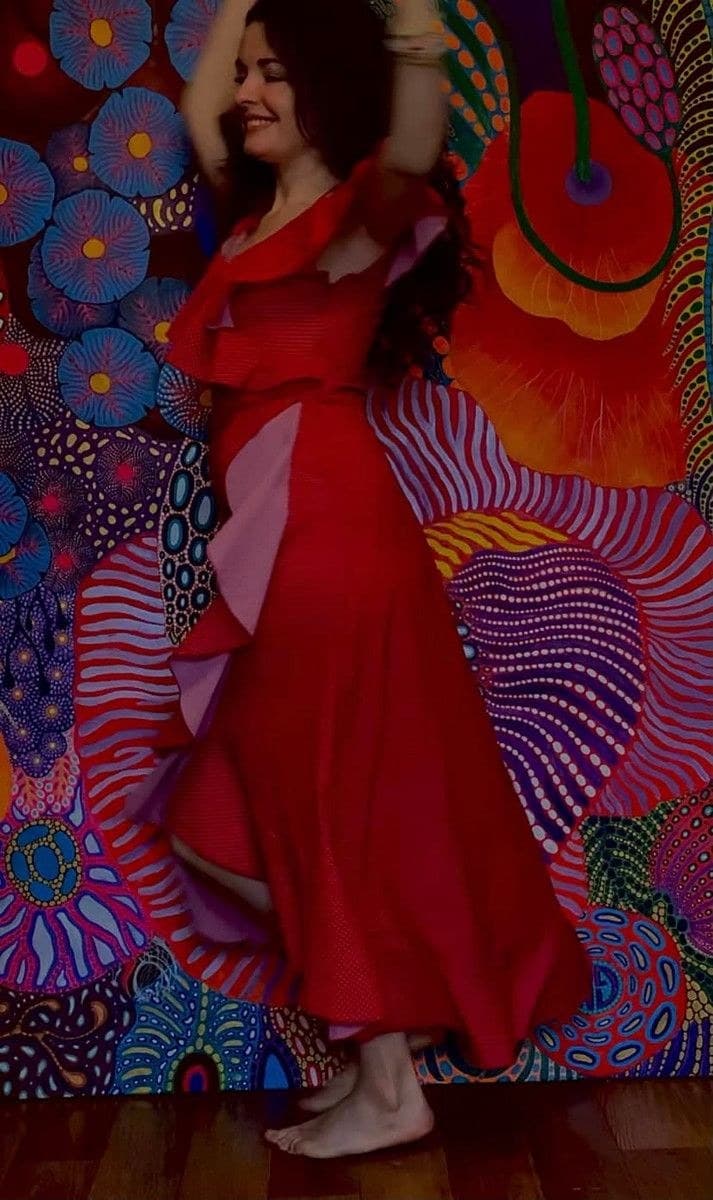
Mariia Holub
b. 1990
Mariia Holub is a Ukrainian painter based in Cherkasy, born in 1990, who studied painting, graphics and design at the National Academy of Fine Arts and Architecture in Kyiv. She paints in acrylic on canvas, combining magical realism with op-art and pixel-like patterning in vivid, near-fluorescent colour. The Cherkasy Regional Art Museum gave her a solo exhibition, «Мереживо нескінченності» (Lace of Infinity), in 2022.
Yevhen Cherniakovskyi
b. 1993
Yevhen Cherniakovskyi (listed commercially as Evgeny Chernyakovsky) is a Ukrainian painter born in 1993 who studied at K. D. Ushynskyi university in Odesa. He works in thick, high-impasto oils on canvas, returning repeatedly to water lilies, ponds and river surfaces in a broadly impressionist manner.
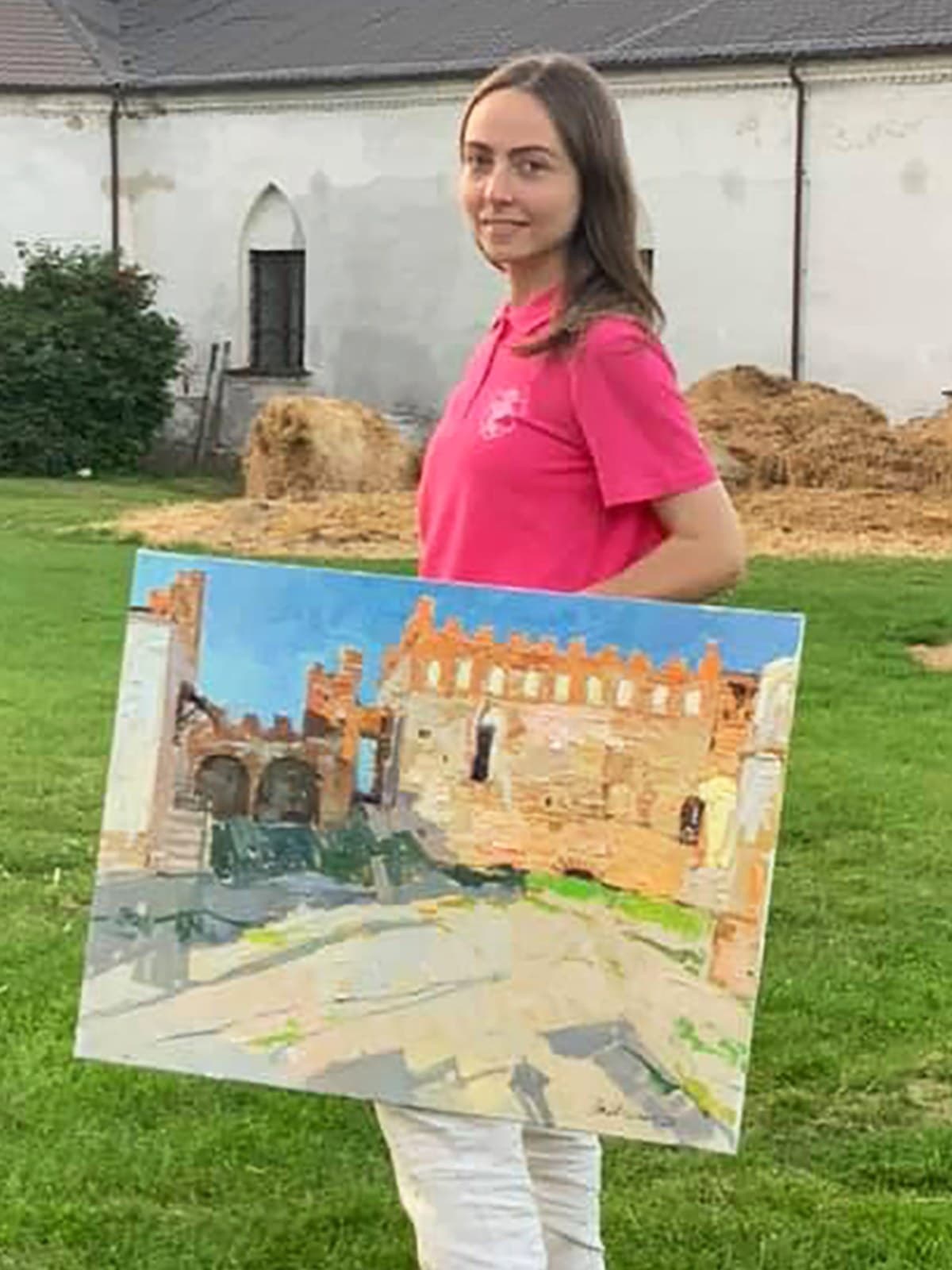
Zlata Shyshman
b. 1995
Zlata Shyshman is a contemporary Ukrainian painter from Izmail, working in Odesa. Born in 1995 into the family of the Merited Artist of Ukraine Ivan Shyshman, she paints plein-air landscapes, Odesa courtyards and streets, still lifes and portraits in a bright, sunlit contemporary impressionism, and has been a member of the National Union of Artists of Ukraine since 2018.
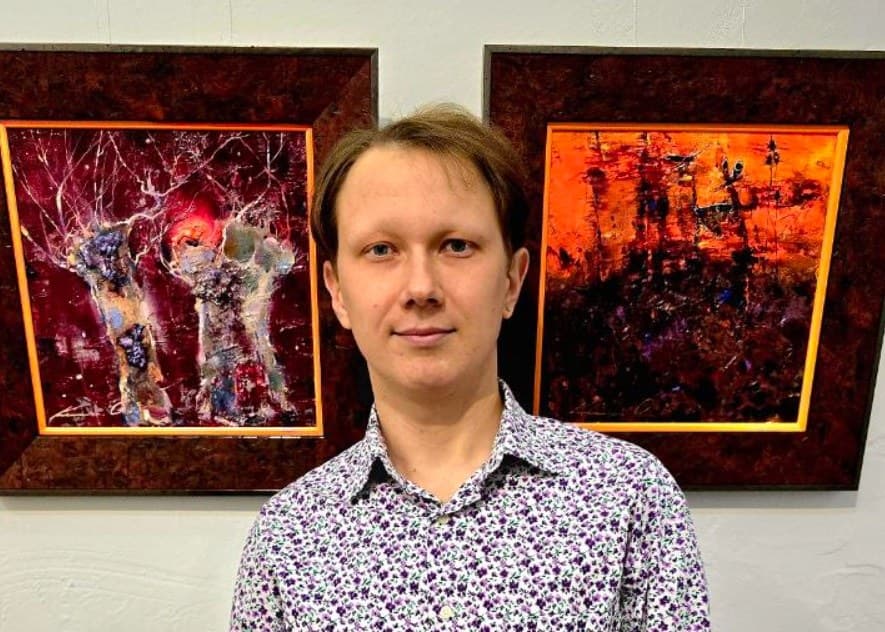
Orest Kuziv
b. 1997
Orest Kuziv is a Ukrainian painter born in 1997 in Ivano-Frankivsk, and a member of the National Union of Artists of Ukraine. Working chiefly in oil, he is known for nocturnal landscapes and for a long-running series of paintings of haystacks. He describes himself as an impressionist and has produced more than a thousand works.
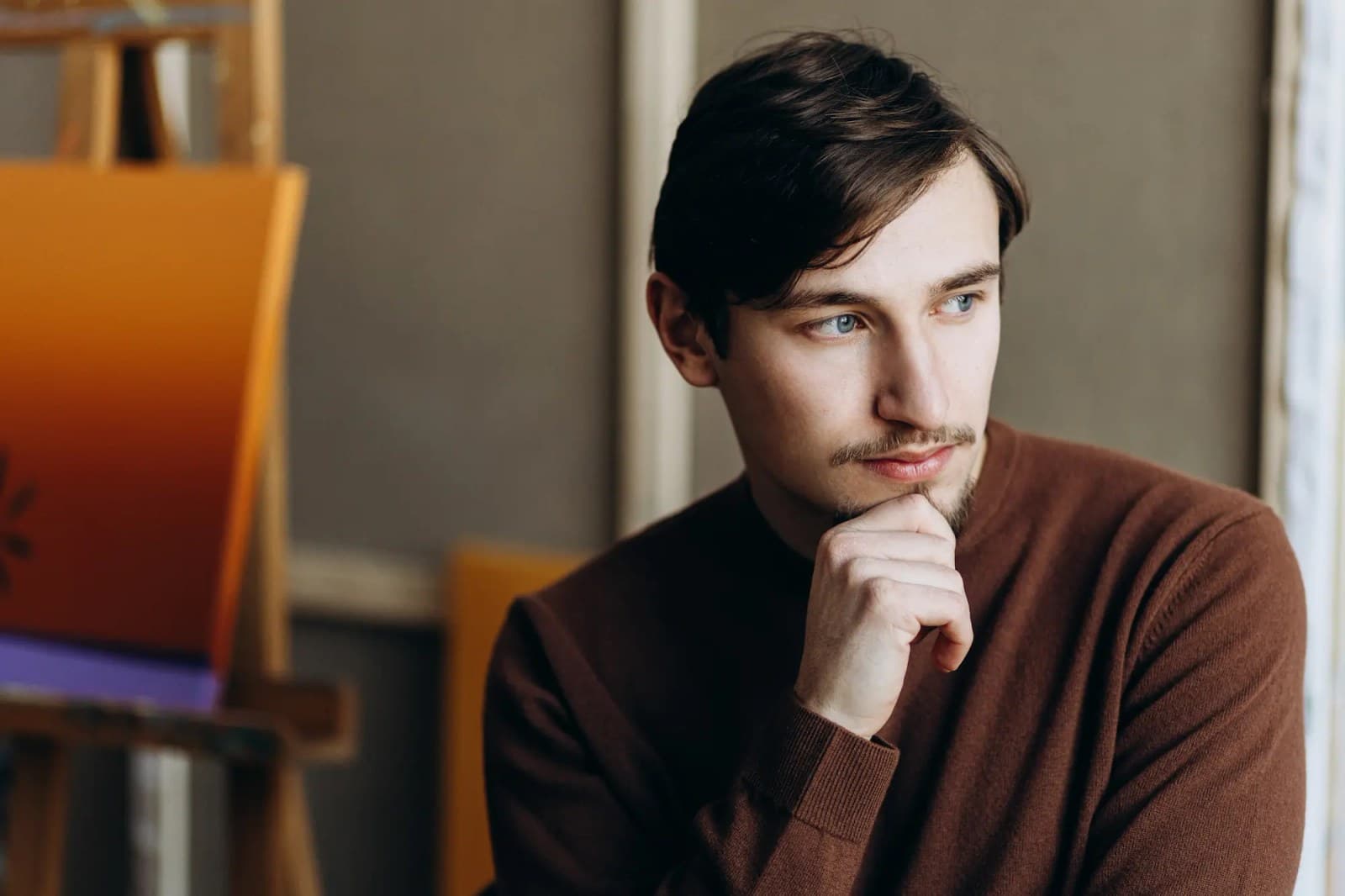
Maksym Polyvianyi
b. 1999
Maksym Polyvianyi (b. 1999, Kharkiv Oblast) is a Ukrainian painter of near-monochrome, minimalist landscapes in acrylic. He paints the Ukrainian village at dusk and at night — a lit window, a stork's nest, fog in a hollow — reducing each scene to a few tonal values.
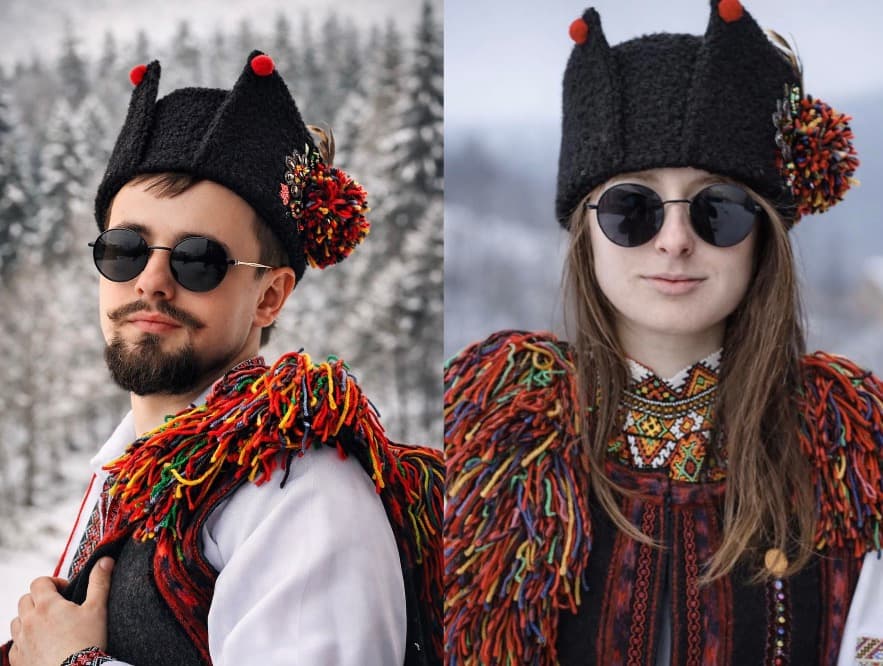
Yurii & Khrystyna Todoruk
b. 2000
Yurii and Khrystyna Todoruk, artists from the Carpathian region, create works inspired by Hutsul traditions. Yurii was born in 2000, and Khrystyna was born in 2001. Both artists graduated from the Kosiv Institute of Applied and Decorative Arts at the Lviv National Academy of Arts.
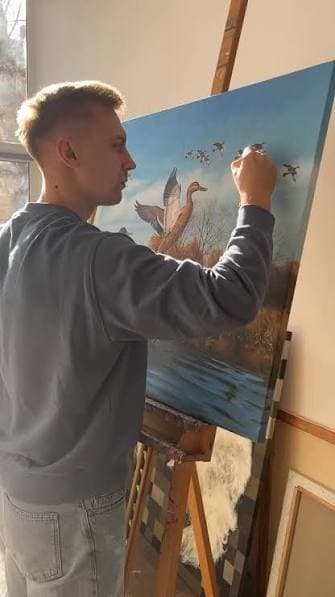
Anatolii Misiuk
Anatolii Misiuk is a contemporary Ukrainian landscape painter working in Lviv. He paints wide, luminous skies, cloudscapes and quiet cityscapes in oil and acrylic on canvas, and is also a doctoral researcher at the Kharkiv State Academy of Design and Arts, where he studies abstraction in Ukrainian postmodern painting.
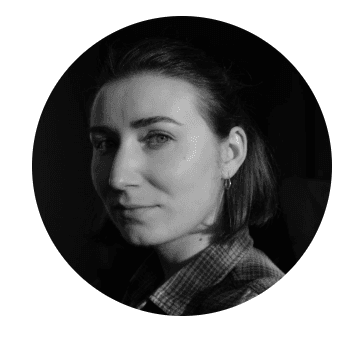
Ilona Shymchyts
Ilona Shymchyts is a Ukrainian painter and relief-carver from the Borshchiv district of Ternopil Oblast, trained at the Lviv National Academy of Arts and based in Lviv. Her work moves between geometric abstraction in acrylic on paper and quiet, meditative rural landscapes in which village architecture carries a sense of calm and rootedness. She has shown in Kyiv, Kharkiv, Lviv and Borshchiv as well as in Canada and Poland.
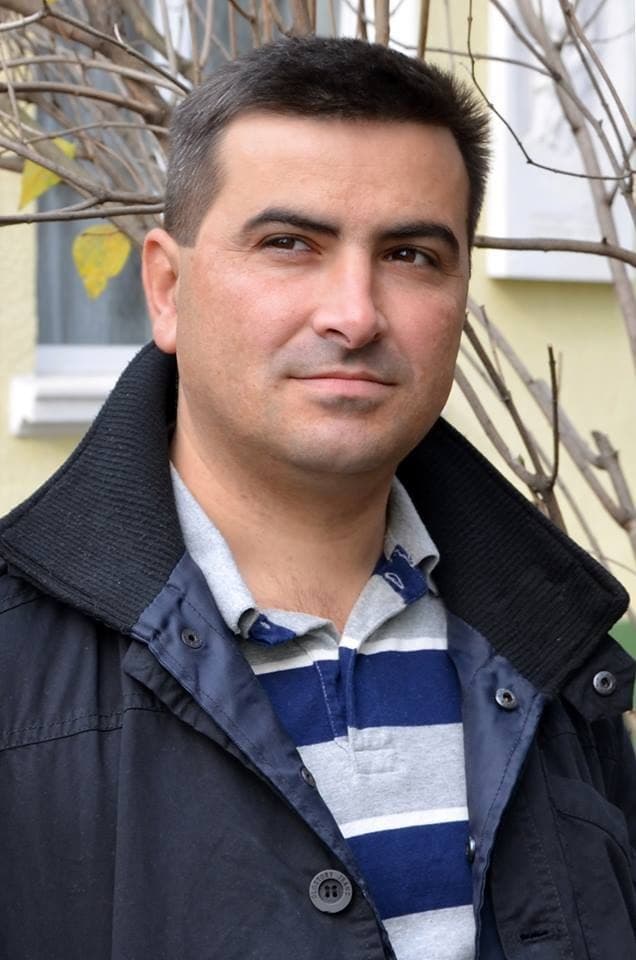
Mykola Yatsurak
Mykola Yatsurak is a Ukrainian painter from Velykyi Kliuchiv in Ivano-Frankivsk Oblast, now living in Kolomyia, where he teaches at the Yaroslav Pstrak Art School. A member of the National Union of Artists of Ukraine, he paints Hutsul village life, weddings and Carpathian landscapes.
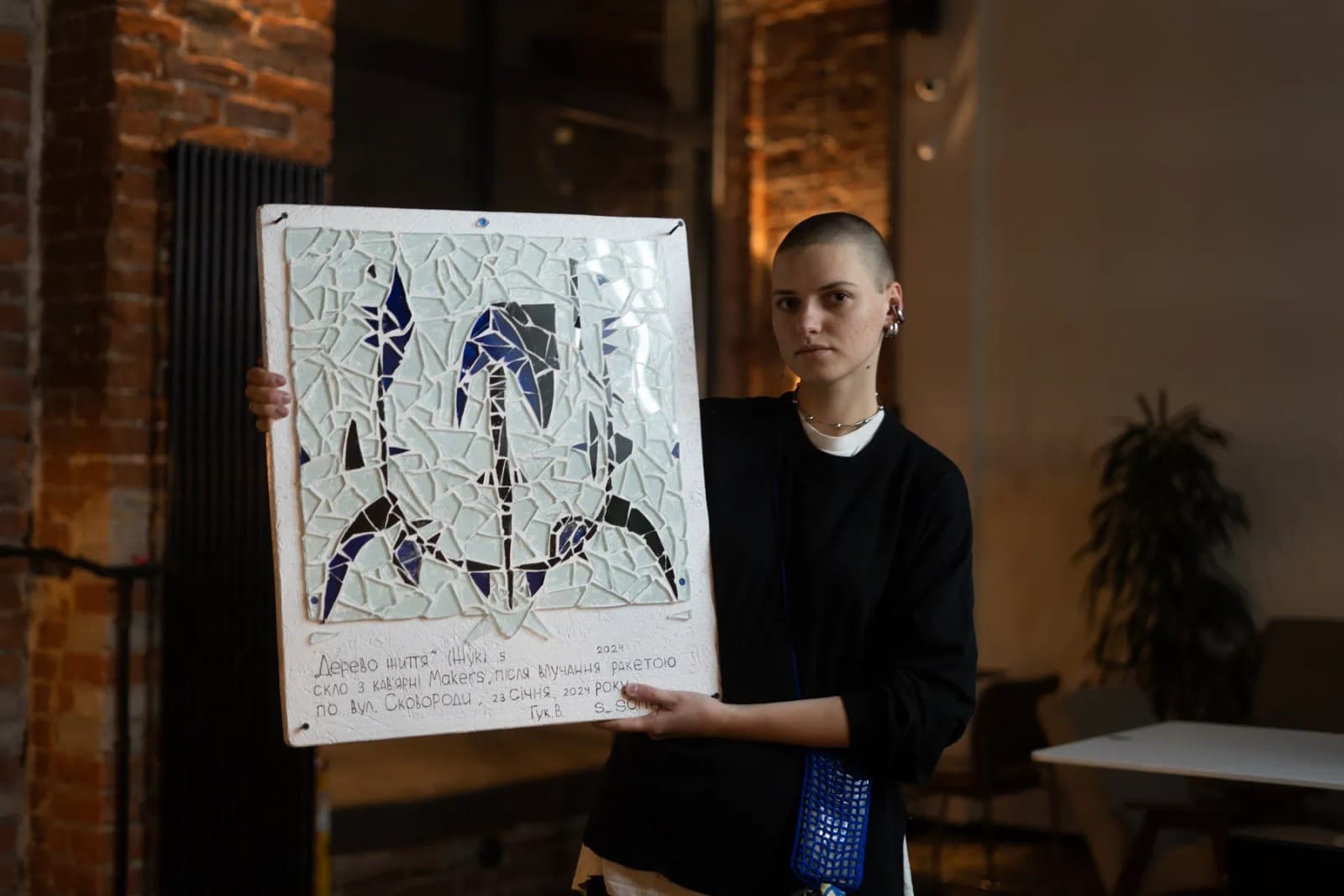
Valentyna Huk
Valentyna Huk, who signs her work "Sonce" ("Sun"), is a young Kharkiv artist who makes mosaics from window glass shattered by Russian missile and drone strikes. She collects the fragments at the impact sites and mounts the finished panels on facades and interiors at or beside the same locations, in a series titled "Tree of Life". Alongside the mosaics she draws in watercolour pencil, acrylic and pastel, and teaches drawing to children and adults.
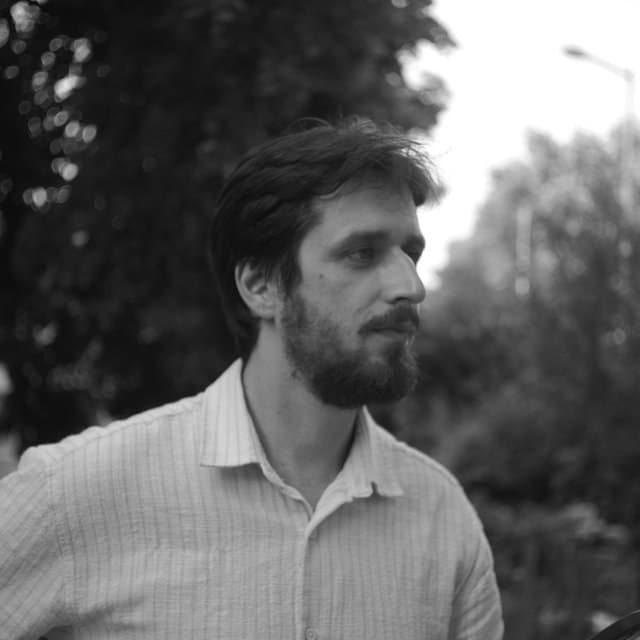
Oleksandr Shcherbyna
Oleksandr Shcherbyna is a contemporary Ukrainian painter and pastellist based in Odesa who sells internationally through Saatchi Art, where he has listed work since 2017. He paints small-format landscapes, seasonal studies and still lifes in oil on canvas and pressed cardboard, and works extensively in pastel on paper.