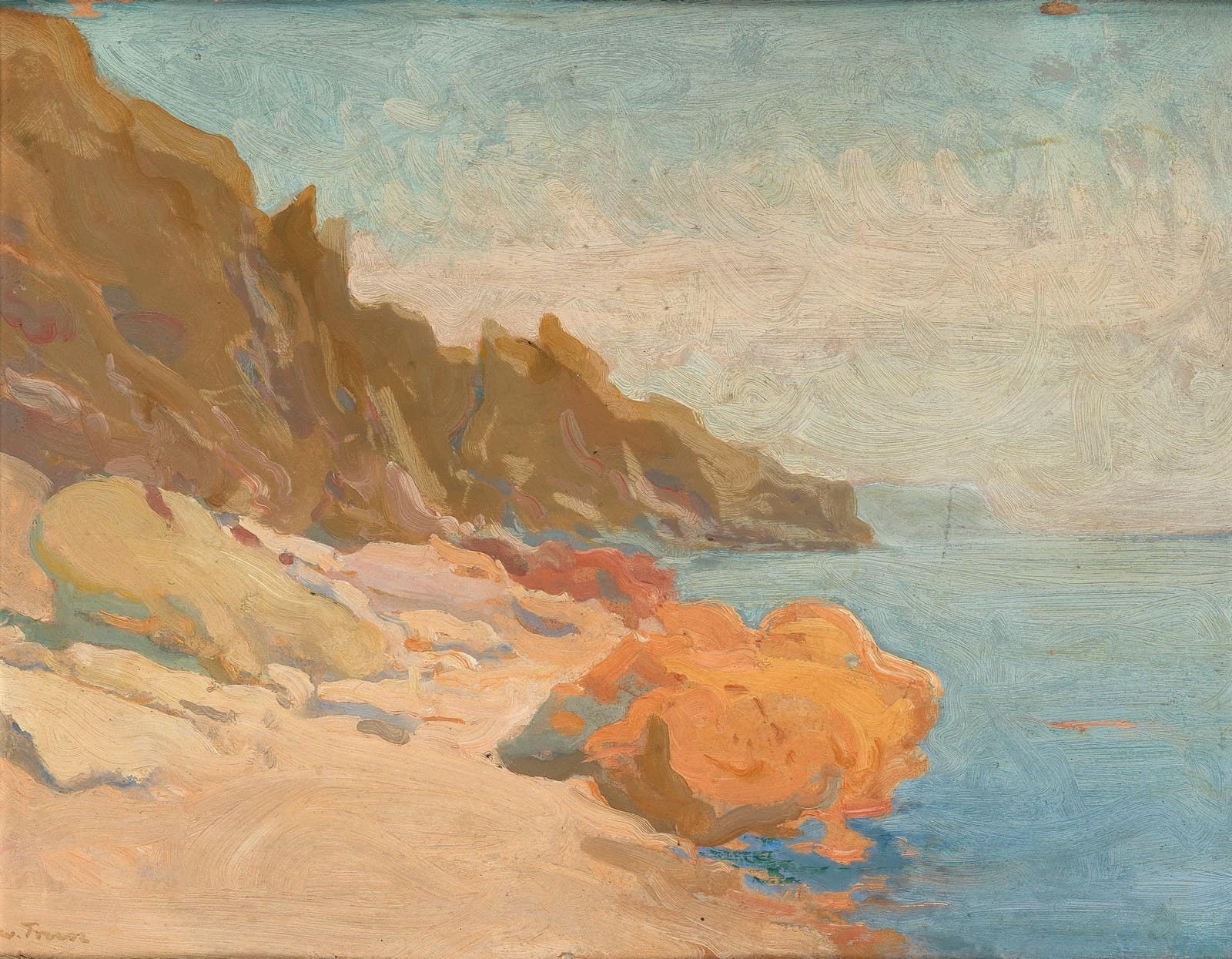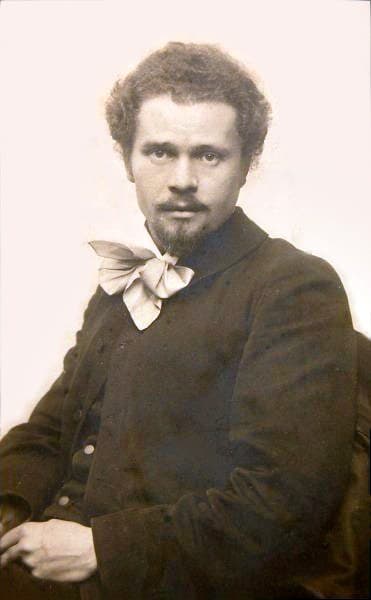
One of the foremost Ukrainian Impressionists; ~6,000 works; central to founding the Lviv National Museum; painted luminous landscapes and portraits of Ukrainian cultural figures.
Art Movements
Impressionism
Impressionism was a 19th-century French art movement (1870s-1880s) that revolutionized Western art by capturing fleeting moments and the shifting effects of light using visible brushstrokes, open composition, and vibrant colors. Focusing on modern life and landscapes, key artists included Claude Monet, Pierre-Auguste Renoir, Camille Pissarro, and Berthe Morisot. Usage Examples & Characteristics: Plein Air Painting: Painting outdoors to capture natural light, such as Monet’s studies of Rouen Cathedral or haystacks in varying weather conditions. Visible Brushwork: Thick, rapid, or broken brushstrokes intended to convey a sense of motion and the ephemeral nature of a scene. Everyday Subjects: Depicting leisure activities, urban life in Paris, or landscapes rather than historical or mythological scenes. Unusual Visual Angles: Inspired by photography, artists like Degas used candid-style, unconventional framing of subjects, such as dancers or laundresses. "Impressionist Music": A similar approach in music and dance, focusing on mood and atmosphere over rigid structure, with artists like Claude Debussy and Maurice Ravel.
Explore movement →Post-Impressionism
Post-Impressionism (c. 1886–1905) was a French art movement that reacted against the limitations of Impressionism, favoring emotional expression, symbolic content, and structural order over realistic light depiction. Key artists included Cézanne, Van Gogh, Gauguin, and Seurat, who used vivid, unnatural colors and thick paint application to create unique styles that paved the way for modern art. Key Characteristics Symbolic and Emotional Content: Pushing beyond the objective recording of nature to express subjective emotions and symbolic meaning. Structural Order: A move away from fleeting moments toward, as Paul Cézanne aimed, making of Impressionism "something solid and durable, like the art of the museums". Vivid, Non-Naturalistic Color: Using color for emotional or decorative impact rather than just representing natural light. Distinctive Techniques: Examples include Seurat's Pointillism (tiny, systematic dots of color) and Van Gogh's expressive, swirling brushwork.
Explore movement →Works by Ivan Trush
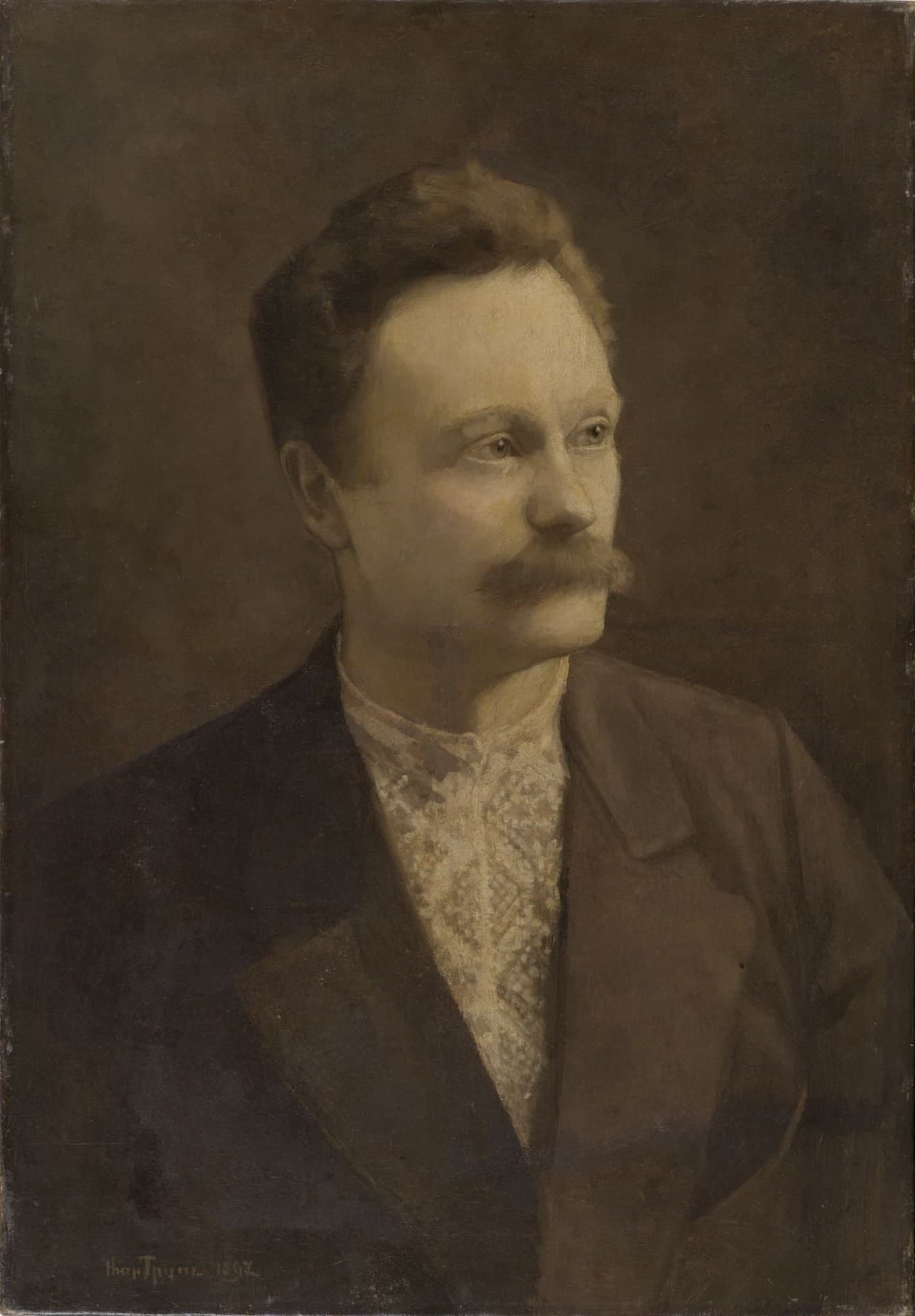
Portrait of Ivan Franko
A finely rendered portrait of the Ukrainian writer Ivan Franko.
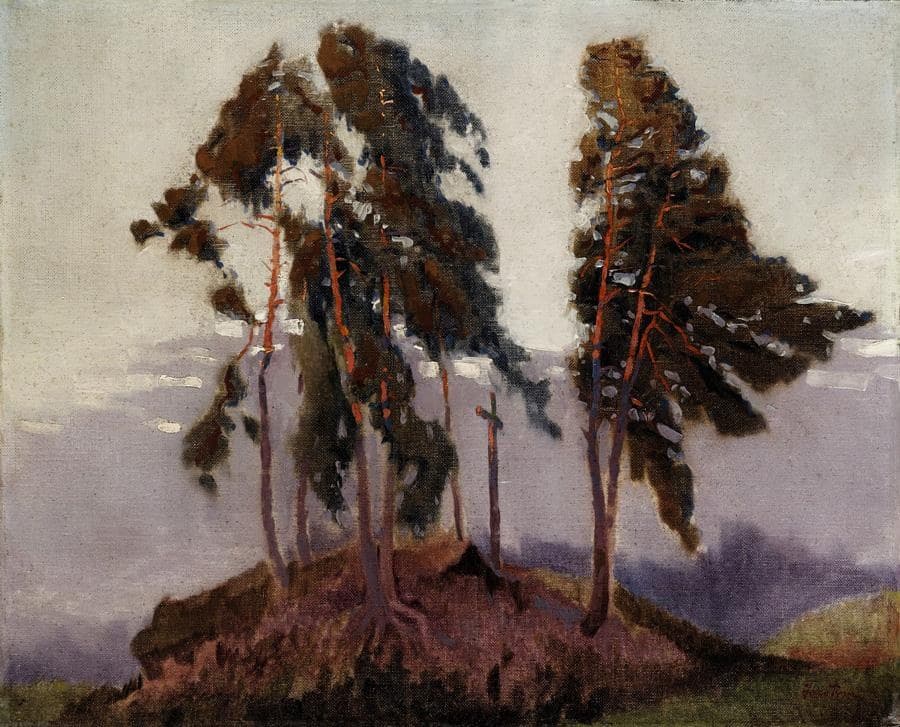
Evening Sun
A landscape capturing the warm glow of the setting sun and Trush's love of atmospheric light.
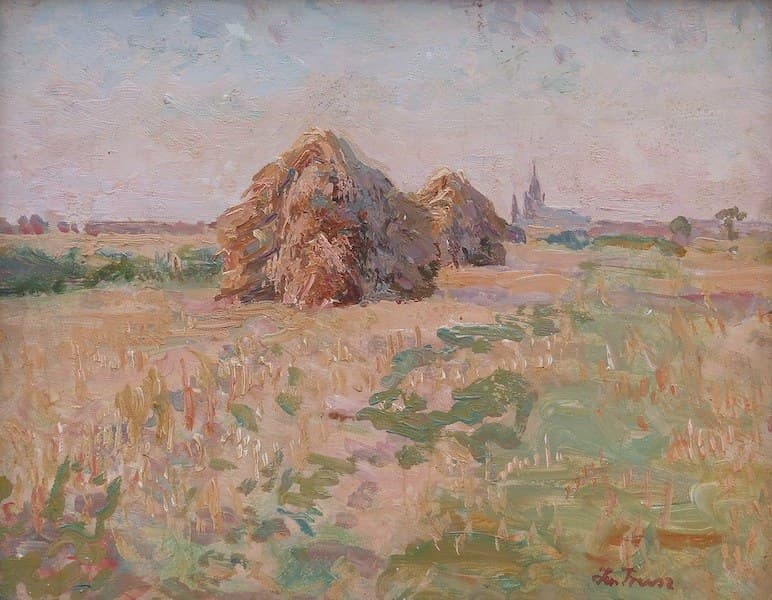
Summer. Haystacks
A sunlit landscape of haystacks standing in a summer field, in Trush's impressionist style.
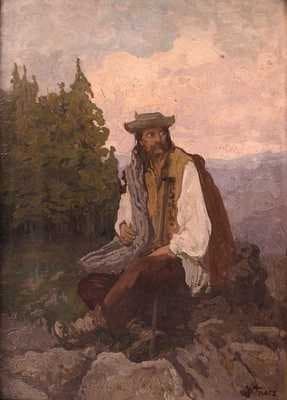
Hutsul
A study of a Hutsul highlander from the Carpathian Mountains.
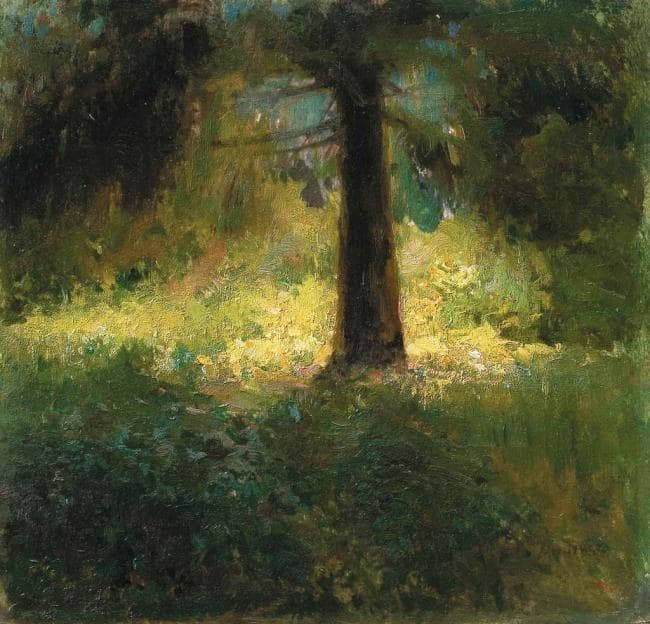
Sunbeam