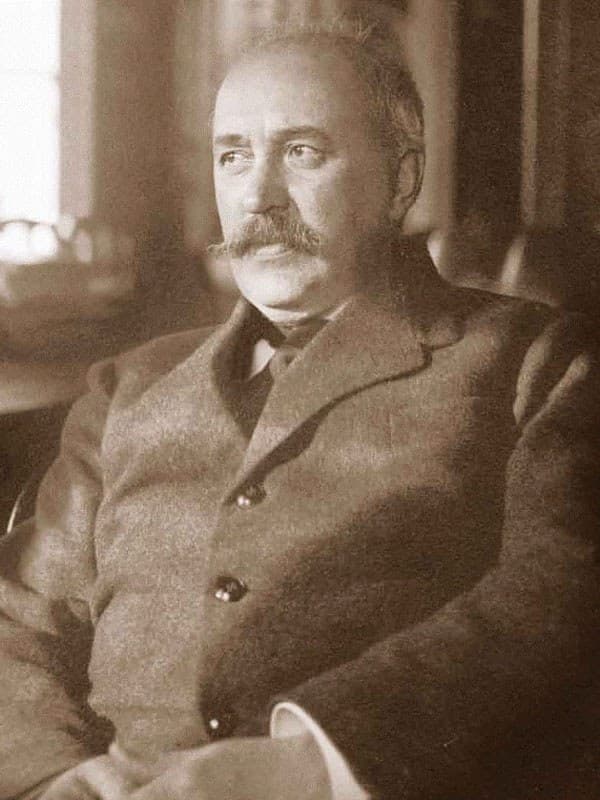
A Ukrainian landscape painter trained in Odesa and at the Imperial Academy, who settled near Kharkiv painting impressionist-influenced Ukrainian landscapes and helped found the Kharkiv Art College.
Art Movements
Realism
Realism is an artistic movement that sought to depict reality as accurately and objectively as possible, holding that the purpose of art is to reflect all aspects of existence, rather than merely its idealized representation. The term was introduced by the French literary critic Jules Champfleury in the 1850s to denote art that opposed Romanticism and Academicism. In the visual arts, the significance of Realism as a style is quite controversial, and its boundaries are undefined. In a narrower sense, realism is understood as positivism, a movement in the visual arts of the second half of the 19th century. One of the first realists was the French artist Gustave Courbet (1819–1877), who opened his solo exhibition “The Pavilion of Realism” in Paris in 1855. Before him, artists of the Barbizon School—Théodore Rousseau, Jean-François Millet, and Jules Breton—worked in a realistic style. In the 1870s, realism split into two main movements: naturalism and impressionism. In contemporary painting, realism borders on the grotesque and anti-glamour.
Explore movement →Impressionism
Impressionism was a 19th-century French art movement (1870s-1880s) that revolutionized Western art by capturing fleeting moments and the shifting effects of light using visible brushstrokes, open composition, and vibrant colors. Focusing on modern life and landscapes, key artists included Claude Monet, Pierre-Auguste Renoir, Camille Pissarro, and Berthe Morisot. Usage Examples & Characteristics: Plein Air Painting: Painting outdoors to capture natural light, such as Monet’s studies of Rouen Cathedral or haystacks in varying weather conditions. Visible Brushwork: Thick, rapid, or broken brushstrokes intended to convey a sense of motion and the ephemeral nature of a scene. Everyday Subjects: Depicting leisure activities, urban life in Paris, or landscapes rather than historical or mythological scenes. Unusual Visual Angles: Inspired by photography, artists like Degas used candid-style, unconventional framing of subjects, such as dancers or laundresses. "Impressionist Music": A similar approach in music and dance, focusing on mood and atmosphere over rigid structure, with artists like Claude Debussy and Maurice Ravel.
Explore movement →Works by Mykhailo Berkos
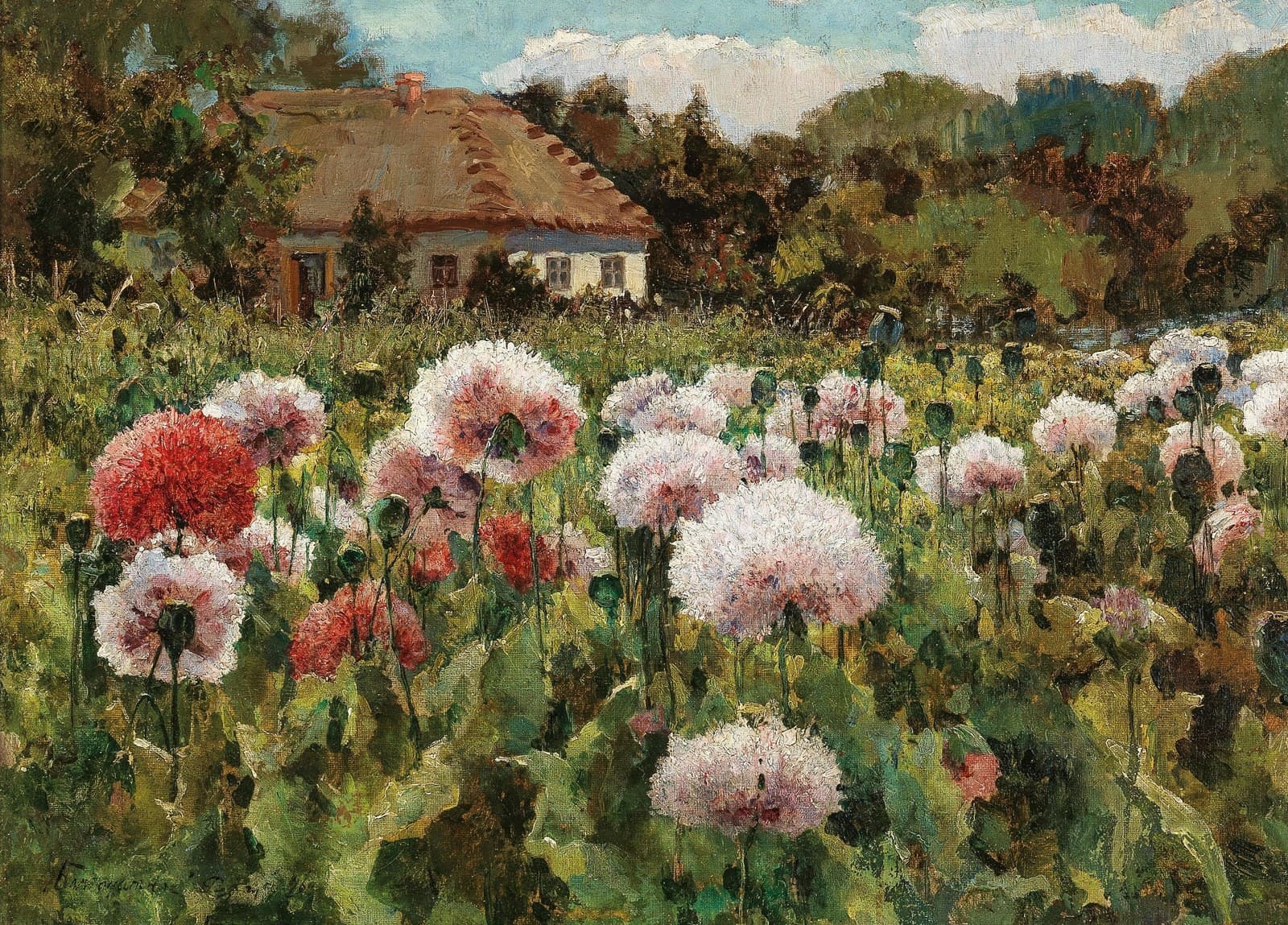
A Blossoming Garden with Poppies
An impressionist garden scene with blooming poppies, in Berkos's bright palette.
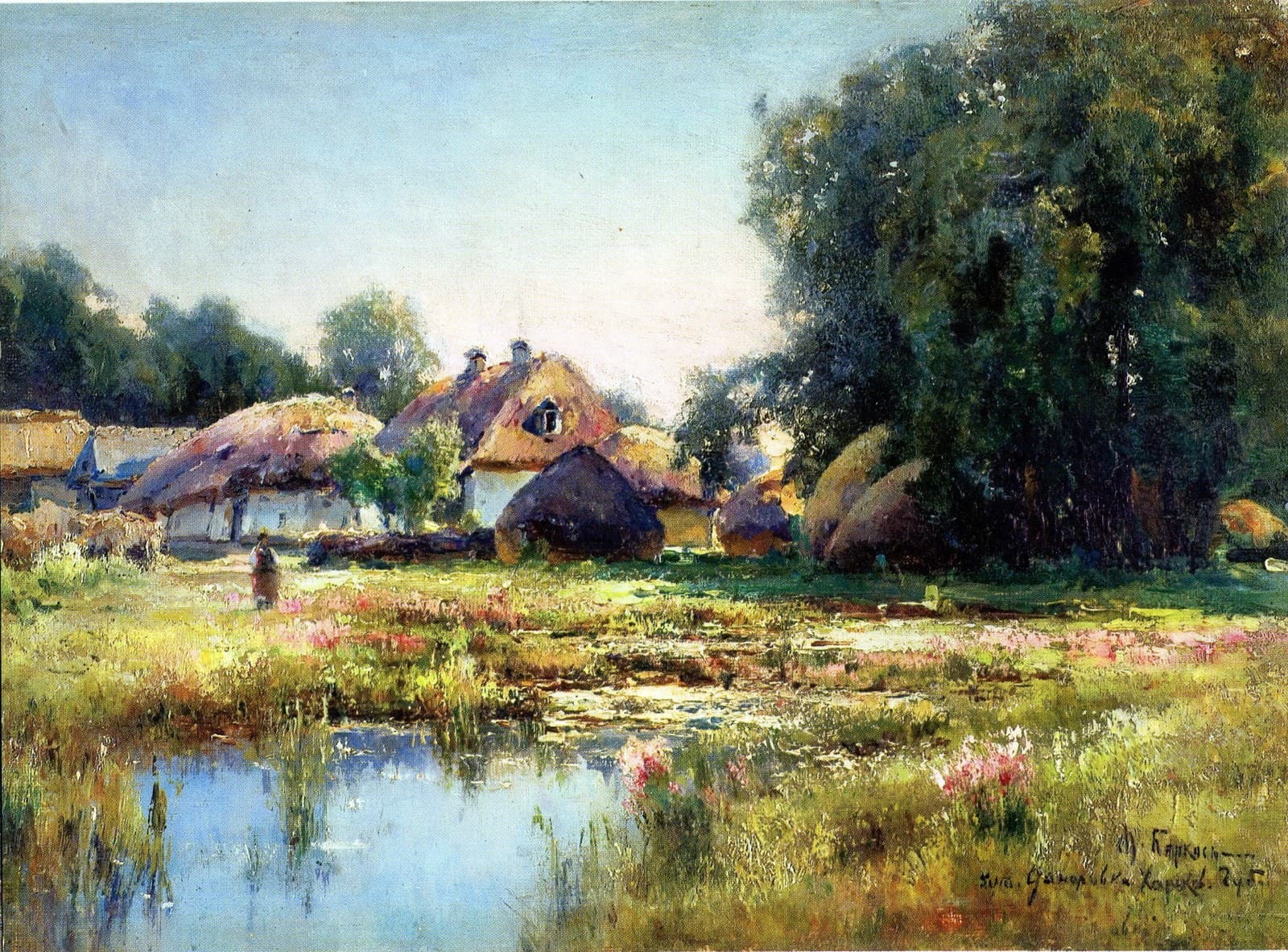
On the Khutir. Mala Danylivka
A quiet study of a Ukrainian farmstead near Kharkiv, capturing rural light and atmosphere.
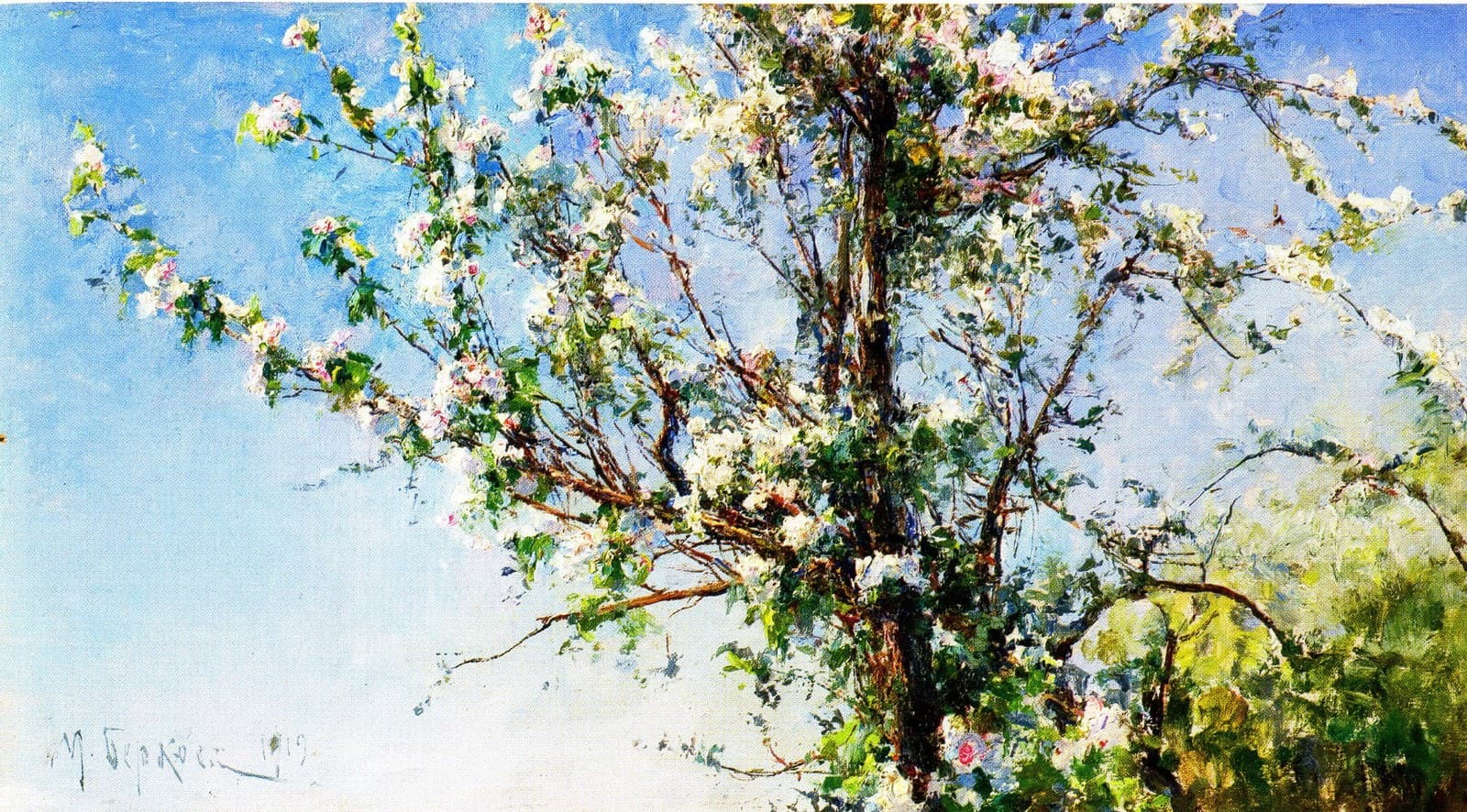
Apple Tree in Bloom
One of Berkos's last works, a flowering apple tree in spontaneous, light-filled brushwork.