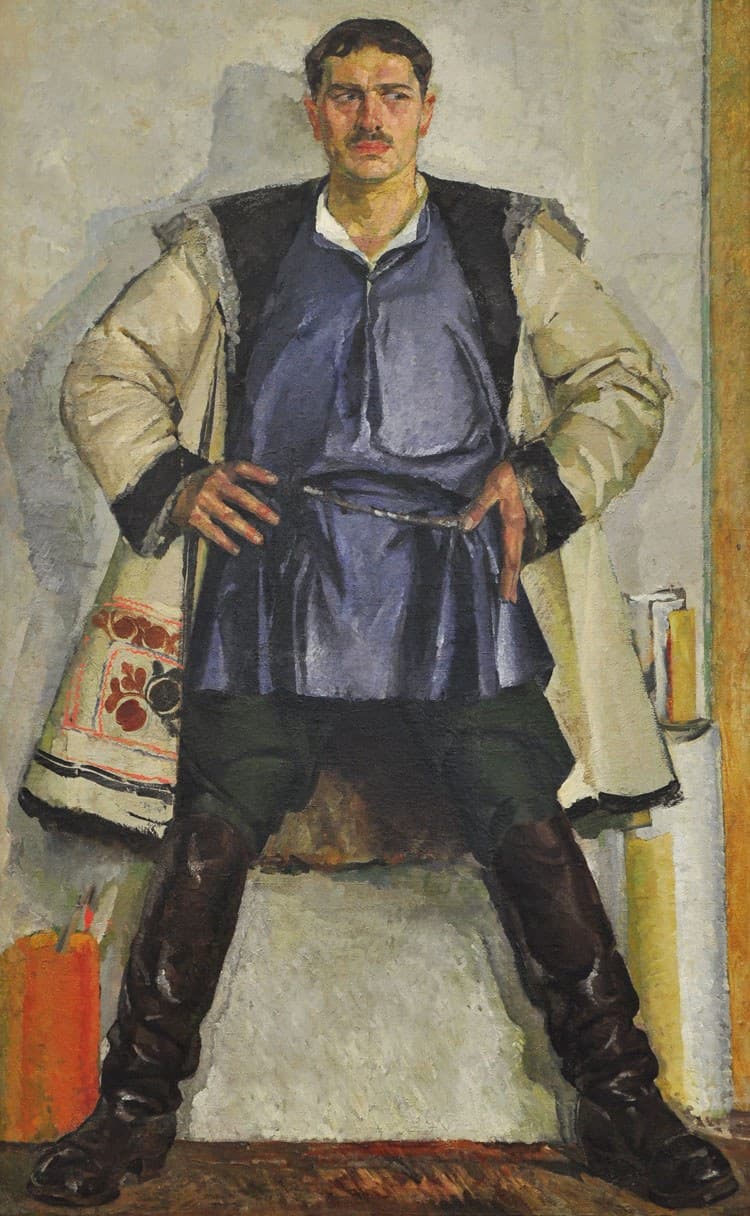
Leading early-modernist painter; co-founder/rector of the Ukrainian State Academy of Arts; created the triptych 'Life' (Venice Biennale 1928); persecuted after WWII, died in poverty 1947.
Art Movements
Modernism
Modernism was a radical, early-to-mid-20th-century cultural movement that broke with traditional artistic, literary, and social forms to align with a rapidly industrializing world. Characterized by experimentation, abstraction, and individualism, it sought new modes of expression to address themes of alienation and social change following World War I. Rejection of Tradition: Modernists rejected Victorian morality, academic art, and realistic depictions of subjects, seeking to "make it new". Experimentation: A shift towards abstraction in art (e.g., Cubism) and new techniques in literature, such as stream of consciousness (e.g., Virginia Woolf, James Joyce). Key Themes: Focused on subjectivity, alienation, the fragmentation of reality, and the quest for new meaning. Architecture & Design: Marked by minimalism, functionalism, and the use of industrial materials, famously summarized by Le Corbusier’s "a building is a machine for living in". Time Period: Roughly 1890s–1960s, emerging in Europe and America as a response to urbanization and technological advances.
Explore movement →1920s–1930sExecuted Renaissance
The generation of Ukrainian artists and writers of the 1920s–30s whose national cultural flowering was suppressed by Soviet terror, with many executed or driven to death during the Great Purge.
Explore movement →Works by Fedir Krychevskyi
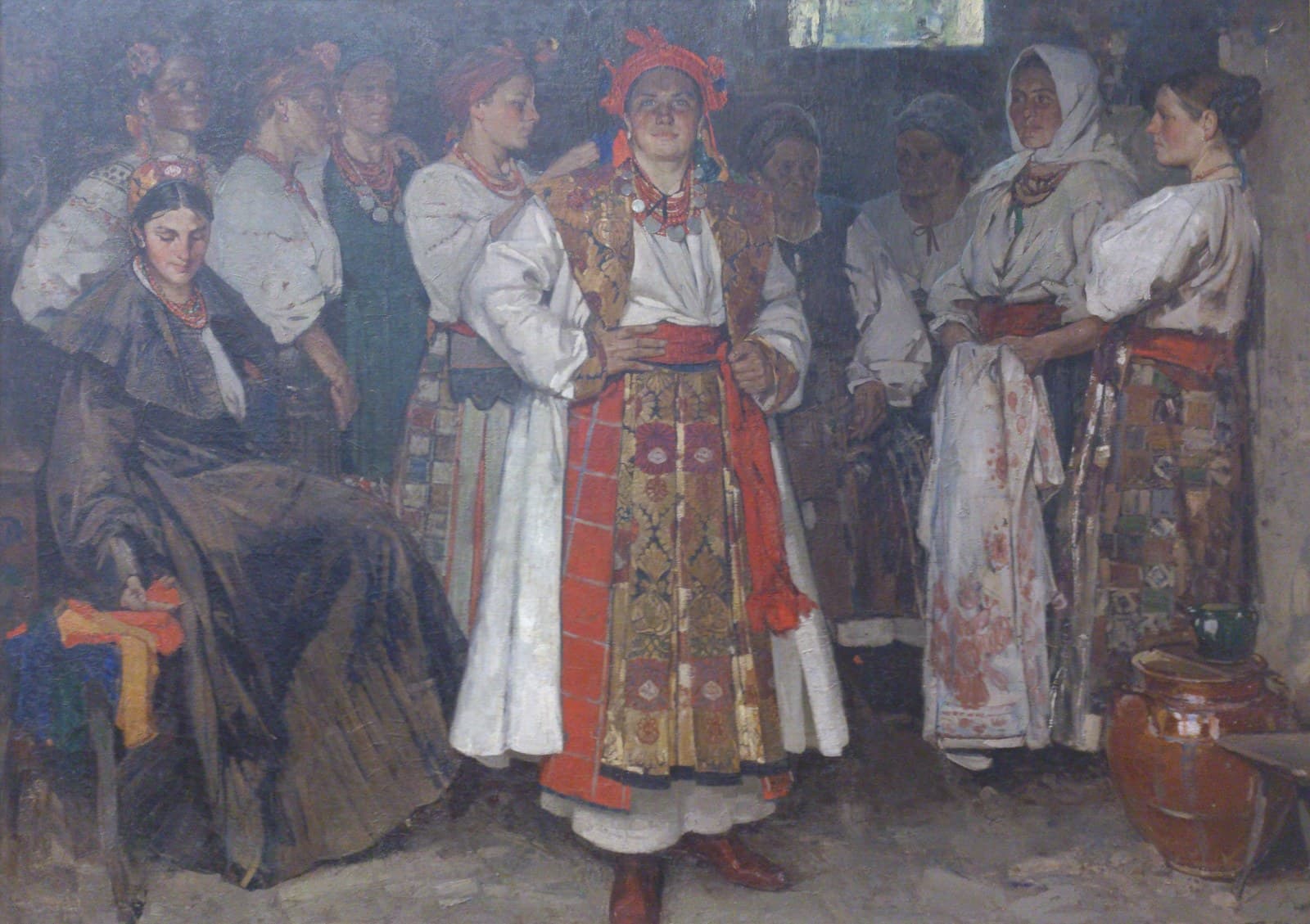
The Bride
A monumental depiction of a Ukrainian bride combining academic skill with national folk themes.
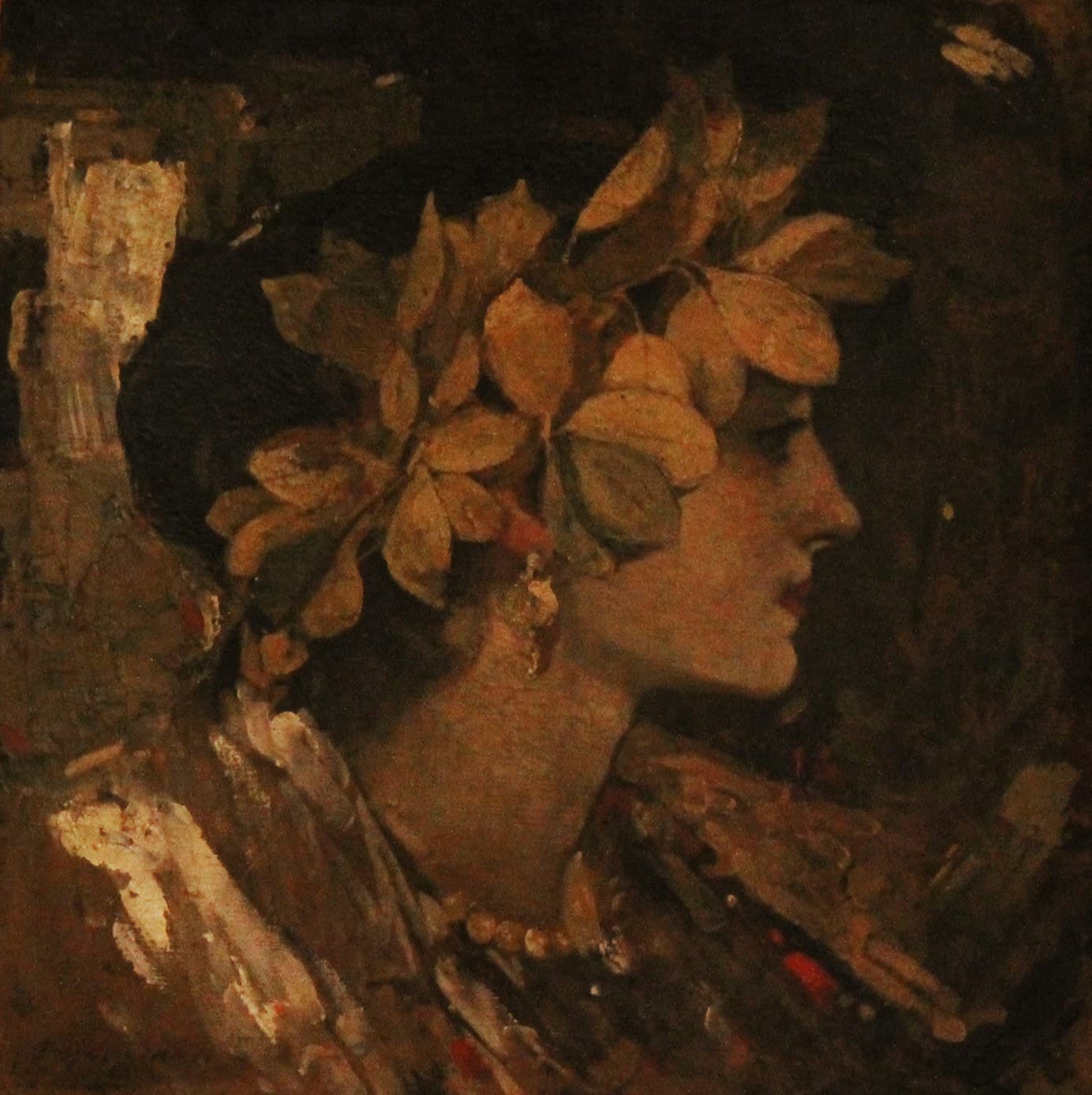
Beatrice
An idealized female figure inspired by Dante's Beatrice, from Krychevsky's early symbolist period.
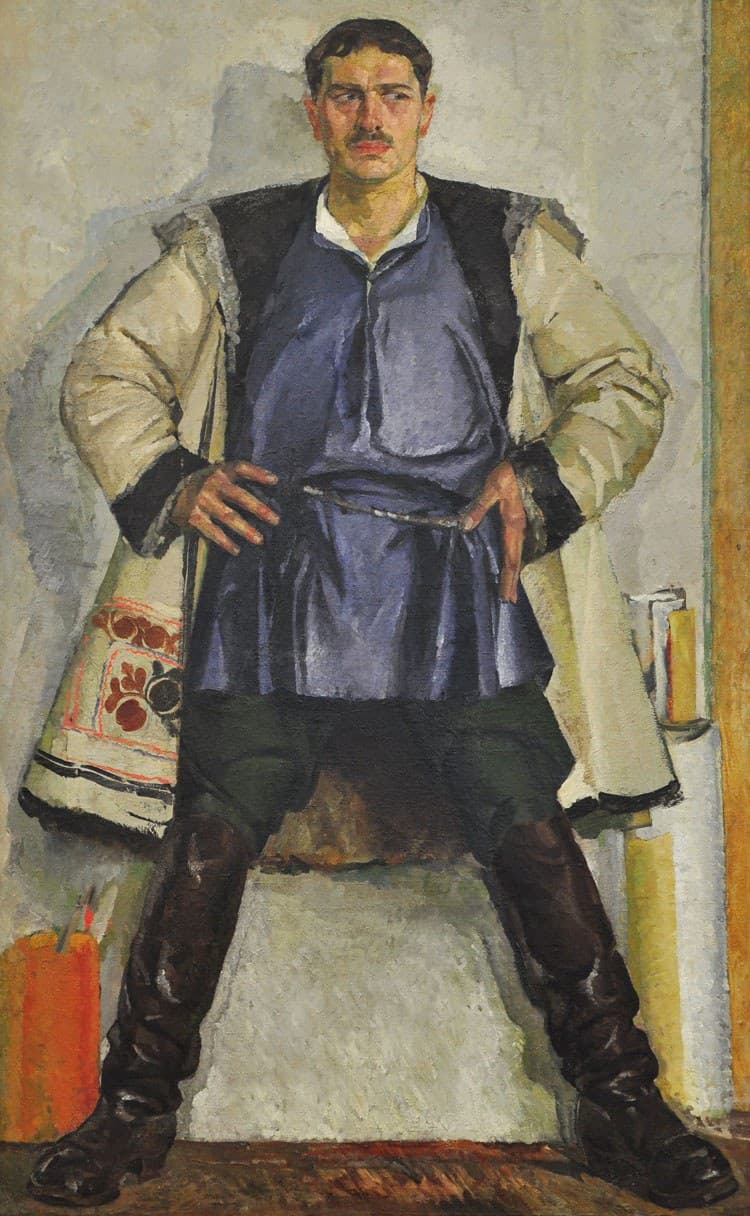
Self-Portrait in a White Sheepskin Coat
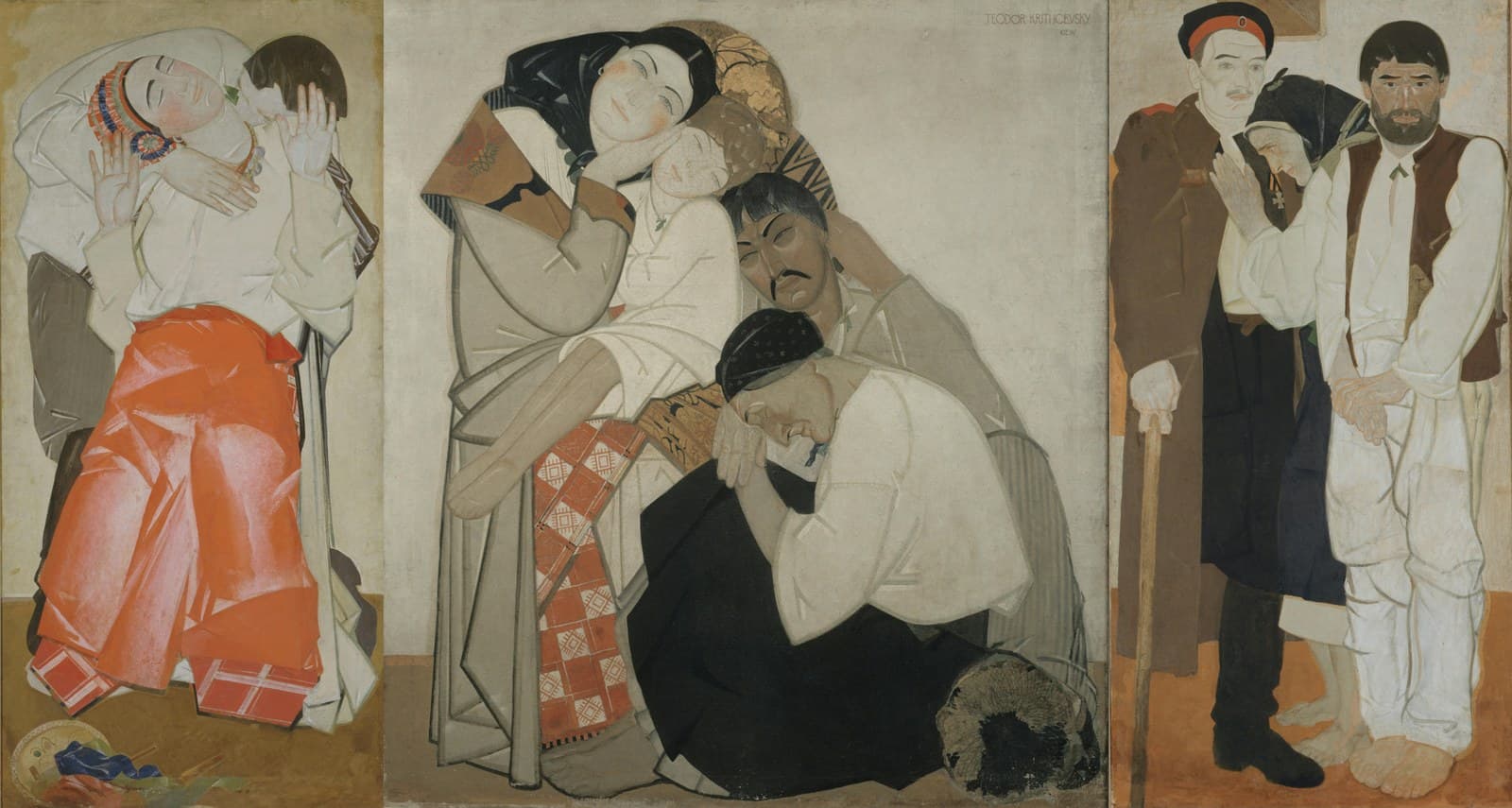
Life (triptych)
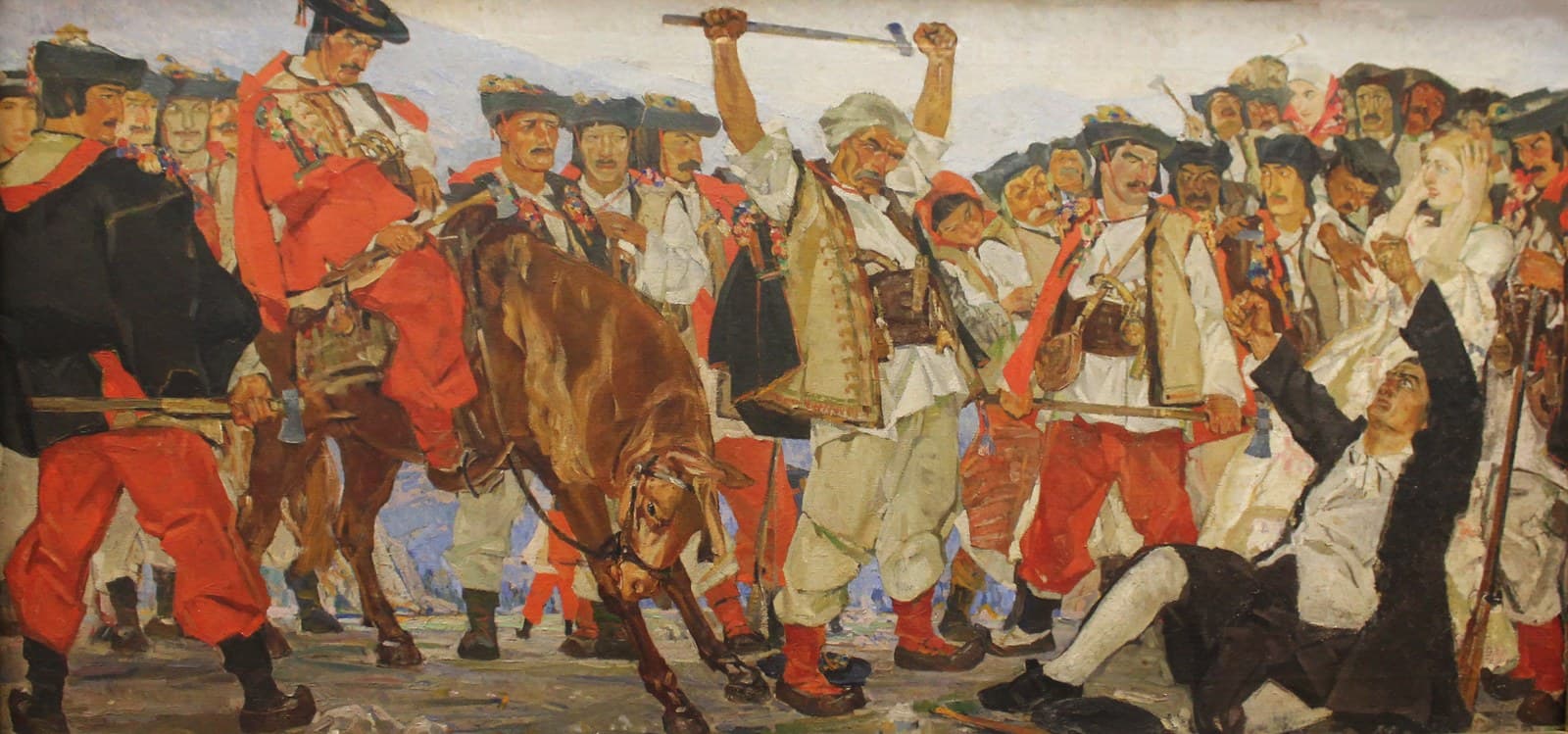
Dovbush
A heroic portrayal of the Carpathian folk hero Oleksa Dovbush.