Olena Kulchytska
Олена Кульчицька
1887–1967 · Ternopil Oblast, Ukraine
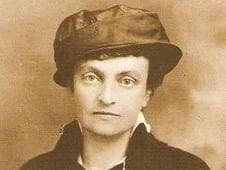
A Ukrainian artist working in various fields[3] of graphic art, painting, and carpet weaving, as well as an educator. People’s Artist of the Ukrainian SSR (1956). Member of the Supreme Council of the Ukrainian SSR during its 3rd and 4th convocations. Author of over 4,000 works of art that have become part of the golden fund of Ukrainian book illustration (“The Tale of Igor’s Campaign,” “Shadows of Forgotten Ancestors,” “Lys Mykyta,” and the three-volume work by ethnographer Stefanyk). A pioneer of children’s book illustration in Ukraine.
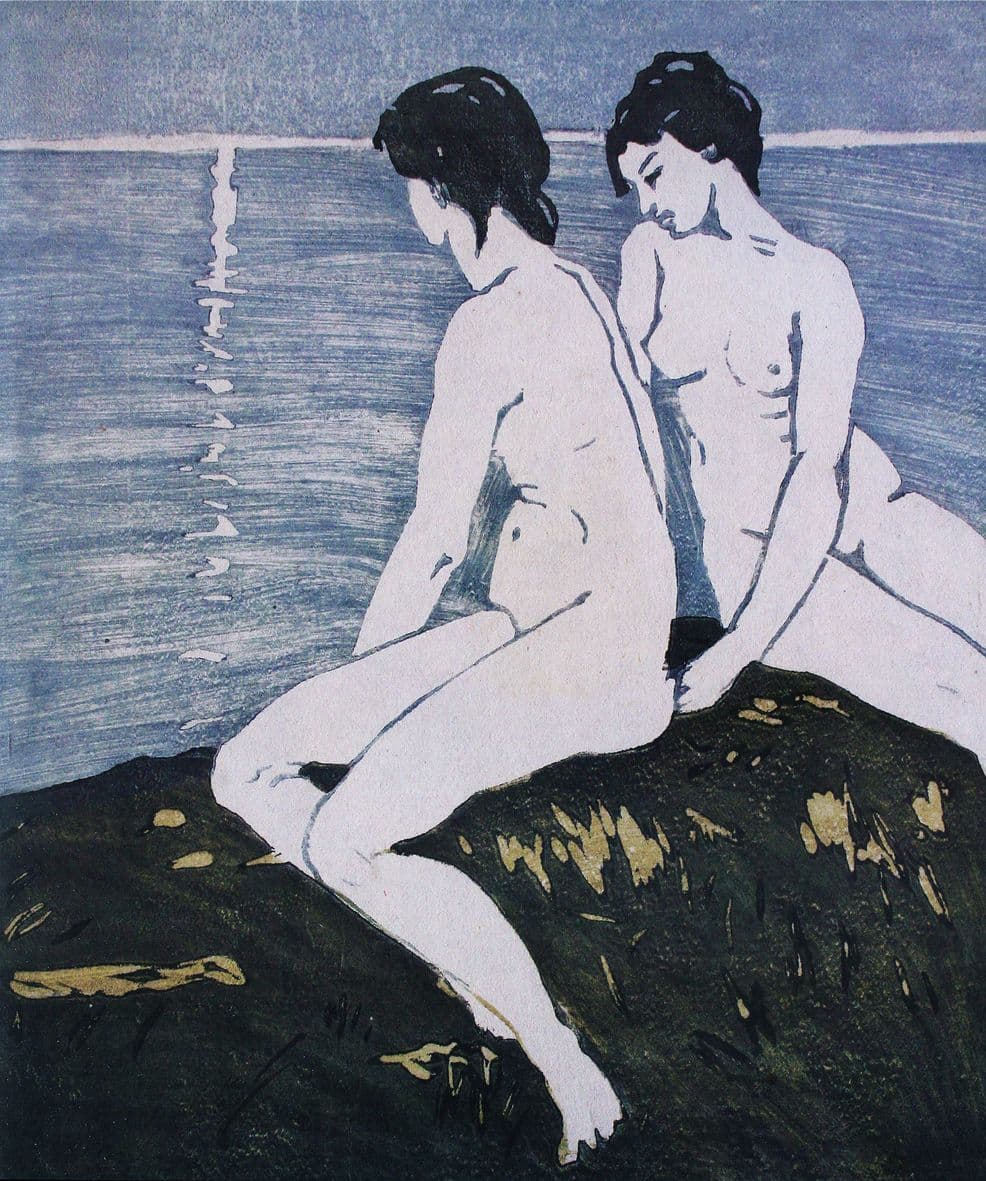
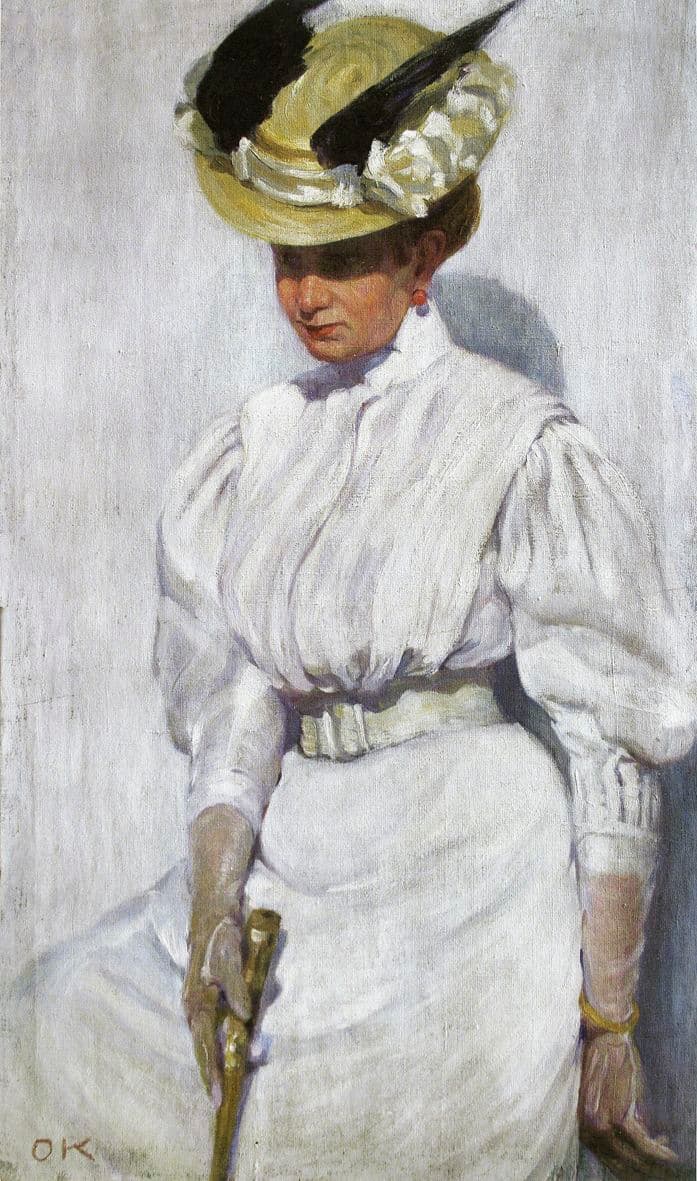
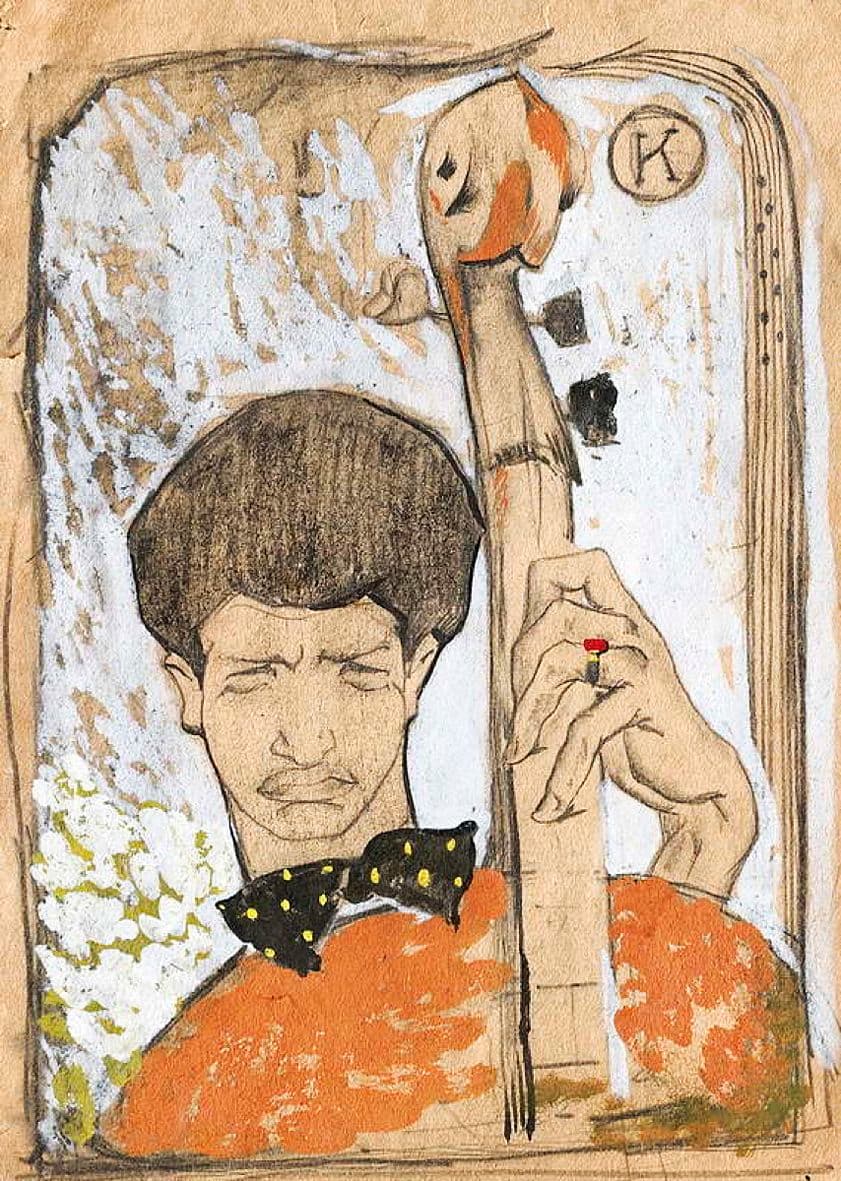
Olena Kulchytska distinguished herself in various art forms: painting, graphic art, sacred art (she created a unique iconostasis), folk applied art, and carpet weaving; she also designed furniture. All her works were imbued with a humanistic spirit.
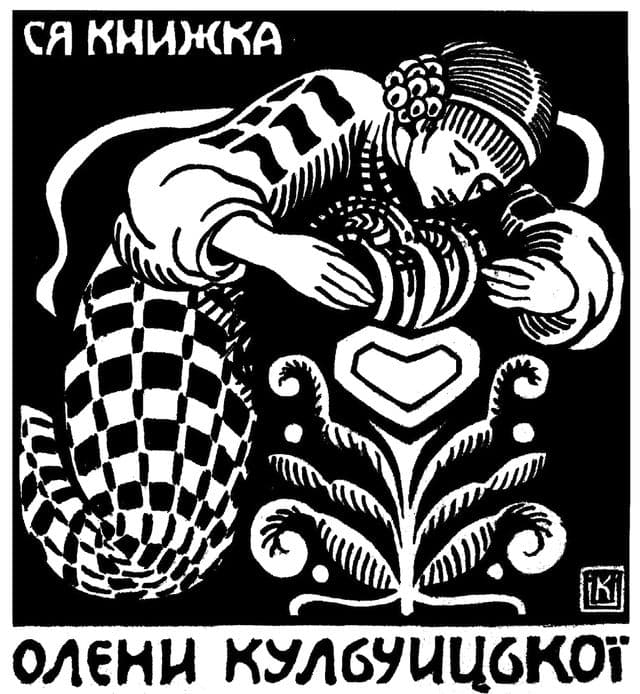
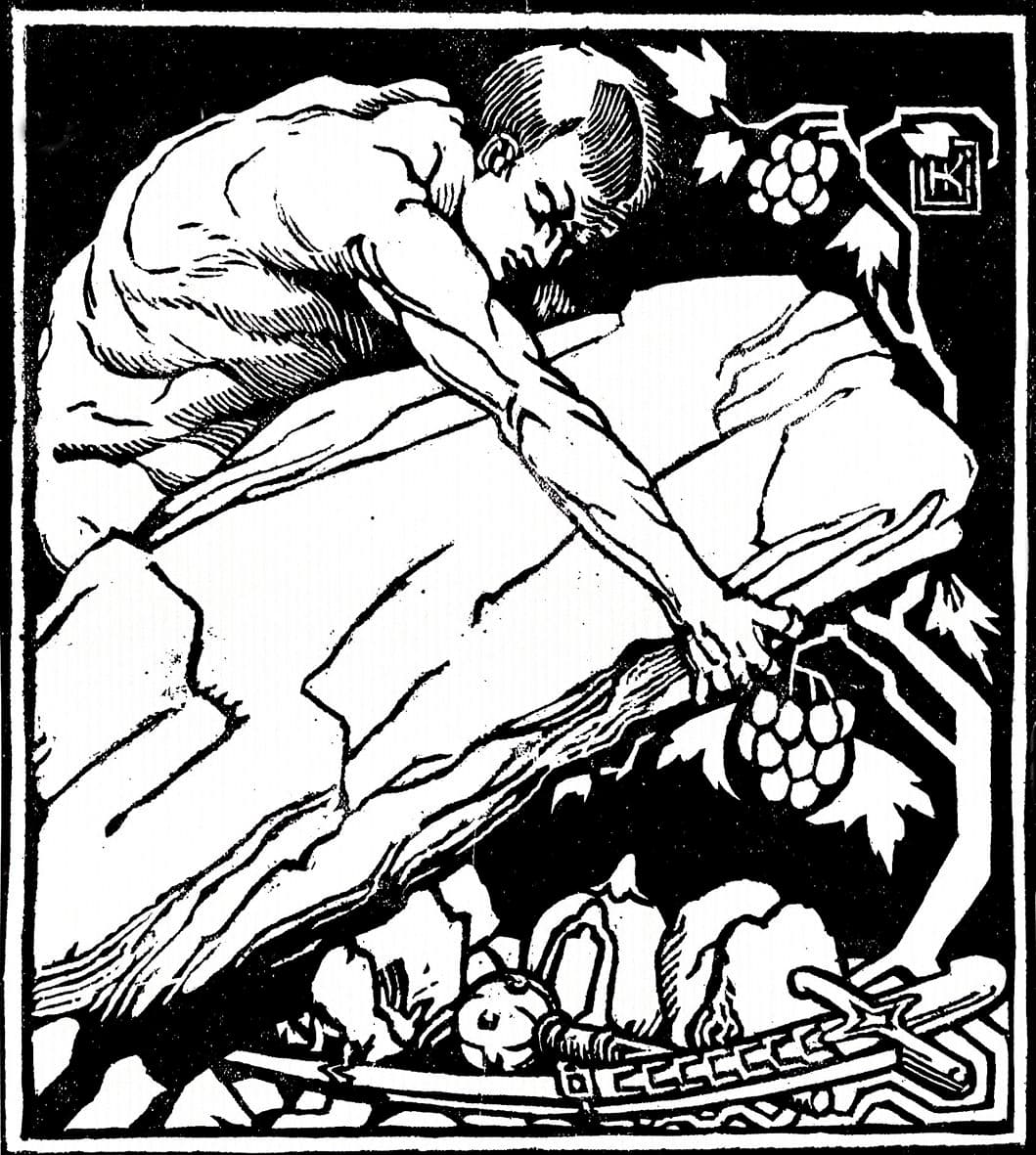
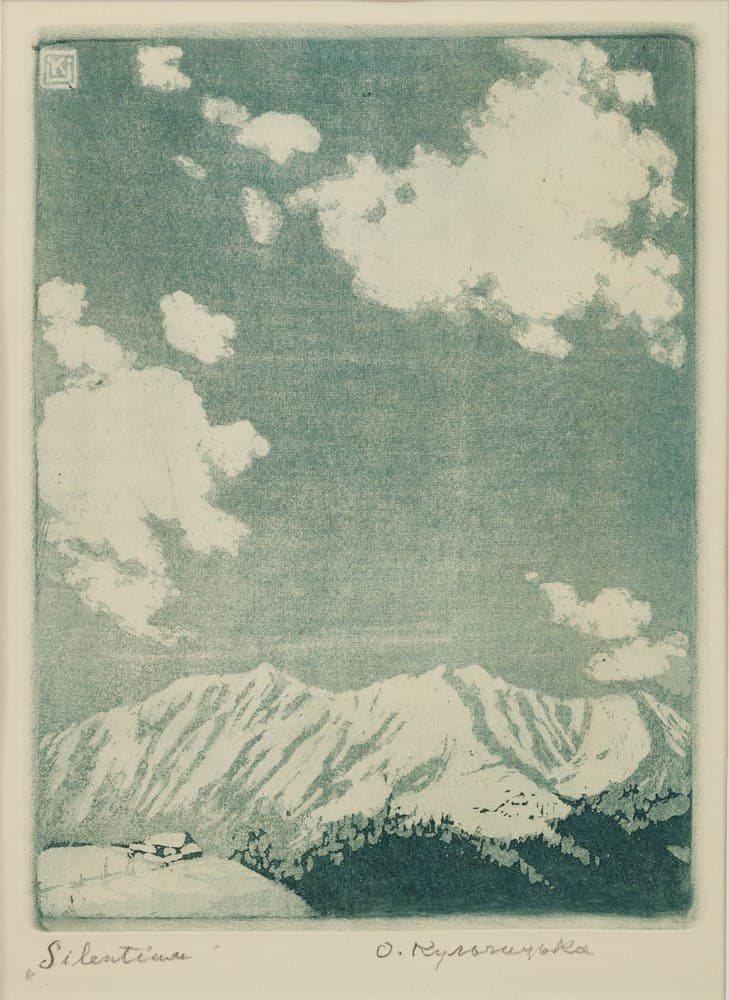
Her etchings “By the Lamp” and “By the Well,” woodcuts “Dovbush” and “Winter,” the series “History of the Princely Era,” and numerous linocuts—including the famous series “Ukrainian Writers”—significantly brought Ukrainian painting closer to Europe.
From 1939, she worked as an artist at the Taras Shevchenko Museum in Lviv; from 1940, she headed the Department of Folk Art at the Lviv Ethnographic Museum of the Academy of Sciences of the Ukrainian SSR.
From 1945 to 1954, Olena Kulchytska taught graphic arts at the I. Fedorov Ukrainian Polygraphic Institute, where she became a professor in 1948. She produced a series of linocuts titled “The Hard Times of the Ukrainian People.”
Kulchytska’s watercolor albums “Folk Architecture of the Western Regions of the Ukrainian SSR” and “Folk Costumes of the Western Regions of the Ukrainian SSR” (1959, over 100 drawings) are of great artistic and scholarly value. Between 1928 and 1946, Olena Kulchytska traveled on foot through nearly all of Western Ukraine, sketching from life[4].
Kulchytska was actively involved in carpet weaving: she created sketches of patterns for carpets that her sister wove. She created unique pieces of art using enamel, bronze, and majolica. In her works, the artist captured the spirit of the people as she perceived it.