Symbolism
Символізм
A late nineteenth- and early twentieth-century movement that turned away from the documentary aims of realism toward myth, allegory, dream and inner experience. In Ukraine it arrived through Kyiv, Poltava, Kharkiv and Lviv art circles and through artists trained in Munich, Paris and St Petersburg, and it fed directly into Ukrainian Art Nouveau and early modernism. Ukrainian symbolists favoured antique and folk mythology, ritual and allegorical figure compositions over contemporary social subjects.
Artists of the Movement
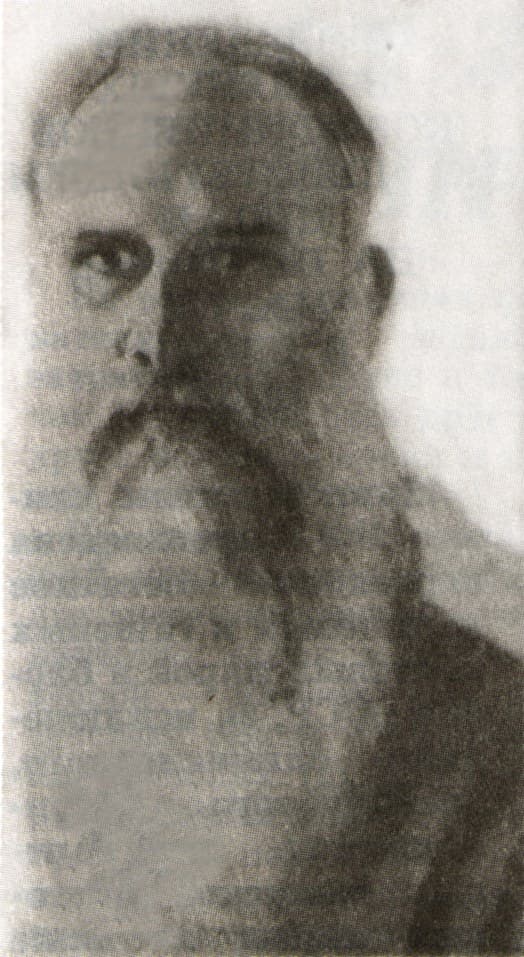
Ivan Miasoiedov
1881–1953
Ivan Miasoiedov was a painter, draughtsman and engraver born in Kharkiv and raised on his family's estate near Poltava, where he led a bohemian artists' circle and painted Ukrainian landscapes alongside large symbolist compositions on antique myth. He was also a champion weightlifter, a wartime artist, a convicted counterfeiter and, from 1938, the designer of Liechtenstein's postage stamps under the name Eugen Zotow. His early Poltava-period work is held by the Poltava Art Museum, and the bulk of his later output by the Zotow–Miasoiedov Foundation in Vaduz.
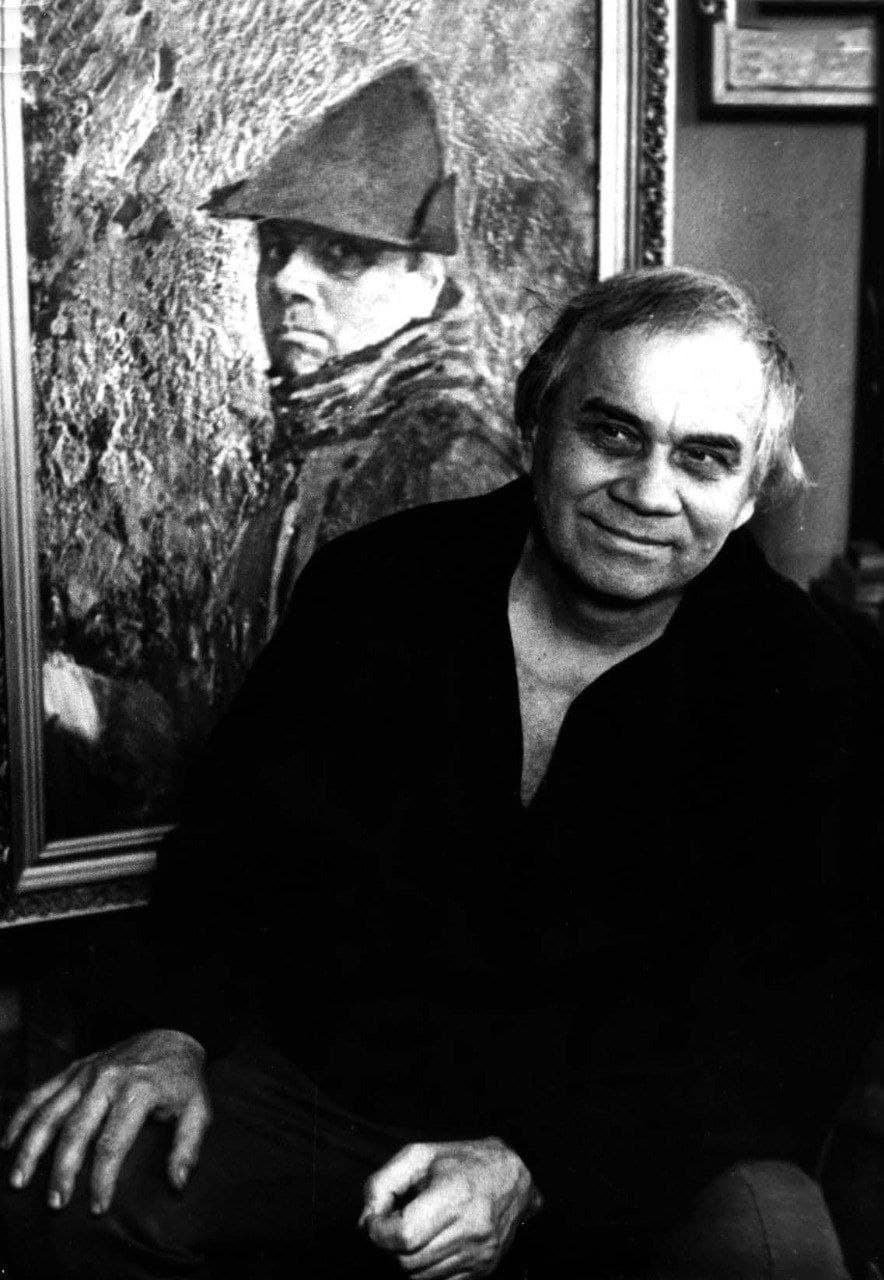
Viktor Zaretskyi
1925–1990
Viktor Zaretskyi (1925–1990) was a Ukrainian painter, monumentalist and teacher, husband of Alla Horska and one of the leaders of the Sixtiers generation. After beginning with a socially observant Donbas miners' cycle he turned in the 1980s to an ornamental, gold-laden manner indebted to the Vienna Secession that earned him the nickname "the Ukrainian Klimt".
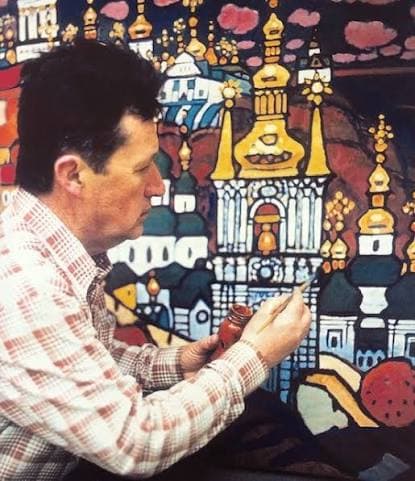
Yurii Khymych
1928–2003
Yurii Khymych was a Ukrainian architect turned painter, the outstanding master of the architectural landscape in twentieth-century Ukrainian art. By the late 1950s he was regarded as one of the finest watercolourists in the USSR, before abruptly switching to gouache, the medium of most of his mature work. Trained as an architect and steeped in years of copying church frescoes and mosaics, he painted what he called 'portraits of buildings' — flattened, open-coloured, black-contoured images closer to icons than to conventional views.
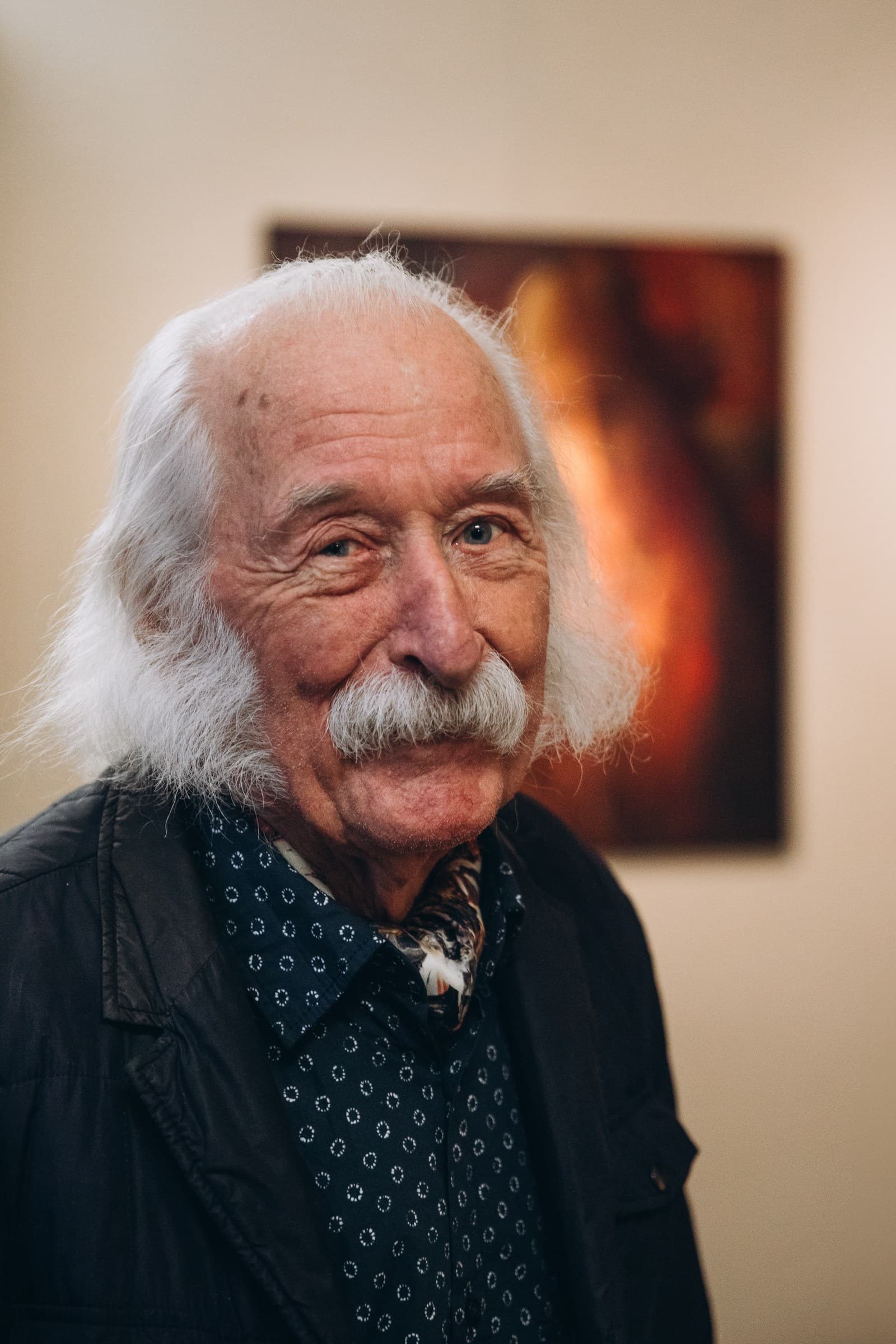
Ivan Marchuk
b. 1936
Ivan Marchuk (b. 1936) is a Ukrainian painter who invented "pliontanizm", a technique of building an image out of thousands of fine interwoven threads of paint instead of brushstrokes. He works in long cycles — among them "Voice of My Soul", "Shevchenkiana", "White Planet" and "Vienna Rhapsodies" — that move between landscape, portrait and visionary allegory.
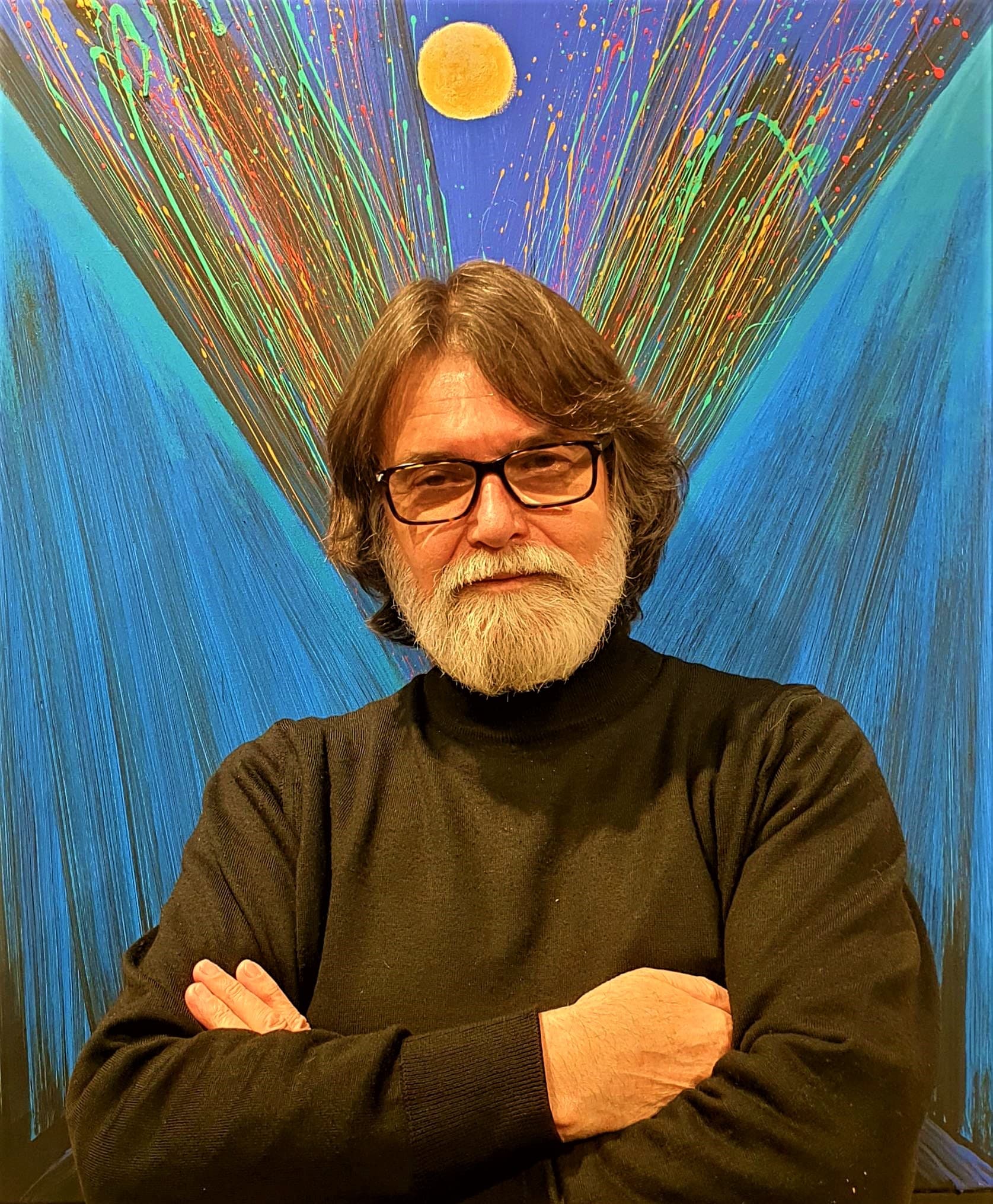
Yurii Nahulko
b. 1954
Artist, writer, philosopher, creator of hundreds of paintings, recipient of art awards, and author of books. He was born in Zdolbuniv to a family of teachers. On his father’s side, he came from a Cossack family; on his mother’s side, from Ukrainian and Polish nobility.
Works from this Movement
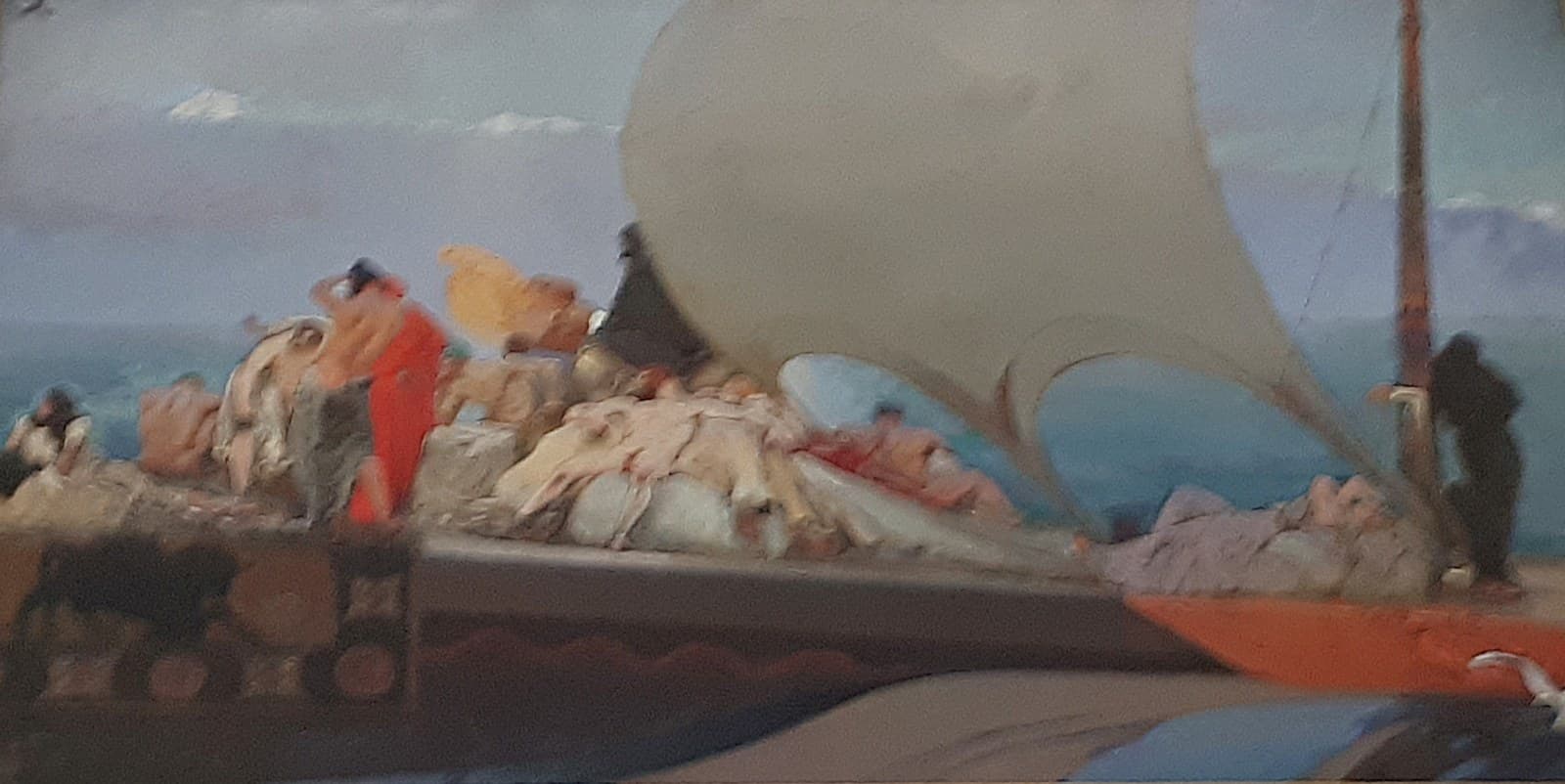
The Voyage of the Minyans
Ivan Miasoiedov
A monumental frieze-like composition of the Minyan heroes — the Argonauts — setting out for Colchis, rowing a long ship past a crowded shore. Painted for the Academy of Arts, it is the clearest example of Miasoiedov's turn from his father's social realism to antique myth handled in the manner of Central European symbolism.
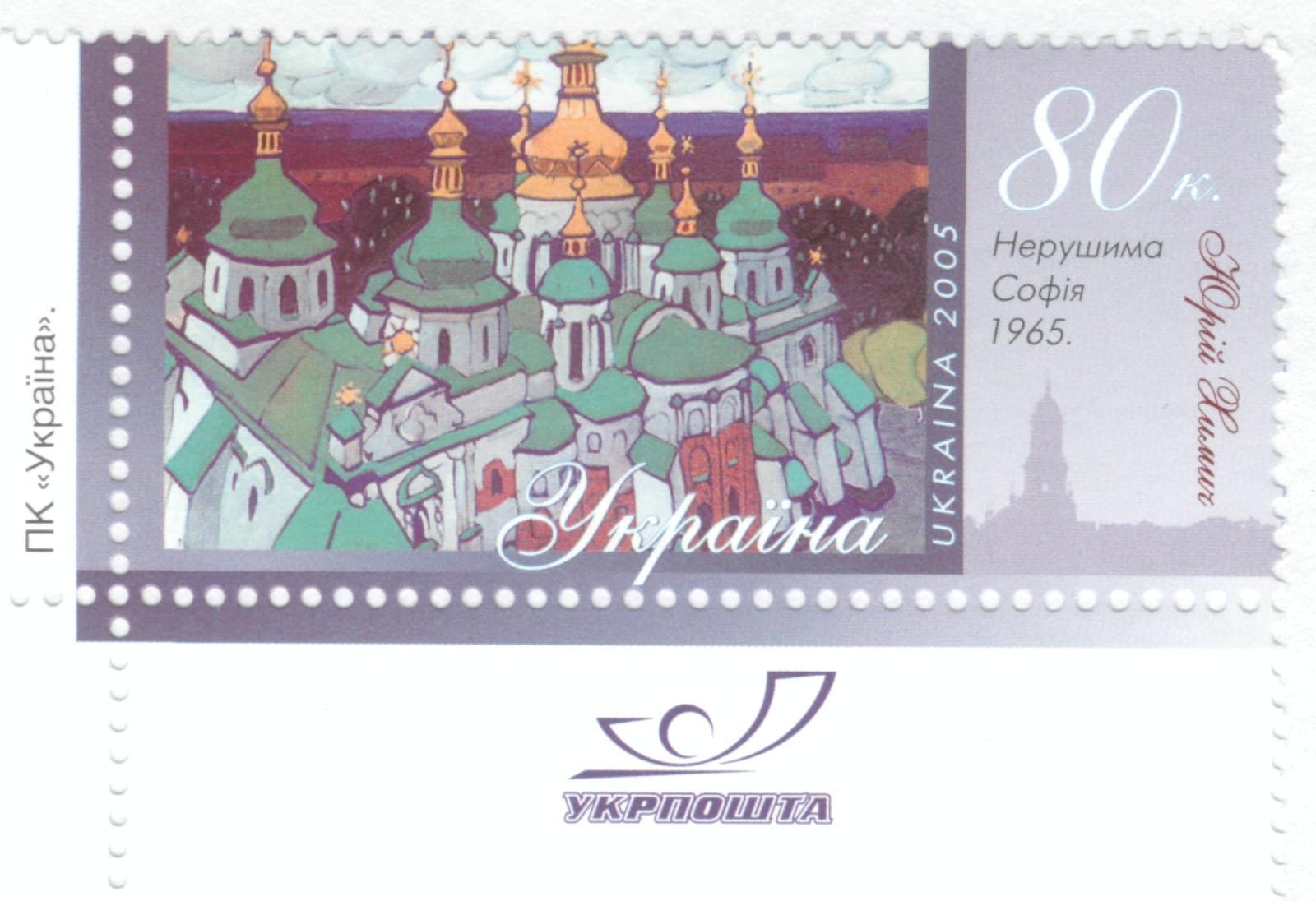
The Indestructible Sophia of Kyiv
Yurii Khymych
Saint Sophia Cathedral rendered in Khymych's mature manner of open colour and heavy black contour, the title borrowed from the ancient epithet of the Kyivan cathedral. Ukrposhta reproduced the painting on an 80-kopiyka stamp in 2005.
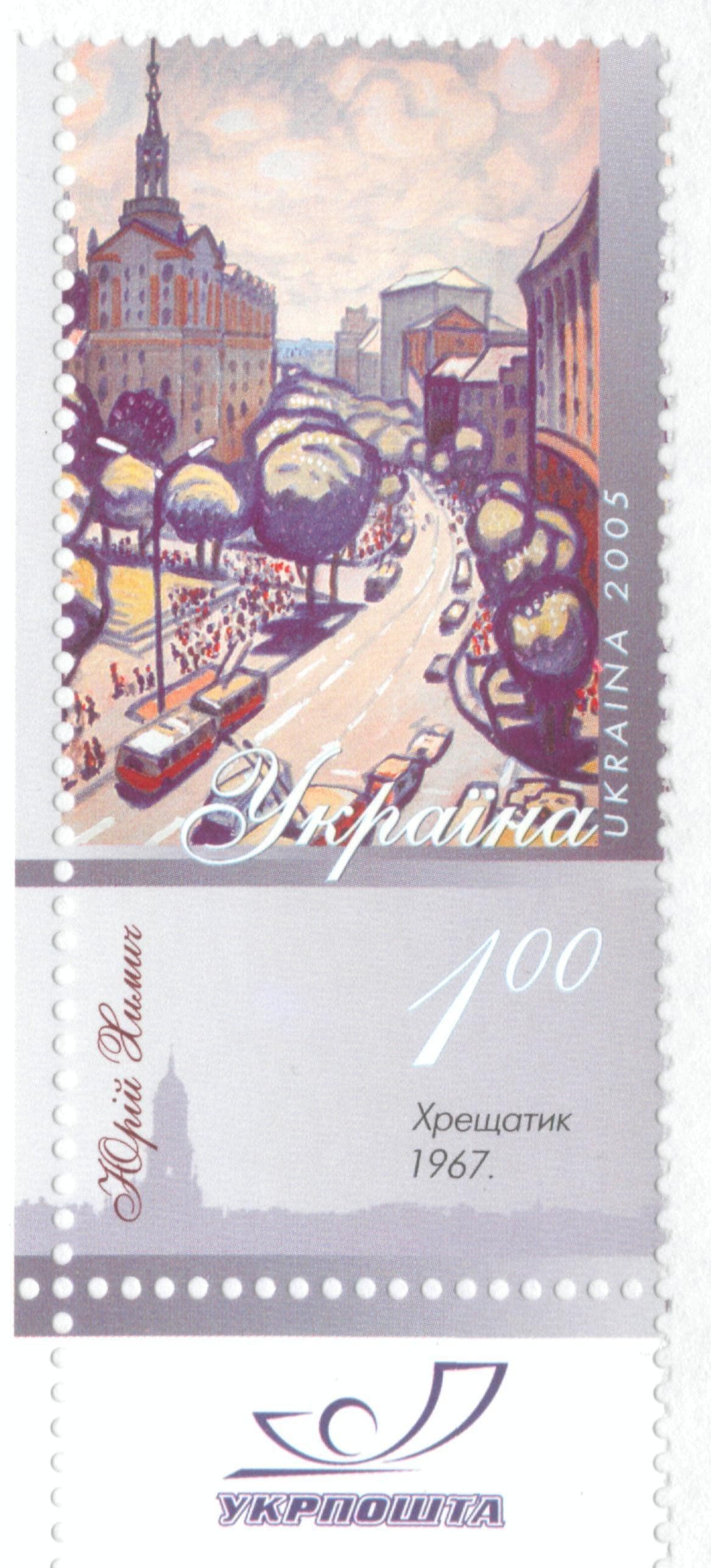
Khreshchatyk
Yurii Khymych
Kyiv's main avenue seen as a stacked, frontal composition of post-war facades — one of the city subjects that made Khymych's reputation as a painter of 'portraits of buildings'. Reproduced by Ukrposhta on a 2005 stamp.
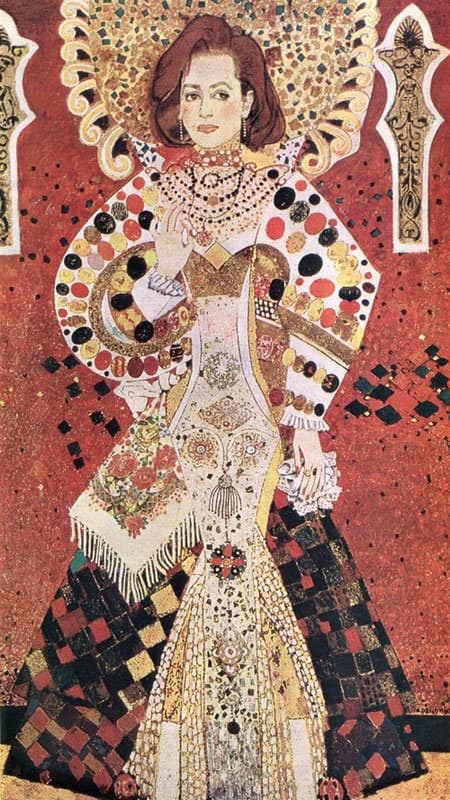
Portrait of the People's Artist of the Ukrainian SSR Tetiana Tsymbal
Viktor Zaretskyi
A late portrait from the period in which Zaretskyi absorbed the Vienna Secession, the sitter set against a flattened field of gilded ornament in the manner that earned him the nickname "the Ukrainian Klimt".
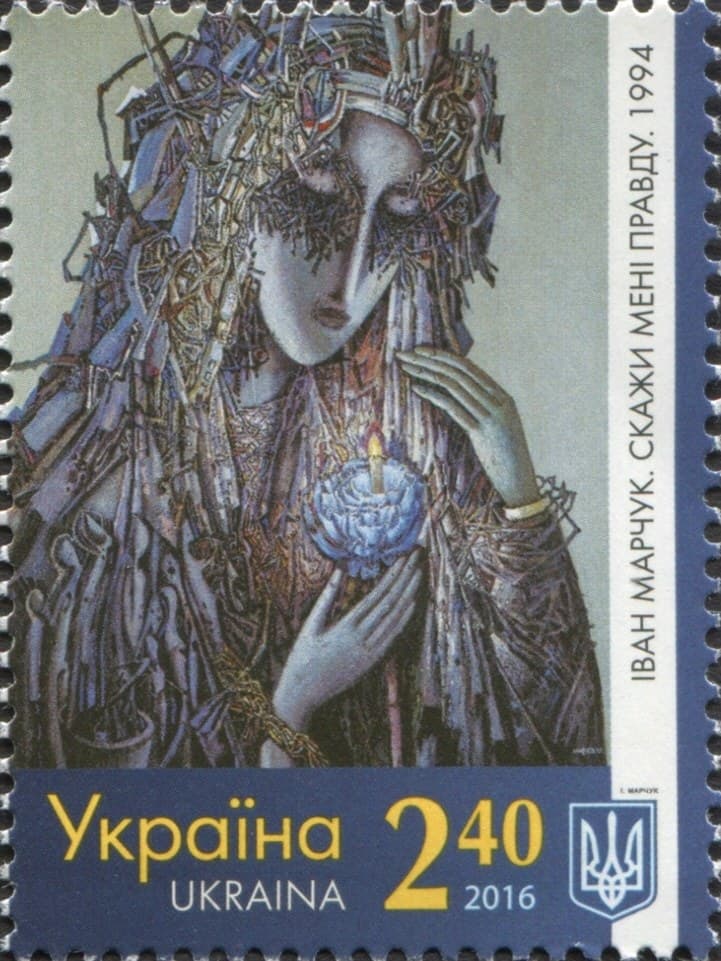
Tell Me the Truth
Ivan Marchuk
A frontal, icon-like female figure sheathed in a bristling armour of thread-fine strands, cupping a lit candle set inside a pale flower. Ukrposhta reproduced the painting in full on a 2.40 UAH definitive stamp in 2016.
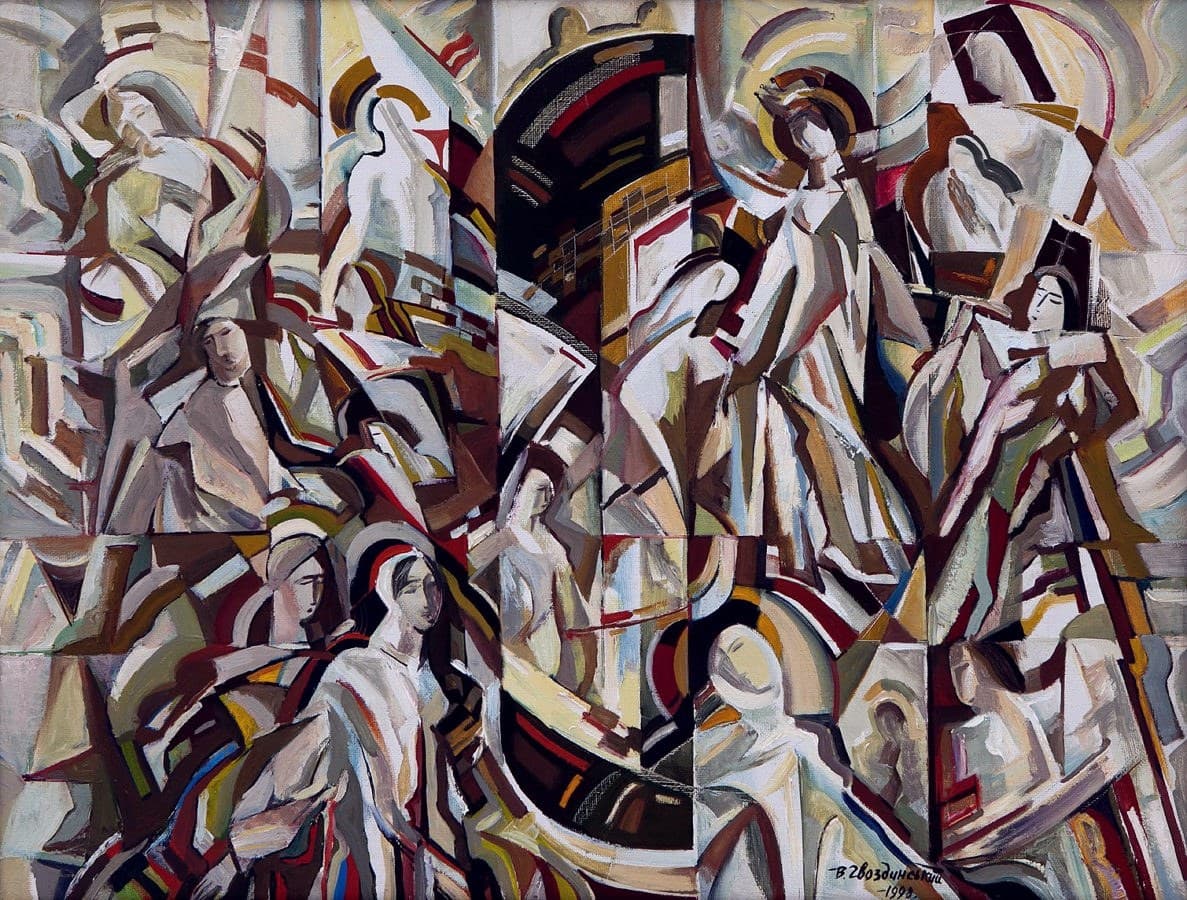
Sensation
Viktor Hvozdynskyi
One of the artist's late-1990s subject compositions rather than a landscape, singled out in the Encyclopedia of Modern Ukraine as a signature work of that period.