About the Artist
Yurii Khymych
1928–2003
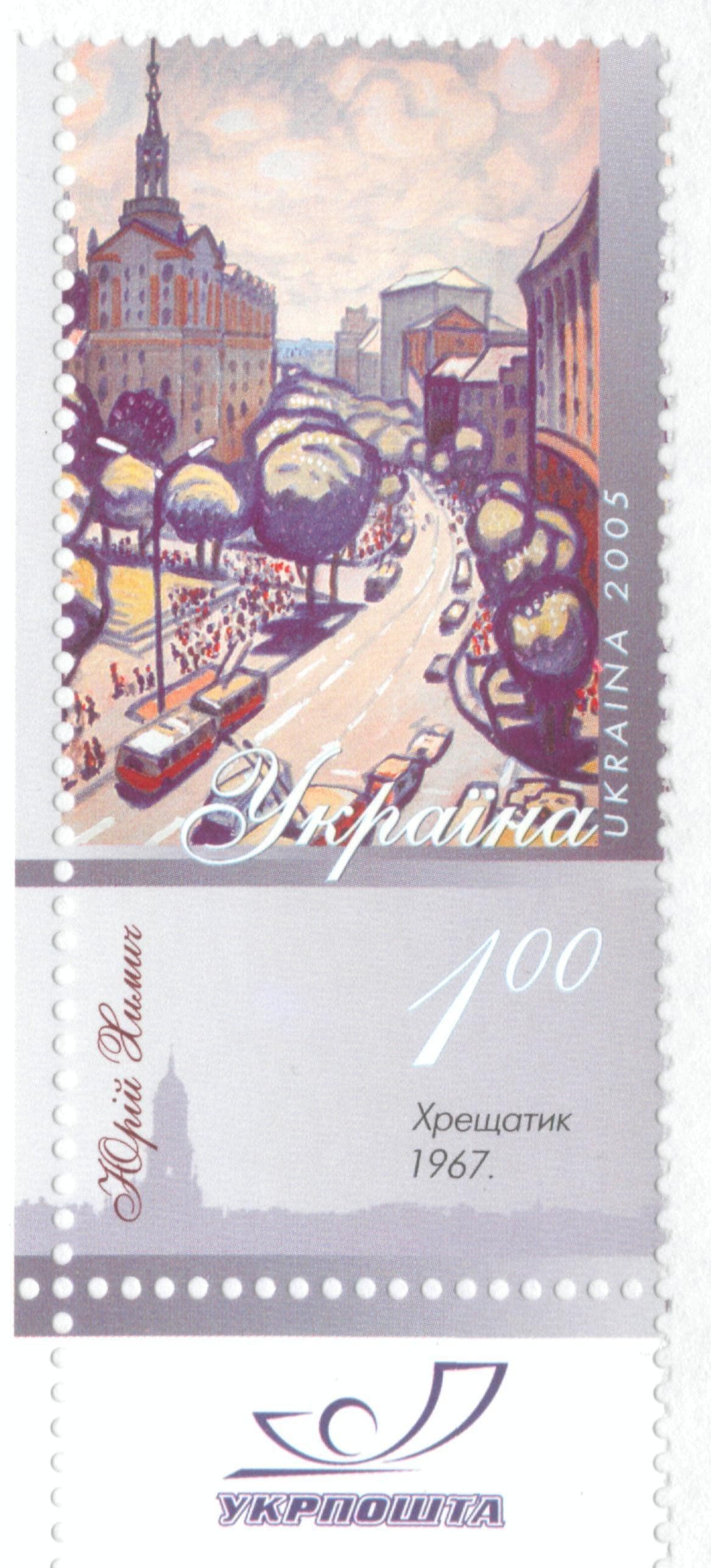
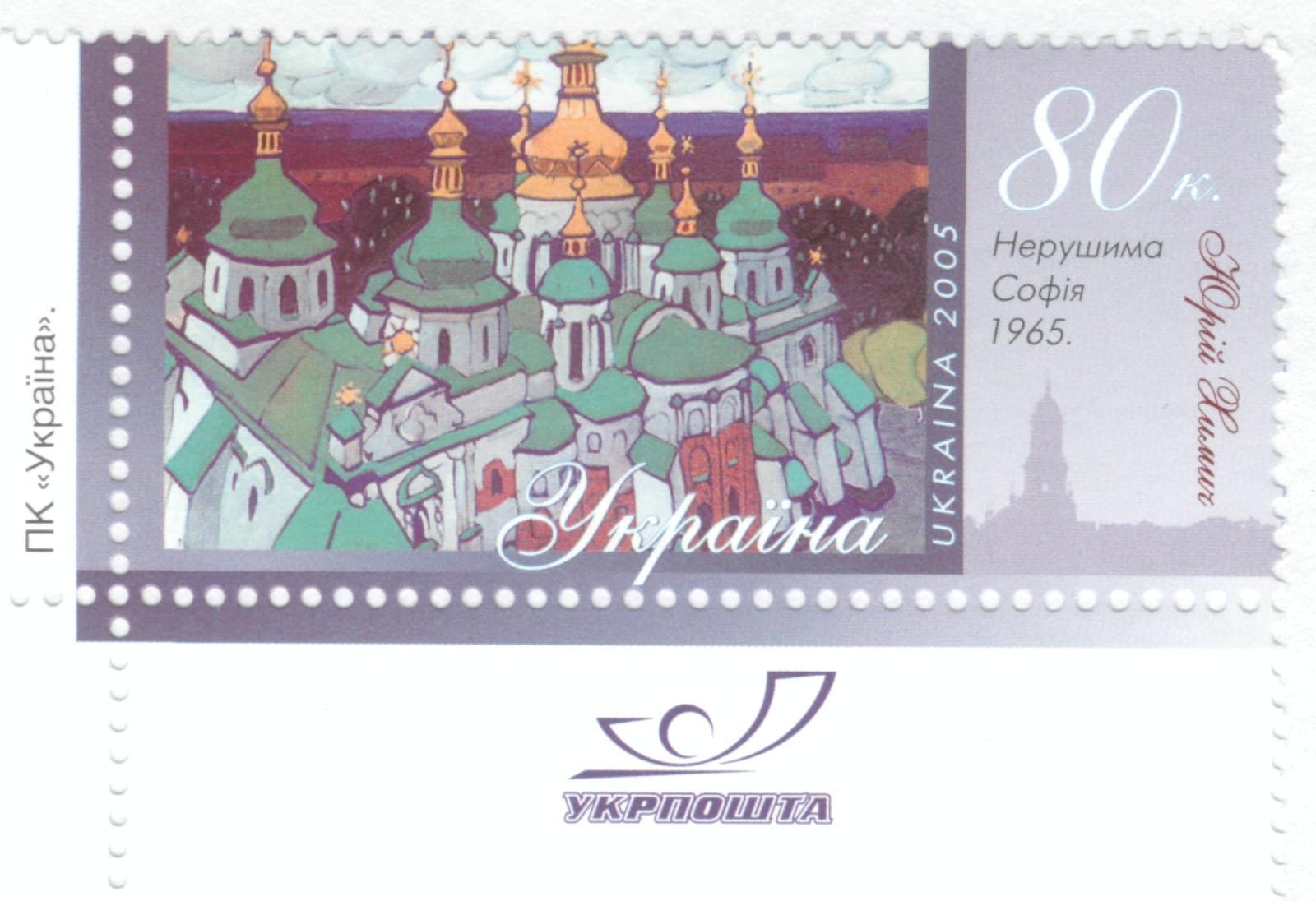
Yurii Khymych was a Ukrainian architect turned painter, the outstanding master of the architectural landscape in twentieth-century Ukrainian art. By the late 1950s he was regarded as one of the finest watercolourists in the USSR, before abruptly switching to gouache, the medium of most of his mature work. Trained as an architect and steeped in years of copying church frescoes and mosaics, he painted what he called 'portraits of buildings' — flattened, open-coloured, black-contoured images closer to icons than to conventional views.
View artist profile →Movements
Modernism
Modernism was a radical, early-to-mid-20th-century cultural movement that broke with traditional artistic, literary, and social forms to align with a rapidly industrializing world. Characterized by experimentation, abstraction, and individualism, it sought new modes of expression to address themes of alienation and social change following World War I.
Rejection of Tradition: Modernists rejected Victorian morality, academic art, and realistic depictions of subjects, seeking to "make it new".
Experimentation: A shift towards abstraction in art (e.g., Cubism) and new techniques in literature, such as stream of consciousness (e.g., Virginia Woolf, James Joyce).
Key Themes: Focused on subjectivity, alienation, the fragmentation of reality, and the quest for new meaning.
Architecture & Design: Marked by minimalism, functionalism, and the use of industrial materials, famously summarized by Le Corbusier’s "a building is a machine for living in".
Time Period: Roughly 1890s–1960s, emerging in Europe and America as a response to urbanization and technological advances.
Explore movement →