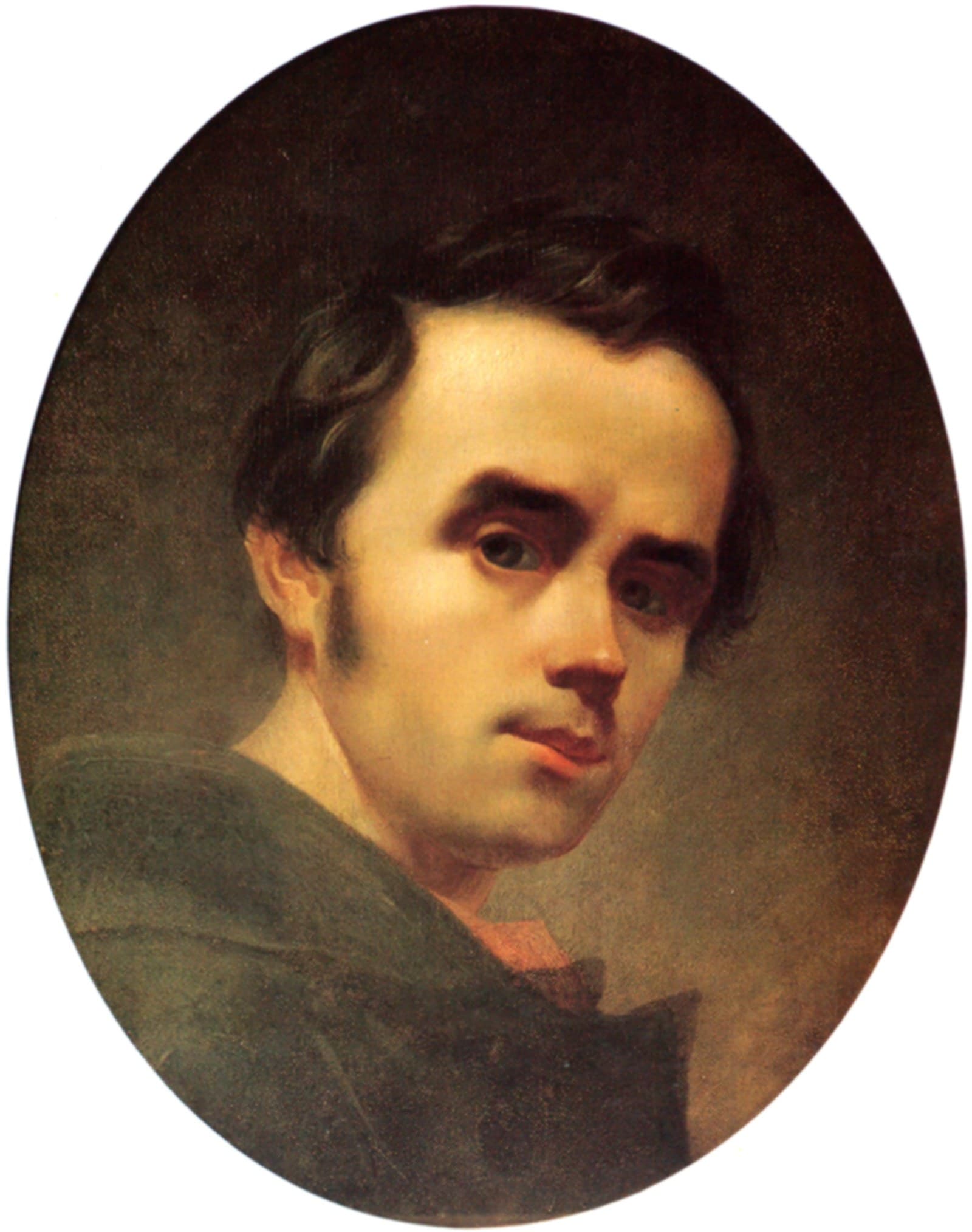
About the Artist
Volodymyr Orlovskyi
1842–1914
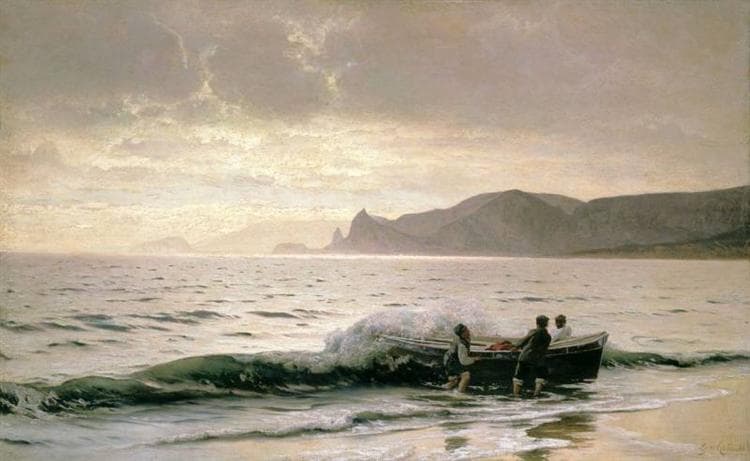
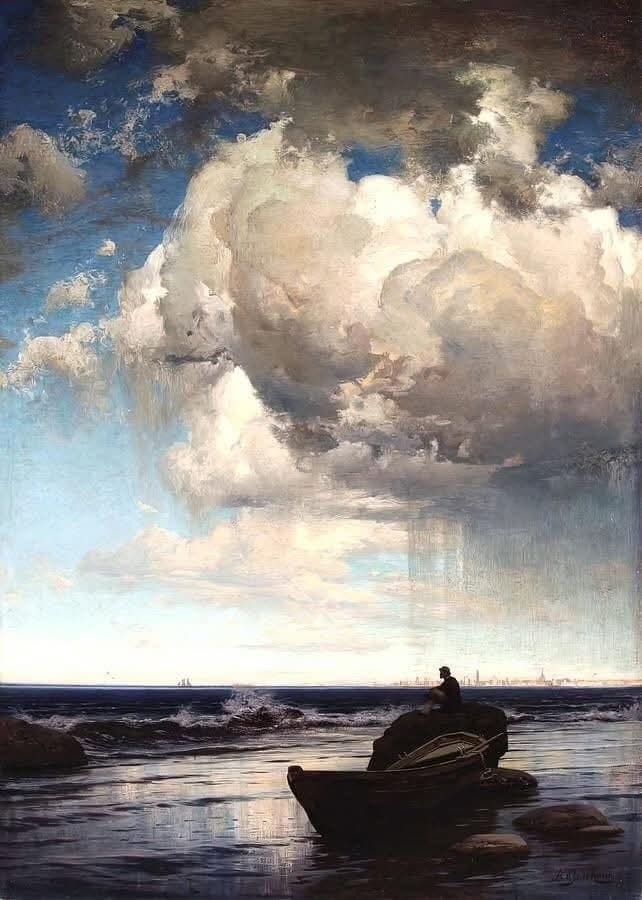
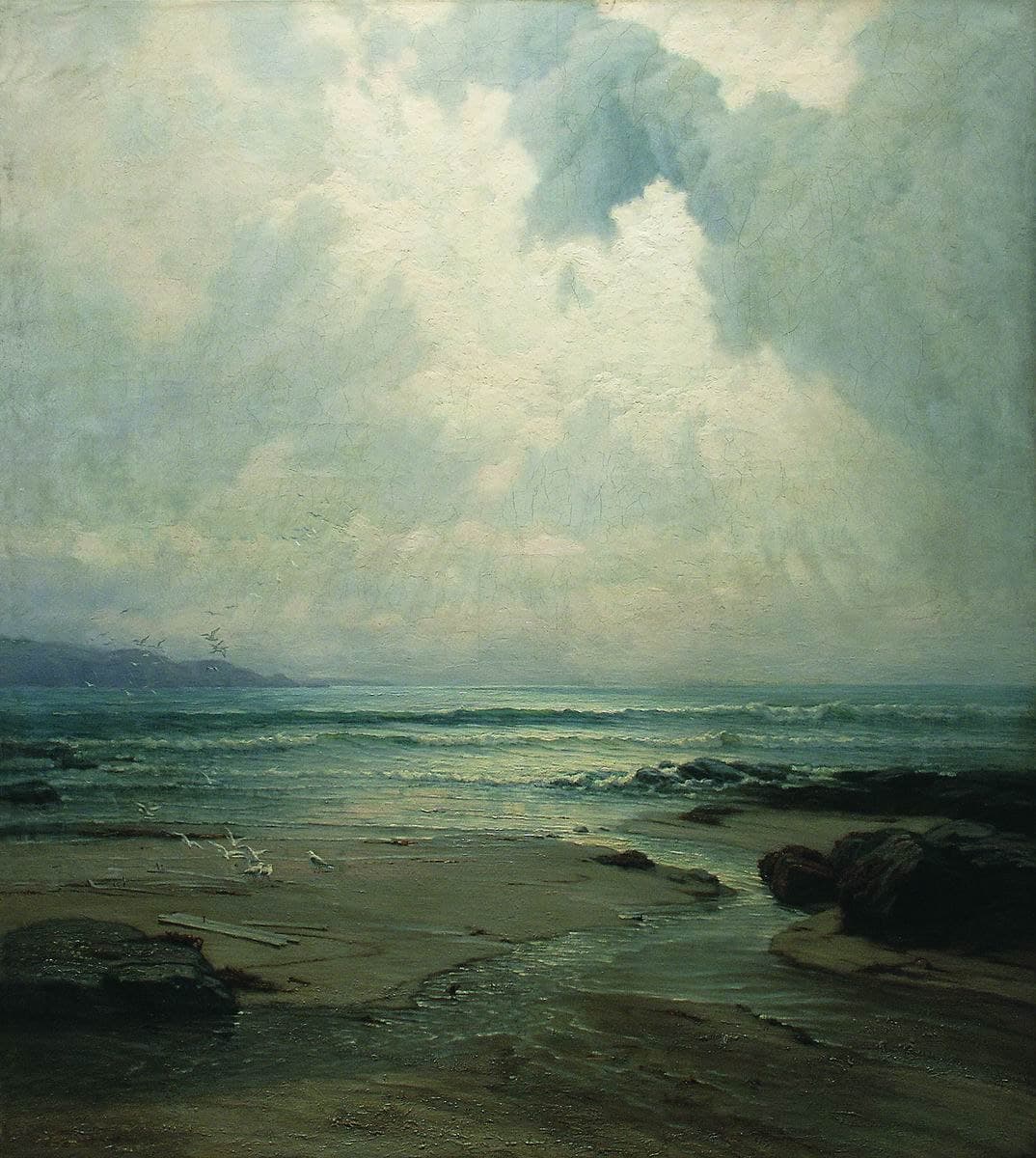
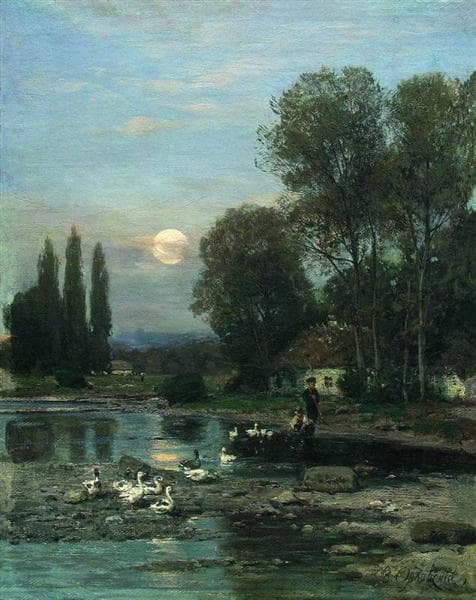
Volodymyr Orlovskyi was one of the most outstanding landscape painters of the second half of the 19th century. His contemporaries called him “a star of the first magnitude on a par with Aivazovskyi,” “a seeker of sunlight,” and “an incomparable celebrator of southern nature.”
View artist profile →Movement
Realism
Realism is an artistic movement that sought to depict reality as accurately and objectively as possible, holding that the purpose of art is to reflect all aspects of existence, rather than merely its idealized representation. The term was introduced by the French literary critic Jules Champfleury in the 1850s to denote art that opposed Romanticism and Academicism.
In the visual arts, the significance of Realism as a style is quite controversial, and its boundaries are undefined. In a narrower sense, realism is understood as positivism, a movement in the visual arts of the second half of the 19th century.
One of the first realists was the French artist Gustave Courbet (1819–1877), who opened his solo exhibition “The Pavilion of Realism” in Paris in 1855. Before him, artists of the Barbizon School—Théodore Rousseau, Jean-François Millet, and Jules Breton—worked in a realistic style. In the 1870s, realism split into two main movements: naturalism and impressionism.
In contemporary painting, realism borders on the grotesque and anti-glamour.
Explore movement →