About the Artist
Yevhen Hordiiets
1952
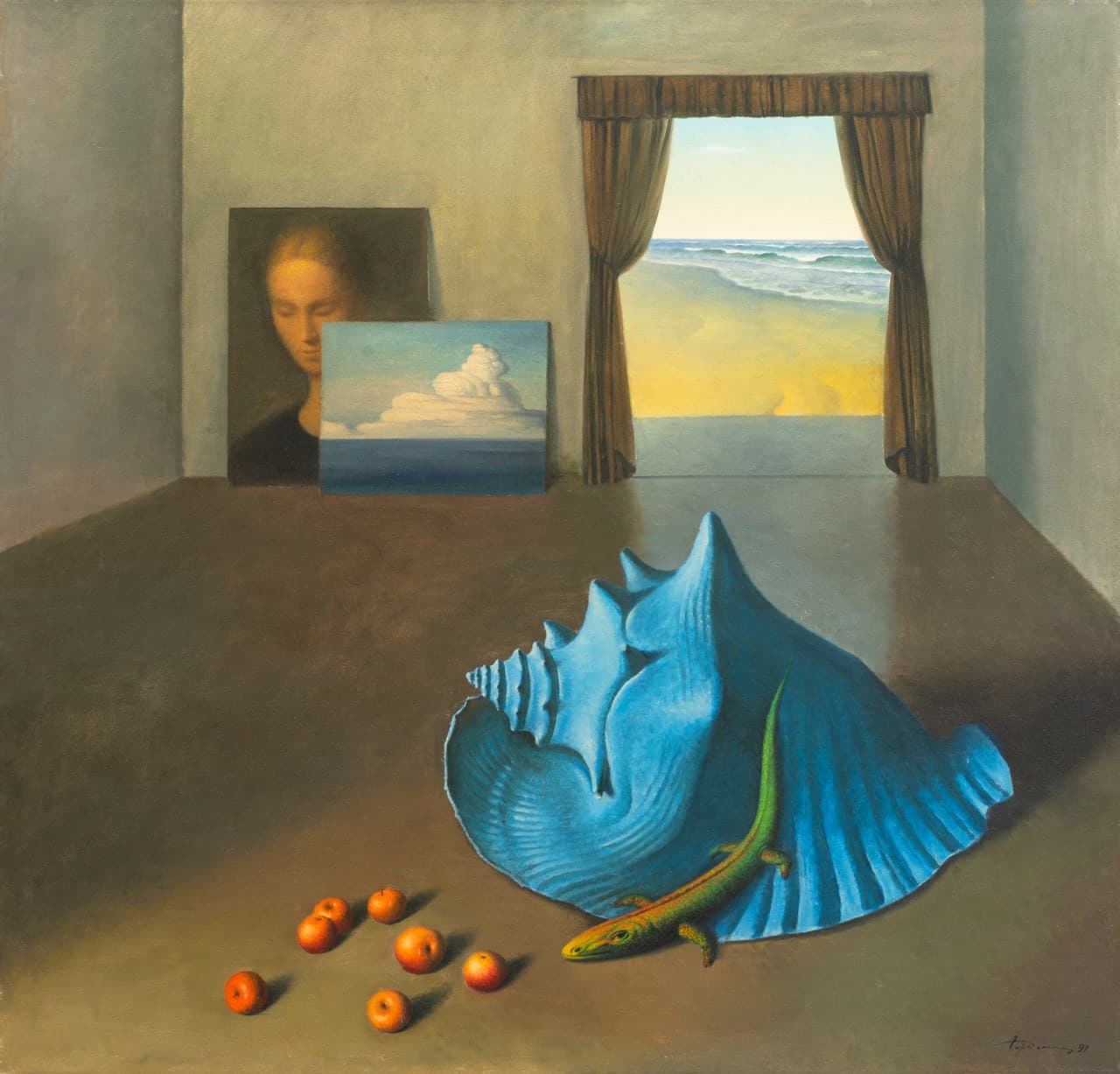
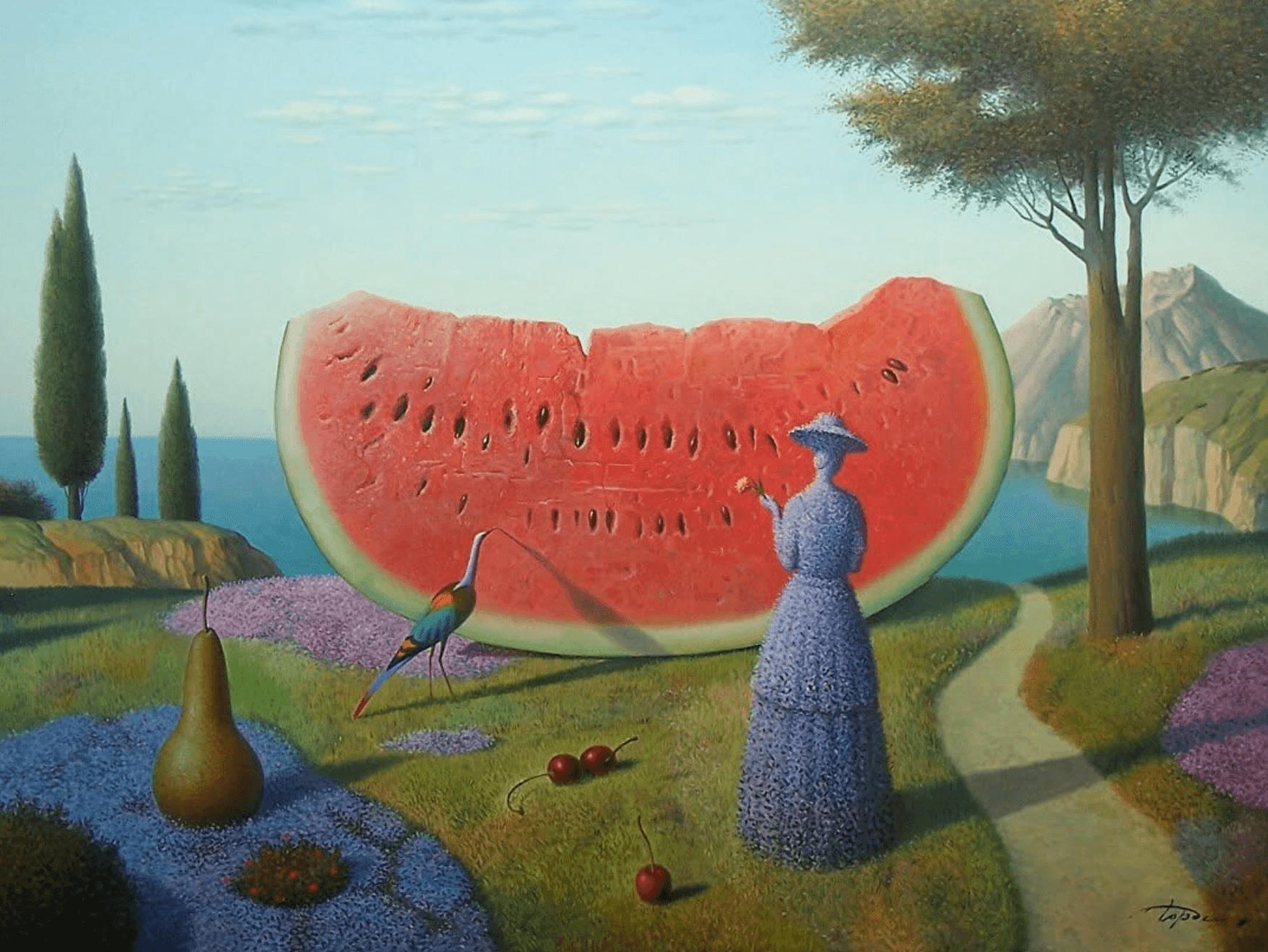
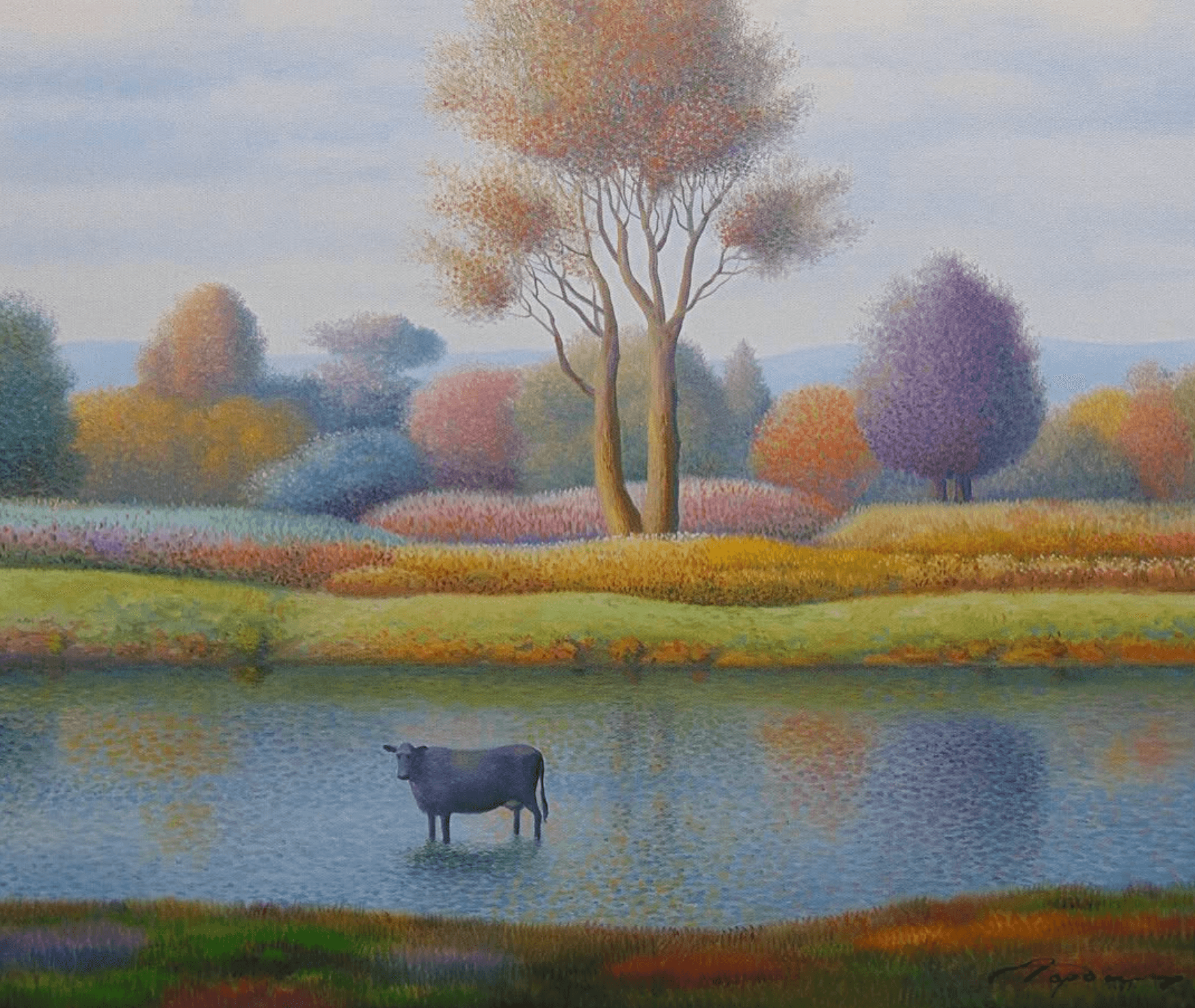
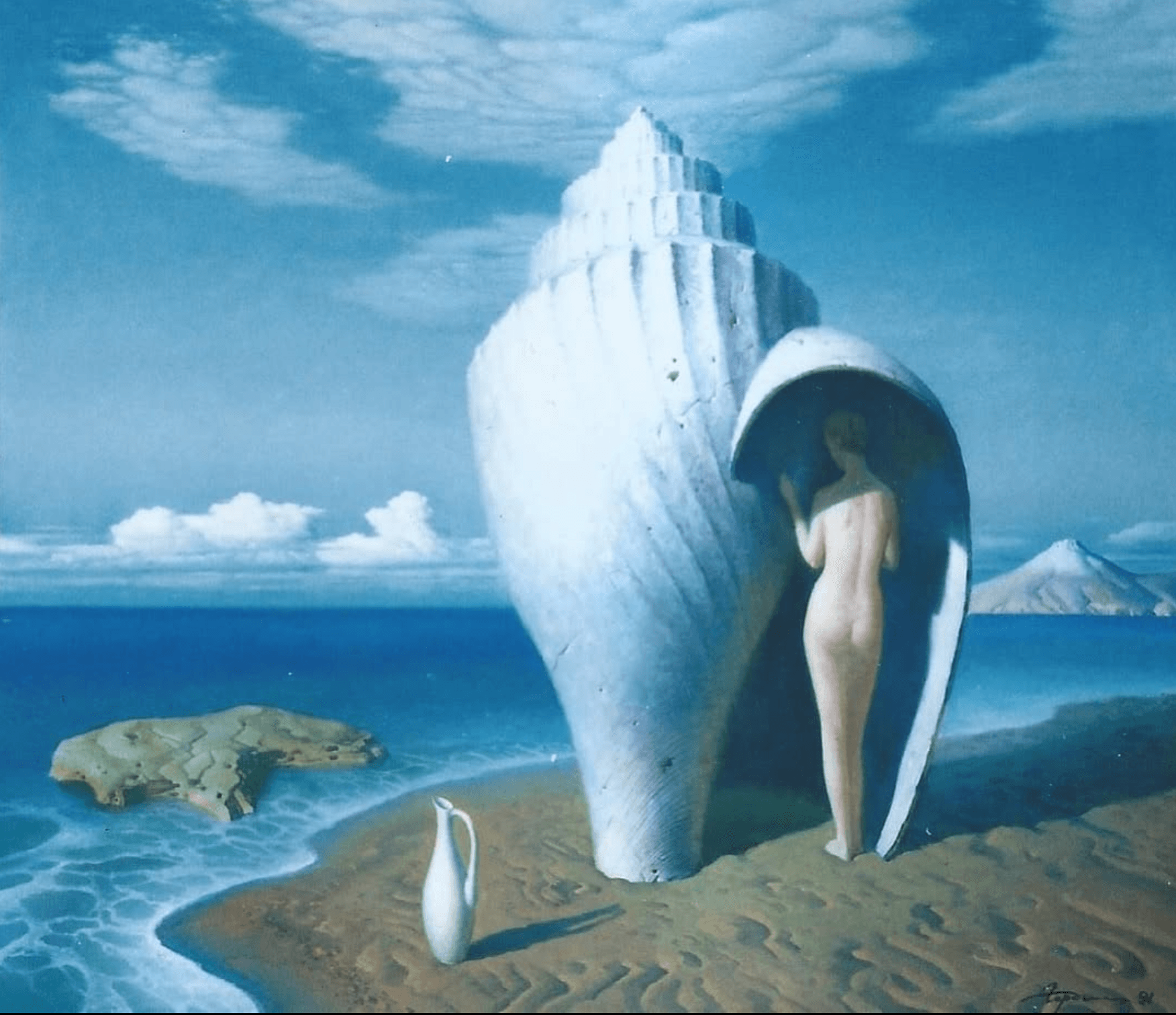
Yevhen Hordiiets is a Ukrainian surrealist artist. He was born in Makiivka, Donetsk Oblast. He graduated from the Kyiv State Art Institute (1971–1977), where he studied under O. Lopukhov; and the Creative Workshop of the USSR Academy of Arts in Kyiv (1978–1982), where his supervisor was S. Grigoriev. He worked at the “Artist” Creative and Production Association (1977–1991). Lecturer at the Kyiv State Art Institute (1977–1978). Member of the National Union of Artists of Ukraine (1979). Graduate student at the Creative Workshops of the Academy of Arts of the USSR in Kyiv (1978–1982). Participant in republican, all-Union, and international exhibitions (since 1977), including in Paris (1989), New York (1995), Scottsdale, and Nantucket (2001). First prize for his diploma work at the All-Union Diploma Exhibition in Vilnius (1977), First prize at the Republican Exhibition (Kyiv, 1982). Honored Artist of the Ukrainian SSR (1986). His works are held in the National Museum “Kyiv Art Gallery,” the Tretyakov Gallery in Moscow, the Cologne Museum of Modern Art, and others. Yevhen Hordiiets’ works have been sold at international auctions, and in 1990, one of his works graced the cover of a Christie’s catalog. He has lived in the United States since 1991.
View artist profile →Movements
Surrealism
Surrealism is a 20th-century avant-garde movement that sought to release the creative potential of the unconscious mind, blending dream-like imagery with rational absurdity. Founded by André Breton in Paris in 1924, it influenced literature, art, and film by using automatism and unexpected juxtapositions to challenge traditional reality.
Key Aspects of Surrealism:
Origin: Emerging from the Dada movement in the 1910s, it was officially established by André Breton’s Manifesto of Surrealism (1924).
Core Influences: Deeply influenced by Sigmund Freud’s theories on the unconscious mind and dreams, as well as Karl Marx’s political ideology.
Techniques: Artists used techniques like automatic drawing/writing, collage, and "exquisite corpse" games to bypass conscious thought and societal constraints.
Visual Styles: The movement included two main tendencies: highly detailed, realistic dreamscapes (e.g., Salvador Dalí) and abstract, organic, or suggestive imagery (e.g., Joan Miró).
Major Figures: Key artists include Salvador Dalí, René Magritte, Max Ernst, Joan Miró, Meret Oppenheim, and Dorothea Tanning.
Impact: Beyond visual arts, Surrealism was a global, interdisciplinary movement that impacted cinema, literature, and political thought.The movement aimed to resolve the contradictory conditions of dream and reality into an absolute reality, or "surreality".
Explore movement →